Glendale Chaos Exposes the Real Question: Who Pays When Accountability Disappears?
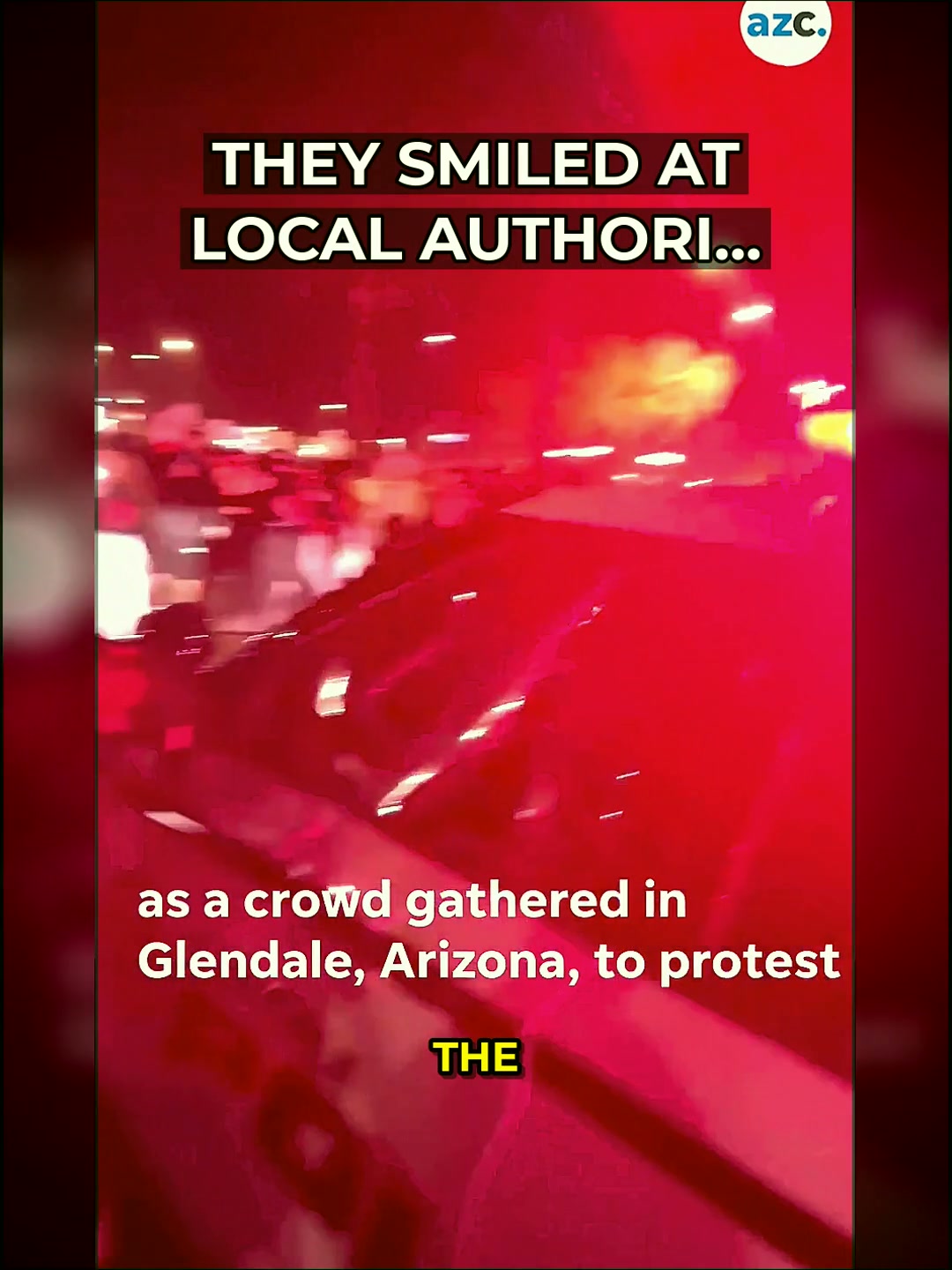
After vehicles were damaged during a heated demonstration in Arizona, ordinary residents are left wondering who answers for the destruction — and what justice actually looks like for those caught in the middle.
- Public property was damaged during a demonstration in Glendale, Arizona.
- Residents are asking who ultimately pays for the damage and how accountability is enforced.
- Victim rights and community resources matter more than ever when public order breaks down.
Imagine walking to your car after a long shift, only to find shattered glass scattered across the pavement and a public vehicle sitting mangled in the street. That is the scene that unfolded in Glendale, Arizona, where a demonstration spiraled into property damage that left local residents shaking their heads.
According to eyewitness accounts, demonstrators were seen striking and damaging vehicles, with windshields completely shattered. The chaos did not stay contained to a single block. It spilled into the daily lives of people who had nothing to do with the dispute.

The Cost of Chaos Lands on Everyday People
Here is the part nobody wants to talk about. When public property is damaged, the bill does not magically vanish. Taxpayers absorb it. Insurance premiums climb. And the workers who depend on those vehicles to do their jobs are left scrambling.
This is not about politics. It is about common sense. Destroying property is not a statement. It is a cost that gets passed down to families who are already stretched thin.
“You can disagree with a policy without putting your hands on someone else’s property. Once you cross that line, you own the consequences.”
The frustration among Glendale residents is palpable. Many say they support the right to speak out, but they draw a hard line at destruction. Respect for public property is not a political position. It is a basic civic duty.

What Justice Actually Looks Like After the Cameras Leave
Everyone focuses on the viral moment. Very few focus on what happens next. The real measure of a community is not how loud the chaos gets. It is how the system responds when the noise fades.
Victim rights advocates point out that people affected by property damage often struggle to get restitution. The legal process is slow. Paperwork piles up. And the people who caused the damage move on.
That is why community resources matter. Local victim assistance programs, small business relief funds, and municipal accountability offices exist precisely for moments like this. But they only work if people know about them and use them.

The Accountability Gap Nobody Wants to Admit
Here is the uncomfortable truth. When accountability breaks down, the consequences do not disappear. They just get redistributed to the wrong people.
The shop owner whose window gets broken. The city worker whose vehicle gets taken out of service. The taxpayer who foots the repair bill. These are the people who pay for someone else’s bad decision.
“Justice is not a slogan. It is a process. And right now, too many communities are watching that process fail the people who need it most.”
The legal process exists for a reason. It is not perfect. It is not fast. But it is the only mechanism that separates a functioning society from pure chaos.
For residents of Glendale, the question is simple. Will the system follow through? Or will this become another case where the damage gets absorbed, the headlines fade, and the people responsible walk away clean?
That answer is still being written. And thousands of ordinary Americans are watching closely, because they know it could be their street next.