She Cornered a Worker in Front of Children—And the Law May Be on His Side
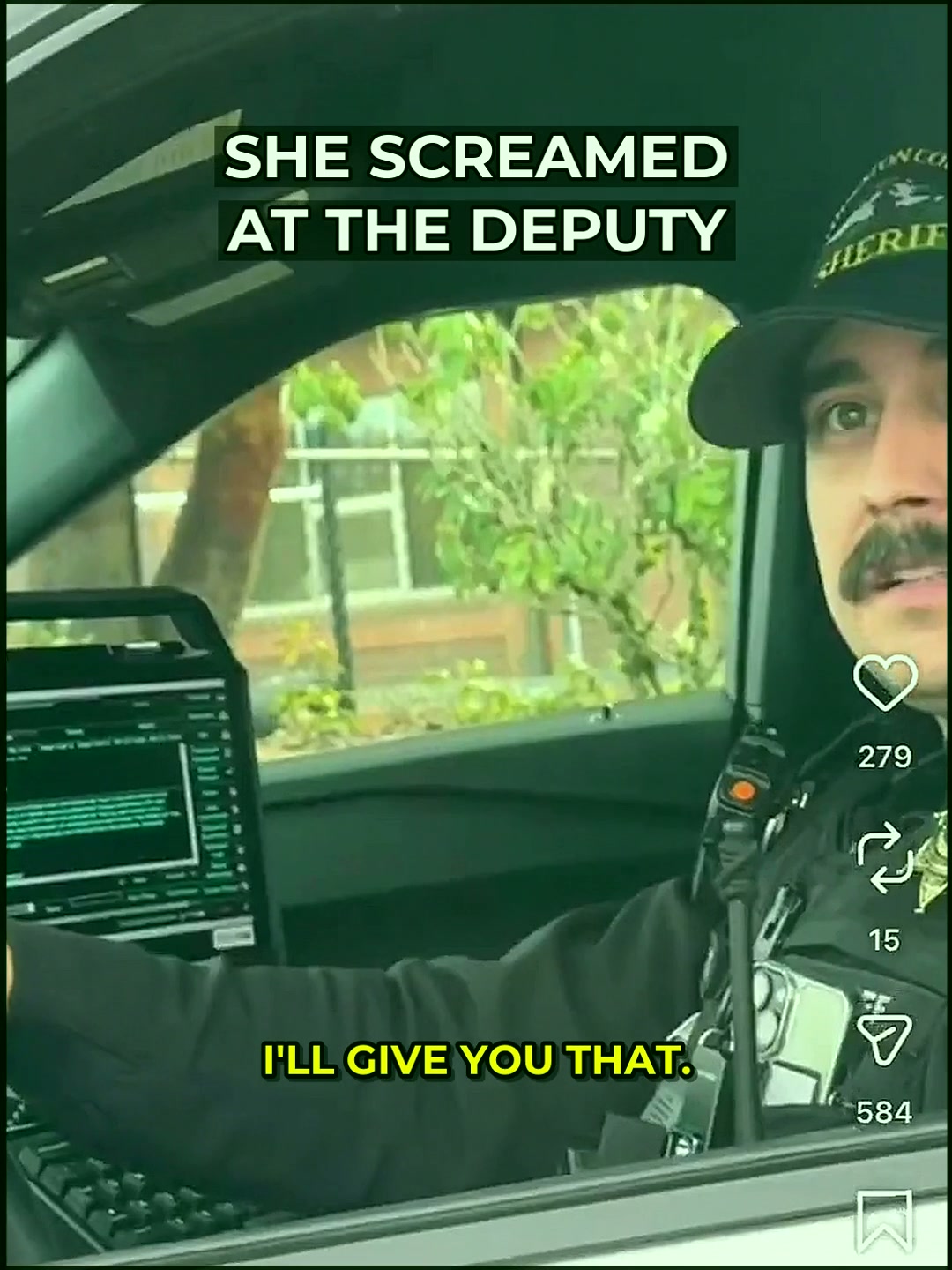
A routine morning at Seven Oaks Elementary turned into a public confrontation that raises uncomfortable questions about workplace respect, employer accountability, and the thin line between “concerned parent” and unlawful interference
- Workers performing lawful duties in public spaces face increasing harassment from civilians
- Employer policies and legal protections vary dramatically depending on jurisdiction and job classification
- Documentation and de-escalation training are becoming essential survival tools for frontline workers
Imagine showing up to work, doing the job you were assigned, and suddenly finding yourself accused of being the problem. That is exactly what happened in a school parking lot in Washington state, where a woman approached a sheriff’s deputy who was parked at Seven Oaks Elementary and demanded he leave.
Her reasoning? He was “scaring families” by simply being there.
What followed was a tense exchange captured on video—one that has since sparked intense debate about worker rights, public harassment, and what happens when civilians decide they have the authority to dictate where employees can and cannot do their jobs.

The Confrontation That Should Never Have Happened
The footage shows the woman demanding the deputy explain his presence. She tells him that if he is not “part of our community,” he should not be “lingering” at the school.
The deputy, maintaining composure, explains he is simply trying to finish his assigned task as quickly as possible so he can leave. He reminds her that she is using profanity in front of a school. He asks her to think about the children and the mothers nearby.
“I’m going to try to finish my job as fast as possible. Keep in mind that you are cussing. We are in front of a school.”
His response was measured. Professional. And according to employment law experts, exactly what workers are trained to do when confronted by hostile members of the public.
But here is the uncomfortable truth: not every worker has the same protections. Not every employee can afford to stay calm. And not every employer will stand behind their staff when a civilian decides to make someone’s job a living nightmare.

The Legal Precedent Every Worker Should Understand
This incident raises a critical question: what legal protections actually exist for workers who face harassment while performing their job duties in public spaces?
The answer is complicated—and often deeply unsatisfying for the average American worker.
Federal law, including Title VII of the Civil Rights Act, protects employees from harassment based on protected characteristics like race, gender, or religion. But general hostility from a random member of the public? That falls into a legal gray zone that leaves most workers with few options.
Some states have enacted broader protections. California, for example, requires employers to take reasonable steps to prevent workplace violence, which can include harassment from third parties. New York has similar provisions for certain industries.
But in many states, a worker who is screamed at, threatened, or falsely accused while doing their job has no legal recourse against the person harassing them—unless the conduct crosses into criminal territory.
“The law protects workers from their employers. It rarely protects them from the public.”
That gap is precisely why employer accountability matters more than ever.
When a worker is subjected to harassment on the job, the employer has a responsibility to provide a safe working environment. That includes training employees on de-escalation, establishing clear protocols for handling hostile interactions, and—critically—backing up workers when complaints arise.
Too often, that does not happen.

What This Means for the Average American Worker
If you work in retail, healthcare, education, public safety, or any job that puts you in contact with the public, you are a target. Not because you did anything wrong—but because some people believe they have the right to dictate how you do your job.
And when things go sideways, your employer’s response can make or break your career.
Experts recommend several steps for workers who find themselves in similar situations:
- Document everything—time, date, witnesses, and exact words spoken
- Report the incident to your supervisor immediately, in writing
- Request copies of your employer’s harassment and safety policies
- Know your state’s specific protections for workplace harassment from third parties
- Consider consulting an employment attorney if the harassment is ongoing or your employer fails to act
But here is the reality that keeps labor attorneys up at night: most workers never report. They fear retaliation. They fear being labeled a problem. They fear losing the paycheck that keeps their family afloat.
That fear is exactly what allows employer overreach and public harassment to continue unchecked.
The deputy in this case handled the situation with remarkable restraint. He kept his composure. He finished his task. He left.
But not every worker has that training. Not every worker has that support. And not every employer will have their back when the cameras stop rolling.
The woman walked away. The deputy finished his shift. But the question remains: when the next worker is cornered, accused, and harassed simply for doing their job—who will stand up for them?
Right now, the answer is: probably no one.