The Liverpool Street Where Ordinary Voices Found Their Moment
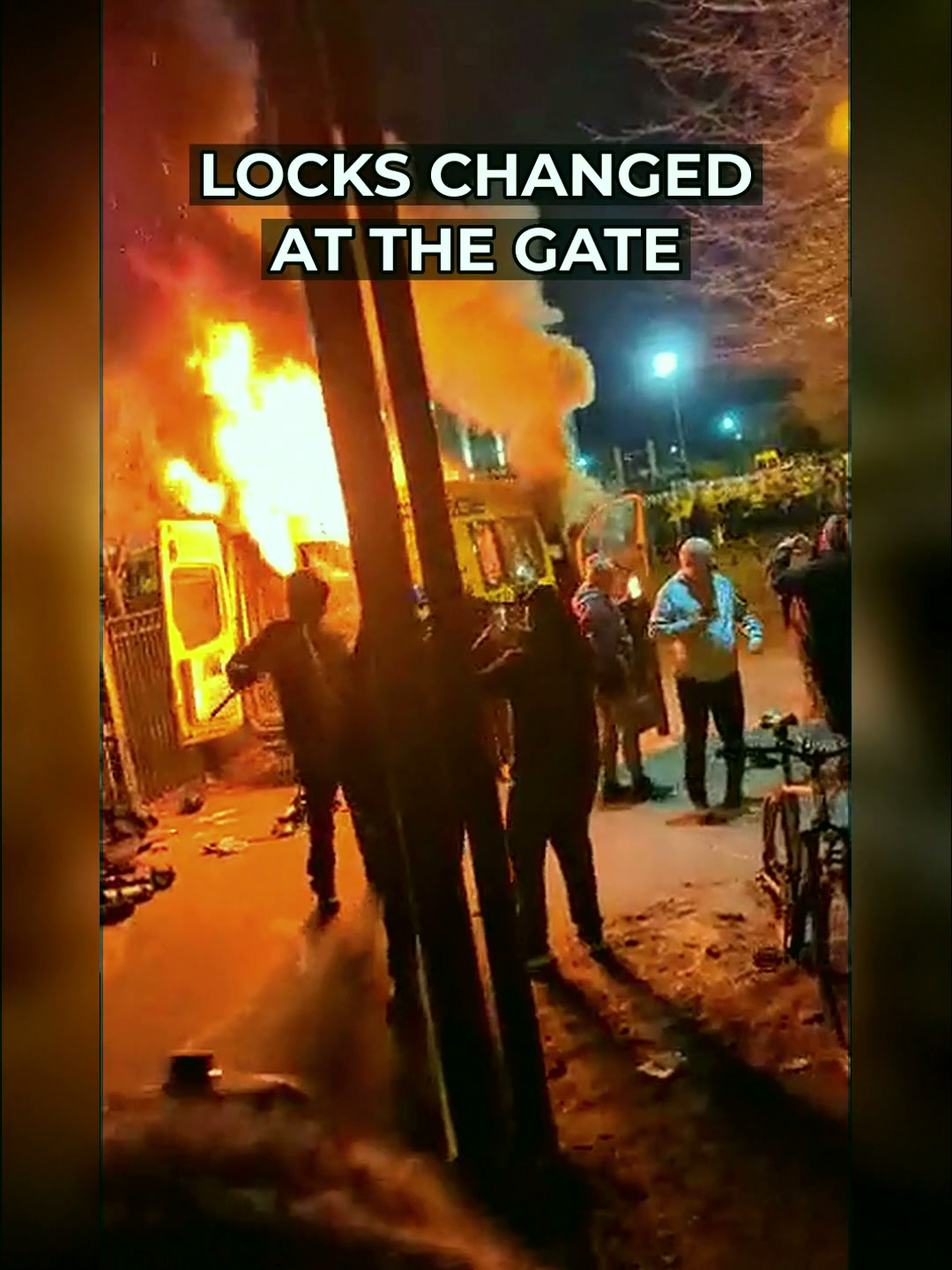
Outside an asylum centre in Merseyside, a community gathered not in anger, but in the quiet determination of people who feel unheard
- Residents in Liverpool gathered outside an asylum centre to express concerns about rapid demographic change in their community.
- The demonstration reflects a growing national conversation about how migration policy affects everyday neighborhoods.
- The story is not about division but about people who feel their voices are being overlooked in decisions that shape their daily lives.
It started quietly. A few neighbors, then a few dozen, then a street full of people who had simply had enough of watching their community change without being asked. Outside an asylum centre in Liverpool, local residents gathered in what became one of the most talked-about moments in Merseyside this year.
This was not a scene of chaos. It was a scene of ordinary people, many of whom had lived in the same postcode for decades, standing together to say something that had been building for months. They were not there to cause harm. They were there to be seen.
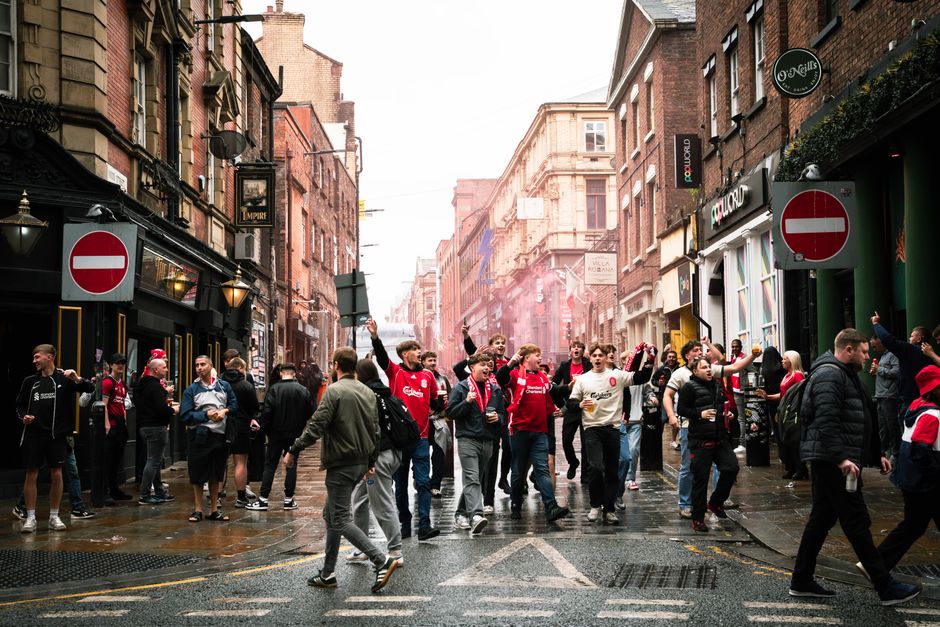
The backdrop is a national conversation that has been simmering for years. The route through Dover has become a symbol of a system that many feel has lost touch with the people it is supposed to serve. For residents in Merseyside, the arrival of new people into their neighborhoods is not an abstract policy debate. It is a reality they live with every single day.
“We are not against people. We are against a system that never asked us what we think.”
The Human Story Behind the Headlines
What often gets lost in these moments is the humanity on both sides. The residents who gathered are not caricatures. They are parents, retirees, shopkeepers, and neighbors who feel their concerns have been dismissed as something ugly rather than something legitimate.
They worry about schools that are stretched thin. They worry about housing waiting lists that never seem to move. They worry about a way of life that feels like it is slipping away, not because of any single event, but because of a thousand small changes that no one ever asked them about.

At the same time, the people arriving in these communities are themselves navigating a system that is often slow, confusing, and impersonal. The tension is not between neighbors. It is between a policy framework that has failed to bring people together and the reality of daily life in towns that were never prepared for rapid change.
What This Moment Says About Community
There is something powerful about people who show up. Not online. Not in a comment section. But in person, on a cold street, because they believe their voice still matters. That is not something to be dismissed. It is something to be understood.
The residents of Liverpool did not create this moment in a vacuum. They responded to years of feeling ignored. And when people feel ignored for long enough, they eventually find a way to make themselves heard.

What happens next is uncertain. The conversation is not going away. If anything, it is only getting louder. And the people who gathered outside that asylum centre in Liverpool are a reminder that behind every policy decision, there are real streets, real families, and real lives that are being reshaped.
They came with signs. They came with questions. And they came because they believed that in a democracy, the people who live in a place should have a say in what happens to it.
“This is not about left or right. This is about whether ordinary people still have a voice in the decisions that shape their own neighborhoods.”
The street is quiet again now. But the feeling that brought those people together has not gone anywhere. It is waiting. And it is growing.