The Implant in an 11-Year-Old’s Arm: Inside the Medical Consent Battle Rocking American Families
A physician told a child she was in the “perfect place” to begin puberty blockers. Now parents across the country are asking one terrifying question: who actually protects our kids?
- An 11-year-old named Josie received puberty blockers through an arm implant.
- The treating physician described the moment as the “perfect place” to begin treatment.
- The case raises urgent questions about parental rights, informed consent, and who answers when a child cannot consent.
- American families are now navigating a medical landscape where the guardrails are anything but clear.
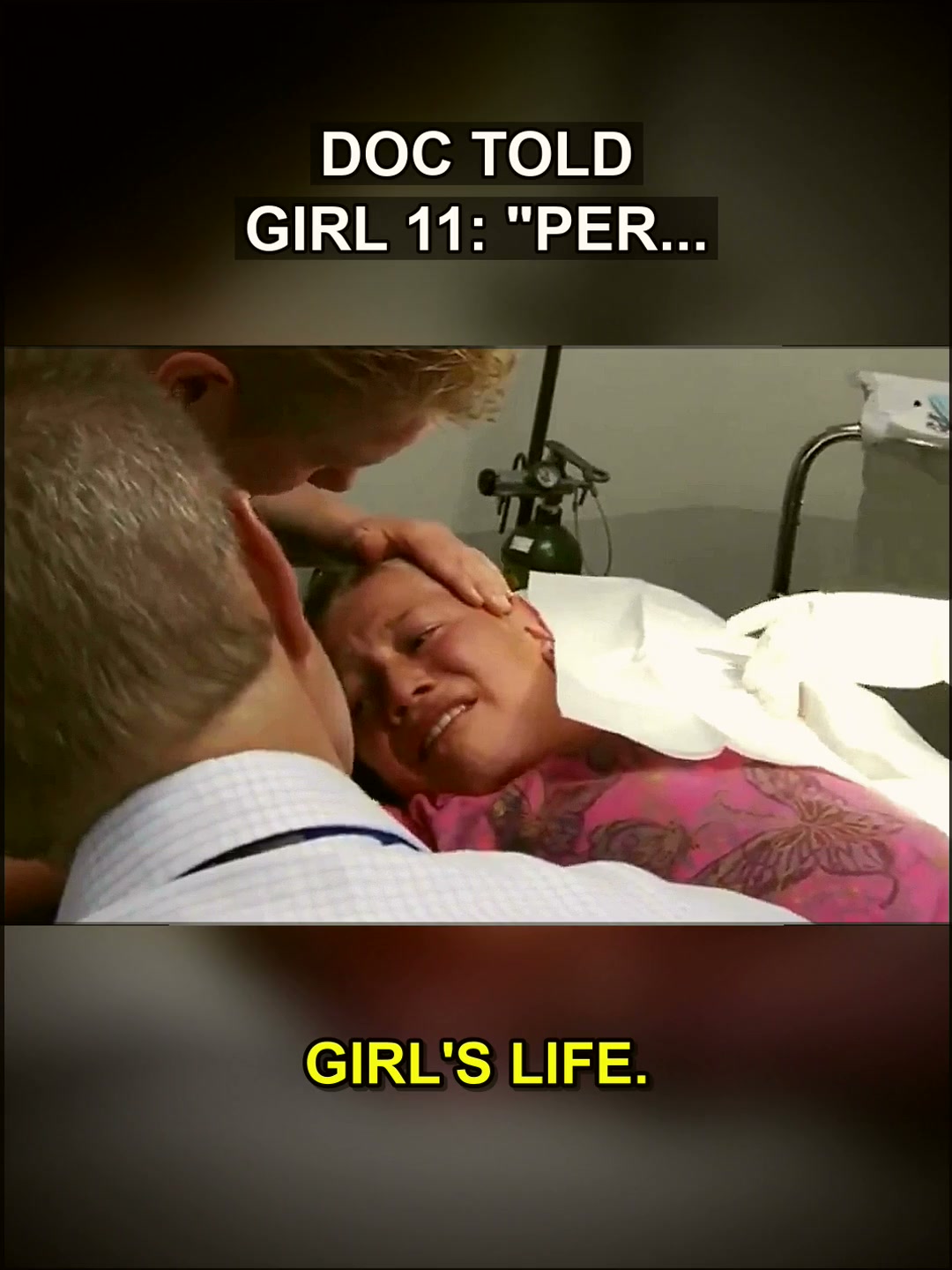
An 11-year-old girl sat in a clinic while a device was placed beneath the skin of her arm. The procedure was quiet. Clinical. Routine, according to the people who performed it.
Then came the words that have since ignited a firestorm: the doctor told the child she was in the “perfect place” to begin.
Josie is not a fictional case study. She is a real child. And the decision made in that room is now the center of a national fight over who gets to decide what happens to a minor’s body.

The Words That Started the Fire
According to the account of the procedure, Josie “held on tight” as the implant was inserted. The language used to describe the moment was almost ceremonial — a “new chapter” opening in a young girl’s life.
The physician reportedly reflected that just twenty years ago, this would not have been possible. The child would have gone through male puberty instead.
That single sentence tells you everything about how fast the medical landscape has shifted. Two decades ago, this treatment for an 11-year-old would have been unthinkable. Today, it is being framed as a milestone.
“A lot of times it strikes me that had this happened just 20 years ago, I wouldn’t have been able to give her blockers.”
Read that again. The physician is not describing a cure. The physician is describing a window of access that did not exist for previous generations.
The Consent Problem Nobody Wants to Name
Here is the question that cuts through every talking point: can an 11-year-old consent to a medical intervention she cannot possibly understand?
The answer, under American law, is no. Minors cannot sign contracts. They cannot vote. They cannot legally purchase medication. Yet in this case, a child was given a hormonal implant that will alter the trajectory of her development.
That decision required adult authorization. The question is whose — and whether that adult was given the full picture.

The Legal Precedent Every Parent Should Understand
American law has long recognized that parents hold the primary authority over a minor’s medical care. That principle is not political. It is foundational.
When a physician frames a child as being in the “perfect place” for a life-altering intervention, the legal system is supposed to ask a hard question: was the consent truly informed?
Informed consent requires that the patient — or the guardian acting on their behalf — understands the risks, the alternatives, and the unknowns. When the unknowns are this significant, the standard of care becomes a minefield.
“The child was told she was in the perfect place. The parents were told to trust the process. Nobody was told what happens in twenty years.”
Several states have moved to restrict these interventions for minors. Others have expanded access. The result is a patchwork where a child’s options depend entirely on a zip code.
That is not a healthcare system. That is a lottery.

What Accountability Actually Looks Like
Parents across the country are waking up to a simple, uncomfortable truth: the medical establishment does not always police itself.
When outcomes go wrong — when a child later regrets a decision made at 11 — there is no automatic remedy. Lawsuits are expensive. Medical boards move slowly. And the physician who said “perfect place” has already moved on to the next patient.
The question is no longer whether this happened. It did. The question is whether the adults who allowed it will ever be held to account.
Josie held on tight. She had no idea what she was holding on to. The doctor called it bravery. The parents called it care. The rest of us are left staring at a photograph of an 11-year-old with a device in her arm, wondering when the bill comes due — and who will be forced to pay it.