Accountability After the Camera Stops: What Justice Looks Like for Families After a Viral Domestic Incident
When a private moment becomes public evidence, the real question isn’t what happened on camera — it’s what happens next
- A recording out of Florida has put a former professional athlete back in the national spotlight.
- Victim advocates say the aftermath — not the footage — is where accountability is actually decided.
- Resources exist for families in crisis, but most people never learn about them until it’s too late.
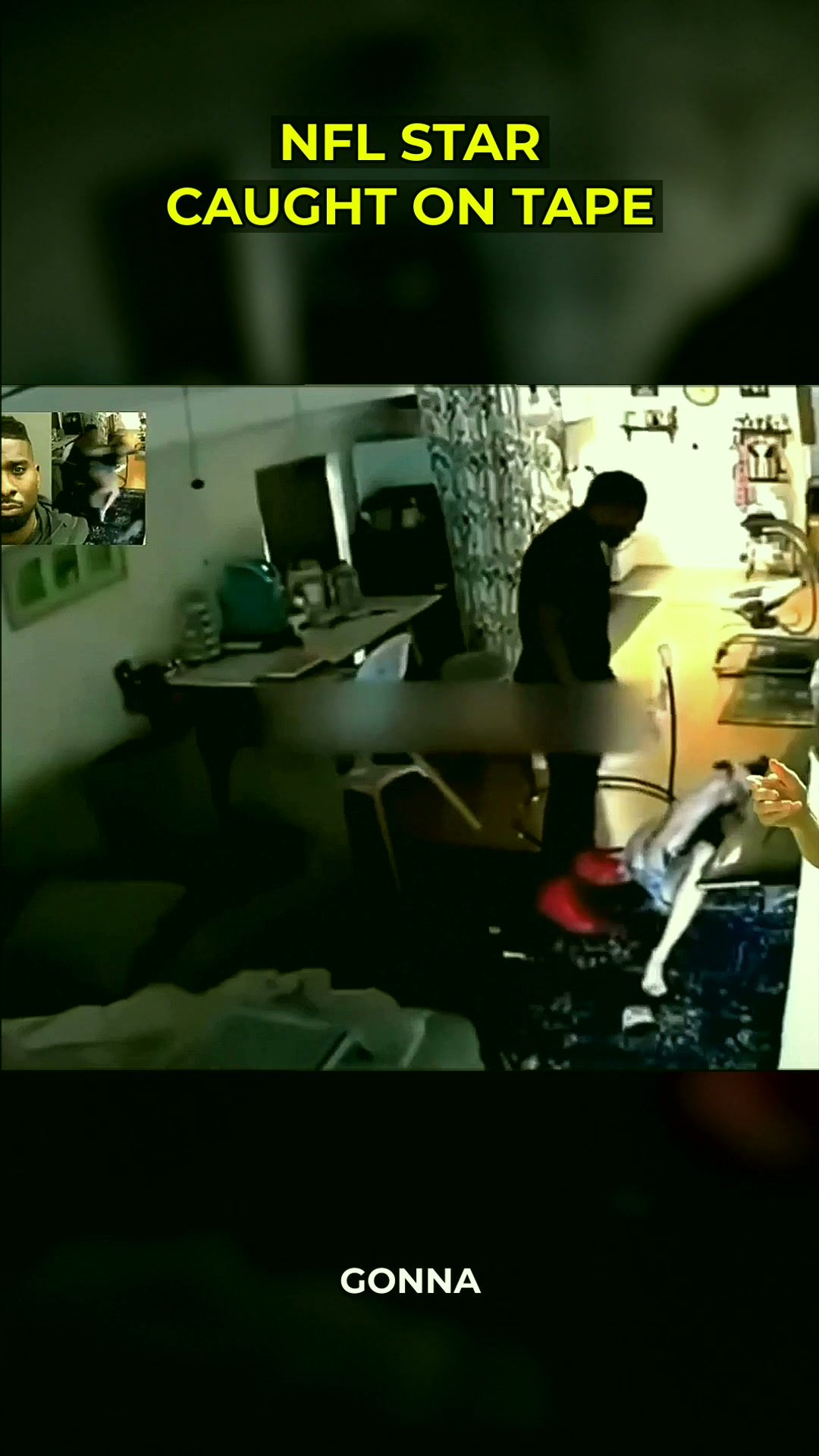
Imagine a phone propped against a counter. A voice in the background, small and shaking. A child’s cry somewhere off-camera. That is the scene a Florida recording captured — and it is the scene thousands of American families live through every single day without anyone ever pressing record.
The man in the footage is Zac Stacy, a former NFL running back. The setting is a Florida home. The details beyond that are still unfolding, but the emotional math is not complicated: a family, an infant, and a moment that cannot be taken back.

Why the Footage Is Only the Beginning
Here is what most people misunderstand about cases like this. The video is not the story. The video is the door. What matters is what walks through it — the legal process, the protective orders, the custody questions, the long, unglamorous work of rebuilding a household.
And that work almost never goes viral.
“The camera catches ten seconds. The court system takes ten months. That gap is where families get lost.”
Victim advocates have said this for years: accountability is not a single headline. It is a sequence — a report, a filing, a hearing, a follow-through. Skip any step and the whole thing collapses.

The Legal Precedent Nobody Talks About
High-profile cases involving public figures tend to move through a predictable arc. First comes the footage. Then comes the statement. Then comes the quiet procedural phase — protective orders, no-contact provisions, and in many jurisdictions, mandatory review of any children in the home.
Florida courts treat incidents involving minors in the household with heightened scrutiny. That means the paperwork does not stop at the person named in the recording. It extends to custody arrangements, supervised visitation schedules, and in some cases, state-level oversight of the family’s living situation.
For the public, this is the boring part. For the family, it is the only part that matters.

What Community Accountability Actually Looks Like
Community accountability is not a hashtag. It is a neighbor who offers to watch the kids so a mother can make a court date. It is an employer who does not ask questions when someone needs a personal day. It is a local organization that answers the phone at 2 a.m.
It is also, frankly, the willingness of ordinary people to stop treating these stories as entertainment. The footage circulates. The outrage spikes. Then the algorithm moves on — and the family is still there, in the same house, with the same case number.
“Justice is not what happens to him. Justice is what happens to her — six months from now, when nobody is watching.”
That is the uncomfortable truth sitting underneath every viral case. The system will do what the system does. The question is whether the people around the family will still be there when the cameras are long gone.
Because the recording ends. The hearing gets scheduled. The docket gets updated. And somewhere in Florida, a mother is still figuring out what tomorrow looks like — with or without anyone’s attention.