The Dog Who Waited: A Skid Row Rescue, and the Quiet Heroes Refusing to Look Away
In a neighborhood where survival is a daily negotiation, the bond between people and their animals has become both a lifeline and a liability — and one small act of kindness is sparking a bigger conversation about community, compassion, and who gets left behind.
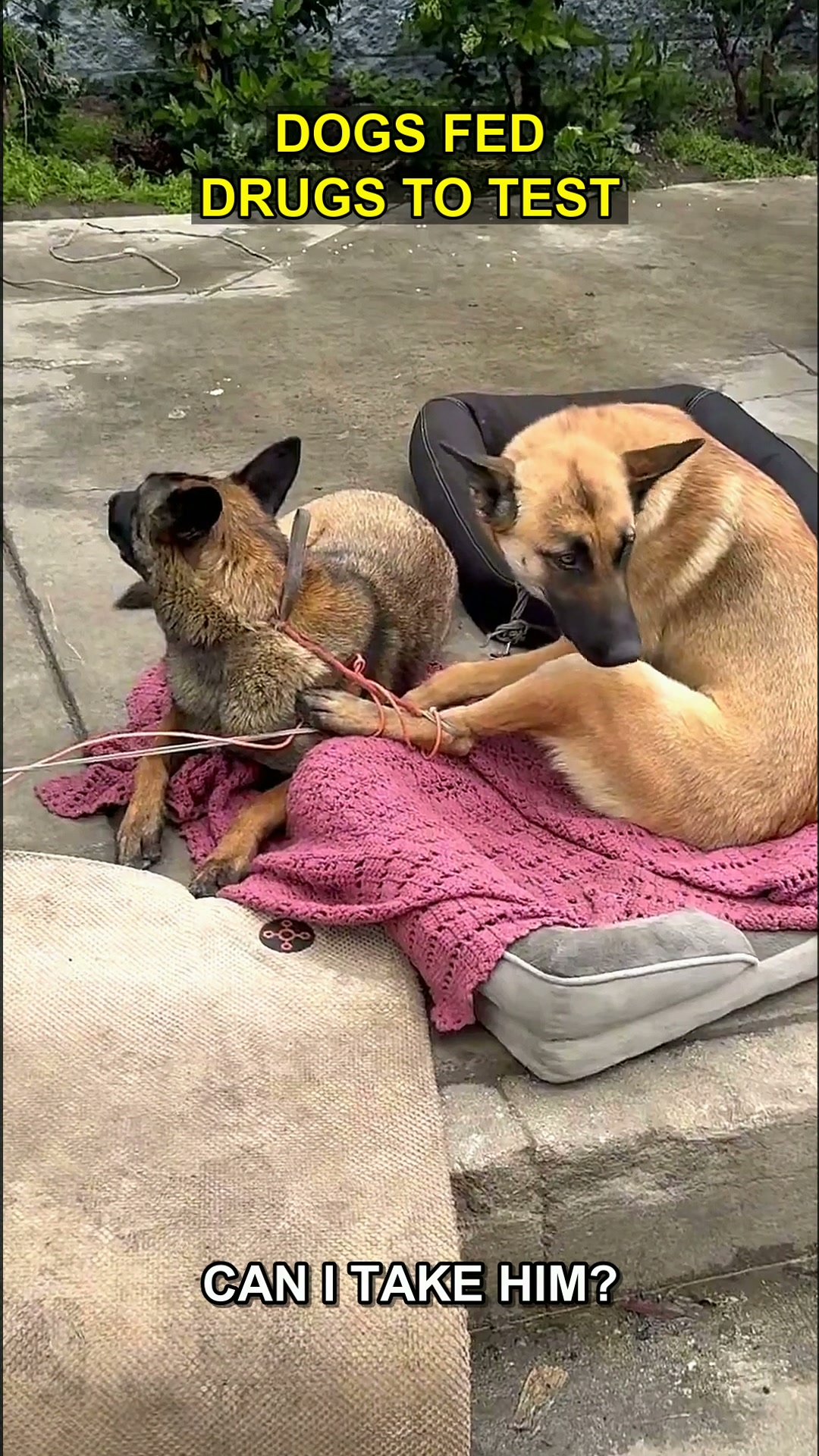
- Animal advocates report that dogs in Skid Row are being used to test illicit substances for fentanyl contamination.
- Nonprofit group Starts With One Today says animals are being neglected, discarded, and traded in exchange for drugs.
- A single rescue moment — one person asking “Can I take him?” — shows how community action can interrupt a cycle of neglect.
It starts with a question no one wants to ask out loud. “Can I take him?” A simple phrase, spoken on a sidewalk in Los Angeles, that carries the weight of an entire neighborhood’s unspoken crisis.
On Skid Row, the line between survival and cruelty has blurred in ways that animal advocates say are reaching a breaking point. Dogs — loyal, trusting, defenseless — are being used to test drugs for fentanyl contamination. If the dog survives, the substance is considered safe enough to use.
That reality, documented by the nonprofit group Starts With One Today, is not a distant statistic. It is happening on the same streets where people push shopping carts, where tents line the pavement, and where a dog with an injured leg can still wag its tail at a stranger.

The Bond That Keeps Them Going
For many people living on the street, a dog is not a pet. It is family. It is the reason they wake up. It is the only creature that has never abandoned them.
That bond is exactly what makes the exploitation so gut-wrenching. The same loyalty that gives a person purpose is being weaponized against the animal. Advocates describe dogs being neglected, thrown away, sold for drugs, and deliberately fed substances to test for fentanyl.
“It’s okay, buddy. Look at his leg.”
Those words, captured in a moment of rescue, tell a story that statistics cannot. A person noticed a dog in distress. They asked to help. They sat down on the pavement and offered comfort to an animal that had no way to ask for it.
That is the human story underneath the headlines. Not just the cruelty — but the community members who refuse to walk past it.
What Makes a Community
The rescue moment on Skid Row did not require a badge, a budget, or a camera crew. It required one person to stop, kneel down, and ask a question.
That is what community looks like in its rawest form. Not a government program. Not a policy paper. A neighbor — even a stranger — deciding that a dog’s suffering mattered enough to interrupt their own day.
Advocates say the bigger challenge is that these moments are rare. The cycle of neglect continues because the people exploiting these animals are often trapped in their own survival crisis. The dog is not the only victim. The person using the dog is often desperate, addicted, and out of options.
“I’ll take care of him.”
That promise, made on a sidewalk, is the kind of thing that does not make headlines. But it is the reason some dogs make it off the street. It is the reason a community keeps its humanity intact even when everything around it suggests otherwise.

The Reality That Remains
The dogs of Skid Row are not abstract symbols. They are living creatures with broken legs, empty stomachs, and eyes that still look up with trust.
And the people who exploit them are not monsters in a movie. They are human beings caught in a system that offers few exits and even fewer second chances.
That is the uncomfortable truth. The story does not end with a rescue. It does not end with a happy adoption photo. It ends with a question that too many people are still afraid to ask.
Who is going to stop next time?
Because the dogs will keep waiting. And the community — the real one, the one that kneels down on the pavement — will keep showing up, one small act at a time.