Newport Beach Meltdown: When Chaos Hits the Streets, Workers Pay the Price
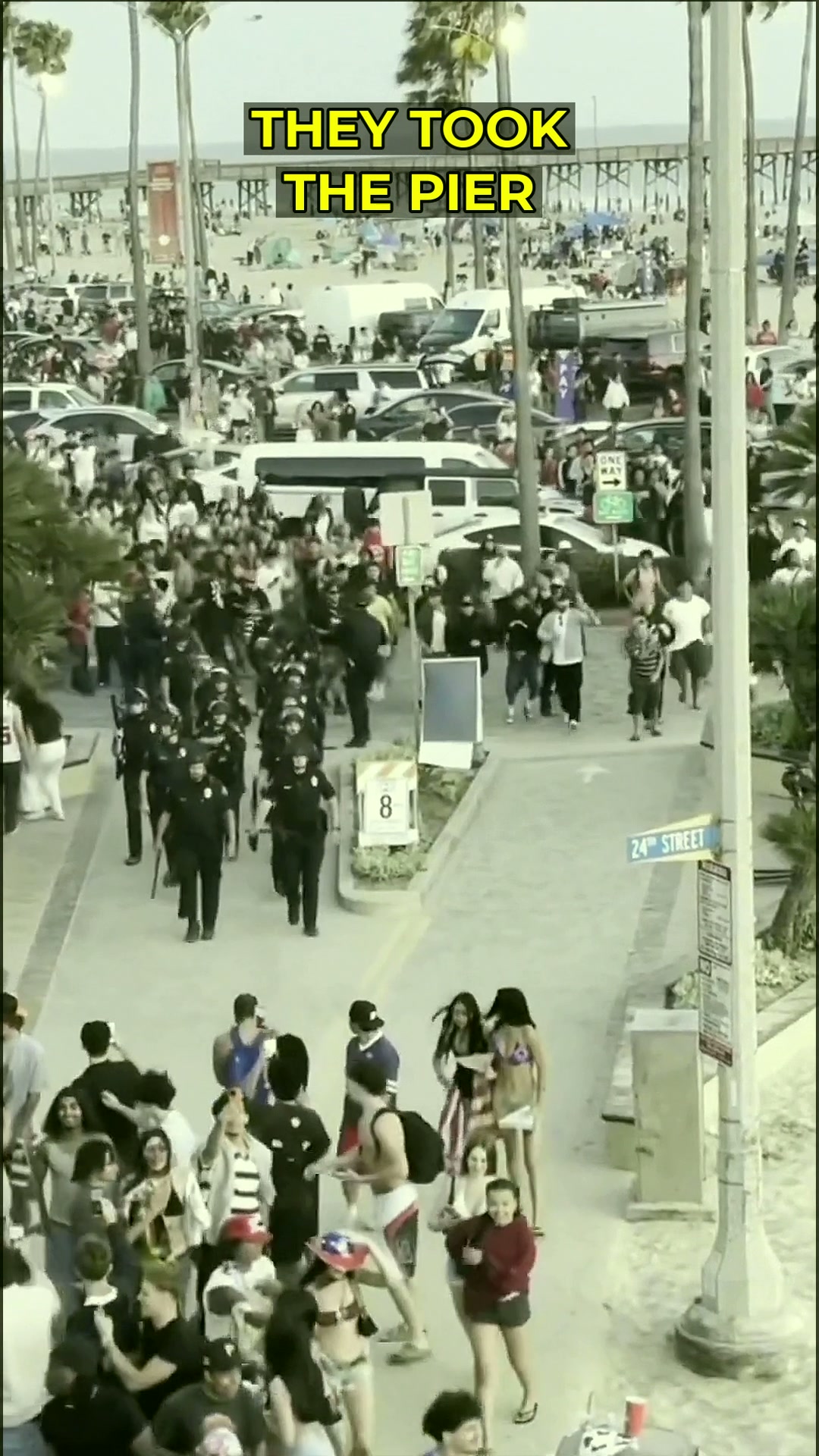
Businesses shuttered from Newport Pier to Pacific Coast Highway as crowds overwhelmed local authorities—and the employees caught in the middle had zero protection
- Businesses along Newport Beach were forced to close as crowds overwhelmed local authorities on July 4th
- Workers scheduled for holiday shifts were left exposed with no clear safety protocols or evacuation plans
- Employment law experts say employers have a legal duty to provide safe working conditions—even during civil unrest
- Most hourly workers have no legal protection against being forced to stay during dangerous situations
Imagine clocking in for your holiday shift, apron tied, register ready—only to watch hundreds of people swarm the streets outside your workplace. No warning. No evacuation order. Just chaos.
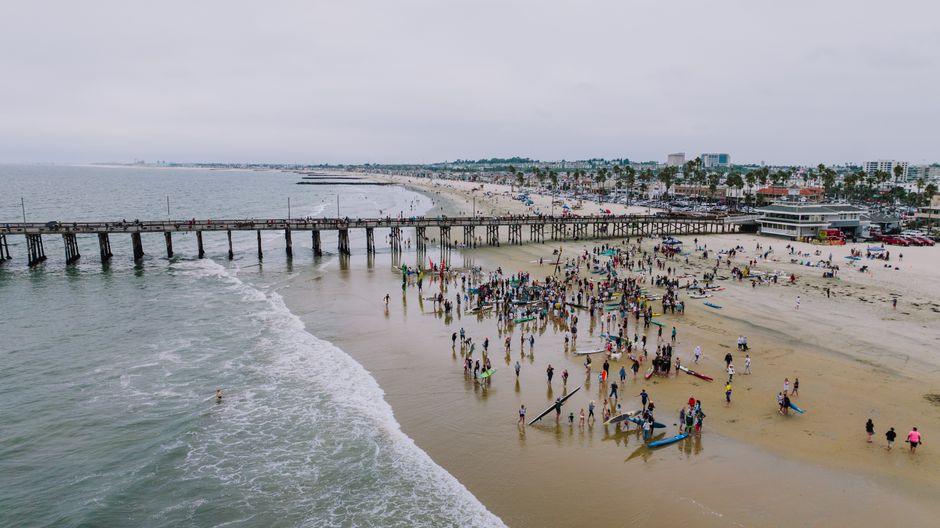
That was the reality for countless workers along Newport Beach on July 4th. Local authorities were forced to shut down businesses stretching from Newport Pier all the way to Pacific Coast Highway as crowds overwhelmed the area.
The scenes were ugly. People swarmed officers. Debris flew through the air. Fights broke out between individuals who had no business being there in the first place.
But here’s what nobody is talking about: the servers, cashiers, and bartenders who were told to keep working while the world outside spiraled.
The Legal Duty Employers Keep Ignoring
Employment attorneys have been sounding the alarm for years about a massive gap in worker protection during emergency situations.
When crowds become uncontrollable and local authorities issue shutdown orders, who is responsible for getting employees to safety? The answer might surprise you.
It is not the authorities. It is not the city. It is the employer.
Federal law under the Occupational Safety and Health Act requires every employer to furnish a workplace “free from recognized hazards that are causing or are likely to cause death or serious physical harm.”
“Most workers have no idea they can refuse to work in dangerous conditions without fear of termination. The law is on their side—but nobody tells them.”
That means if a business owner keeps the doors open while violence erupts outside, they are potentially violating federal law.
But here is the catch: most workers do not know their rights. And employers know it.

What Workers Can Actually Do
The National Labor Relations Act protects employees who refuse to work in conditions they reasonably believe are unsafe. This protection extends to situations involving potential violence or civil disturbance.
If you are an hourly worker and your employer demands you stay during a lockdown or emergency, you have options.
- Document everything in writing—texts, emails, verbal instructions
- File a complaint with OSHA within 30 days of the incident
- Contact an employment attorney about potential wrongful termination claims
- Report retaliation to the National Labor Relations Board
But here is the terrifying part: many workers cannot afford to lose a single paycheck. They stay because they have no choice.
The Precedent That Should Scare Every Worker
Courts across the country have consistently ruled that employers cannot force workers to remain in dangerous conditions without consequences.
In one landmark case, a major retailer was held liable after requiring employees to stay during a severe weather event that resulted in injuries. The court found the company prioritized profits over people.
That same logic applies to civil unrest. If a business owner knows crowds are becoming aggressive and refuses to let staff leave, they are opening themselves up to massive liability.
But liability comes after the damage is done. It does not prevent the trauma. It does not undo the fear.

Newport Beach businesses learned a hard lesson on July 4th. The question is whether workers will learn theirs before the next emergency hits.
Because the crowds will come back. The chaos will return. And when it does, the people flipping burgers and pouring drinks will once again be the last to know they had the right to walk away.
Unless they figure it out first.