The Self-Checkout Loophole That’s Quietly Erasing Worker Rights at Major Retailers
Inside the viral moment that exposes a brutal truth: employees are being trained to watch theft happen, and the consequences fall on everyone but the corporation
- Retail employees are often instructed not to intervene during theft incidents, creating impossible situations.
- Workers who speak up or act face termination, while those who stay silent are punished through shrinking hours and staffing cuts.
- Employment law offers limited protection for workers caught between corporate policy and public expectation.
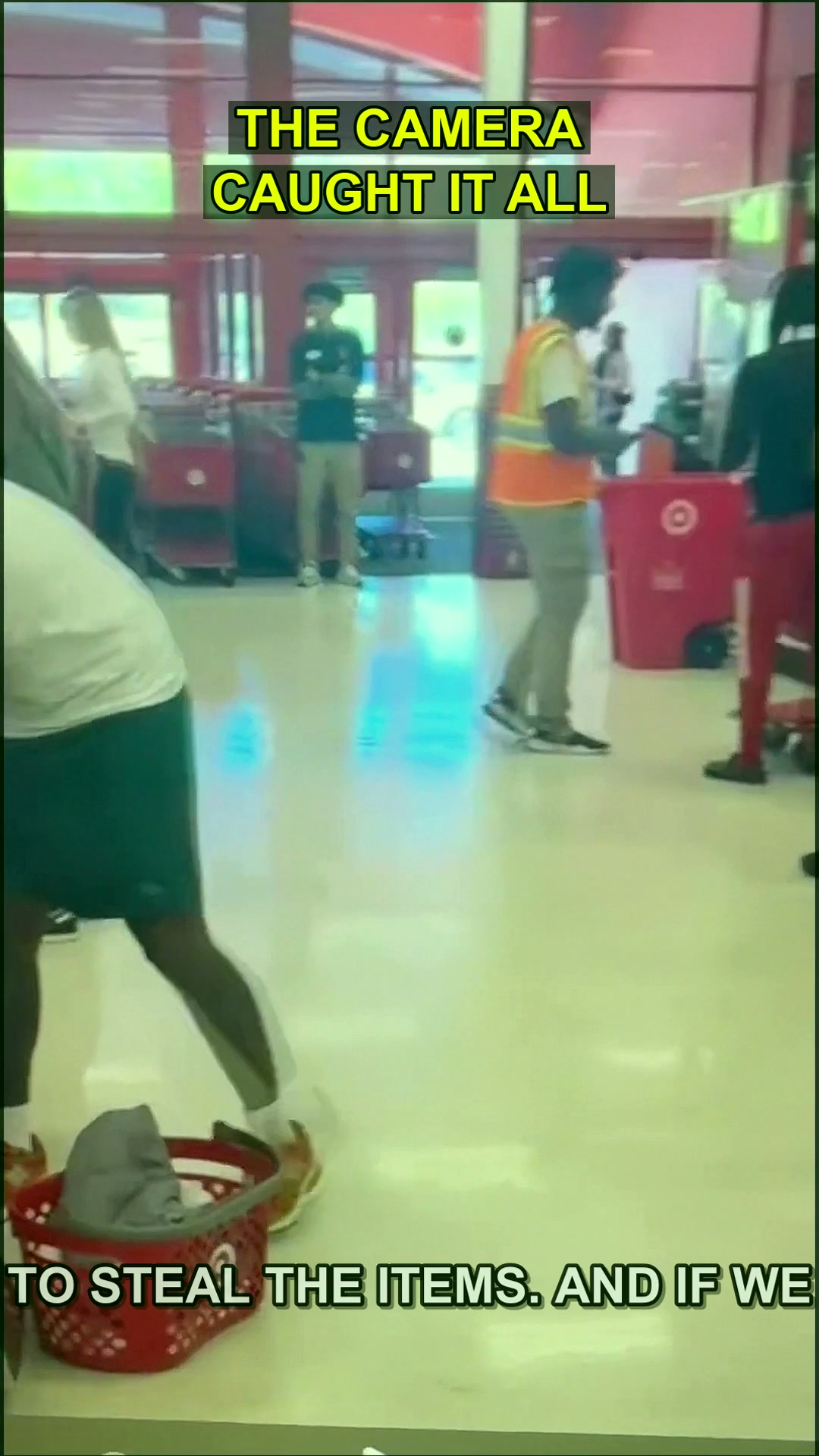
The footage is almost casual in its audacity. A man stands at a Target self-checkout, moving items across the scanner with practiced ease. Except nothing is scanning. He’s hovering products near the machine, then sliding them directly into his bag.
What makes the clip explode across social media isn’t the theft itself. It’s what happens next. Or rather, what doesn’t happen.
An employee watches from a few feet away. Then another. Neither moves. Neither speaks. They simply observe as the man walks out with merchandise he never paid for.

The internet erupted with fury. But the outrage is aimed at the wrong target. The real scandal isn’t the man walking out the door. It’s the system that put those employees in an impossible position, then left them there to take the fall.
The Impossible Position of the Modern Retail Worker
Here’s what the viral clip doesn’t tell you. In most major retail chains, employees are explicitly trained not to intervene during theft incidents. Corporate policy manuals are clear: observe, report, do not engage.
The reasoning is simple. Liability. If an employee gets hurt trying to stop a shoplifter, the company faces a lawsuit. If an employee wrongly accuses a paying customer, the company faces a lawsuit. So the safest corporate position is to instruct workers to do nothing.
But here’s where it gets ugly. The same corporations that forbid intervention then turn around and blame employees for shrinking profit margins. They cut hours. They reduce staffing. They eliminate positions.
The worker who follows the rules gets punished anyway. The worker who breaks the rules gets fired. There is no winning move.

The Legal Void That Swallows Workers Whole
Employment law in the United States offers surprisingly little protection for retail workers caught in these situations. The doctrine of at-will employment means an employer can terminate a worker for almost any reason, or no reason at all.
If an employee intervenes during a theft and gets injured, workers’ compensation may cover medical bills. But if that same employee is fired for violating the company’s non-intervention policy, there is no legal recourse. No unemployment protection. No wrongful termination claim.
“The worker is the most expendable part of the equation. They absorb all the risk and receive none of the protection.”
The viral clip shows two employees doing exactly what they were trained to do. Observe. Do not engage. Report if possible. But the court of public opinion doesn’t care about training manuals. It sees two people standing by while a crime happens.
Those workers now face a different kind of consequence. Not termination, perhaps. But public shaming. Harassment. The kind of stress that follows you home and sits at your dinner table.

When Employer Accountability Disappears
The deeper issue here isn’t about one theft or one store. It’s about a fundamental shift in how corporations treat the people who work for them. Workers are told they are part of a team. They are given responsibilities without authority. They are held accountable for outcomes they cannot control.
Retail theft has become a convenient scapegoat for declining profits. But the numbers tell a different story. Major retailers have reported record revenues in recent years, even as they cite theft as a reason for store closures and staff reductions.
The worker at that Target checkout didn’t create the policy that told them to stand down. They didn’t set the staffing levels that left one employee watching an entire self-checkout section. They didn’t design the self-checkout machines that make theft easier in the first place.
But they will bear the blame. They always do.
What happened in that Target is not an isolated incident. It’s a window into a system that has quietly redefined the relationship between employers and workers. The rules have changed. The protections have vanished. And the people standing at the checkout counter are the ones left holding the bag.
Not the merchandise. Just the consequences.