The Texas Standoff: How Swift Accountability Reshaped a Chaotic Protest
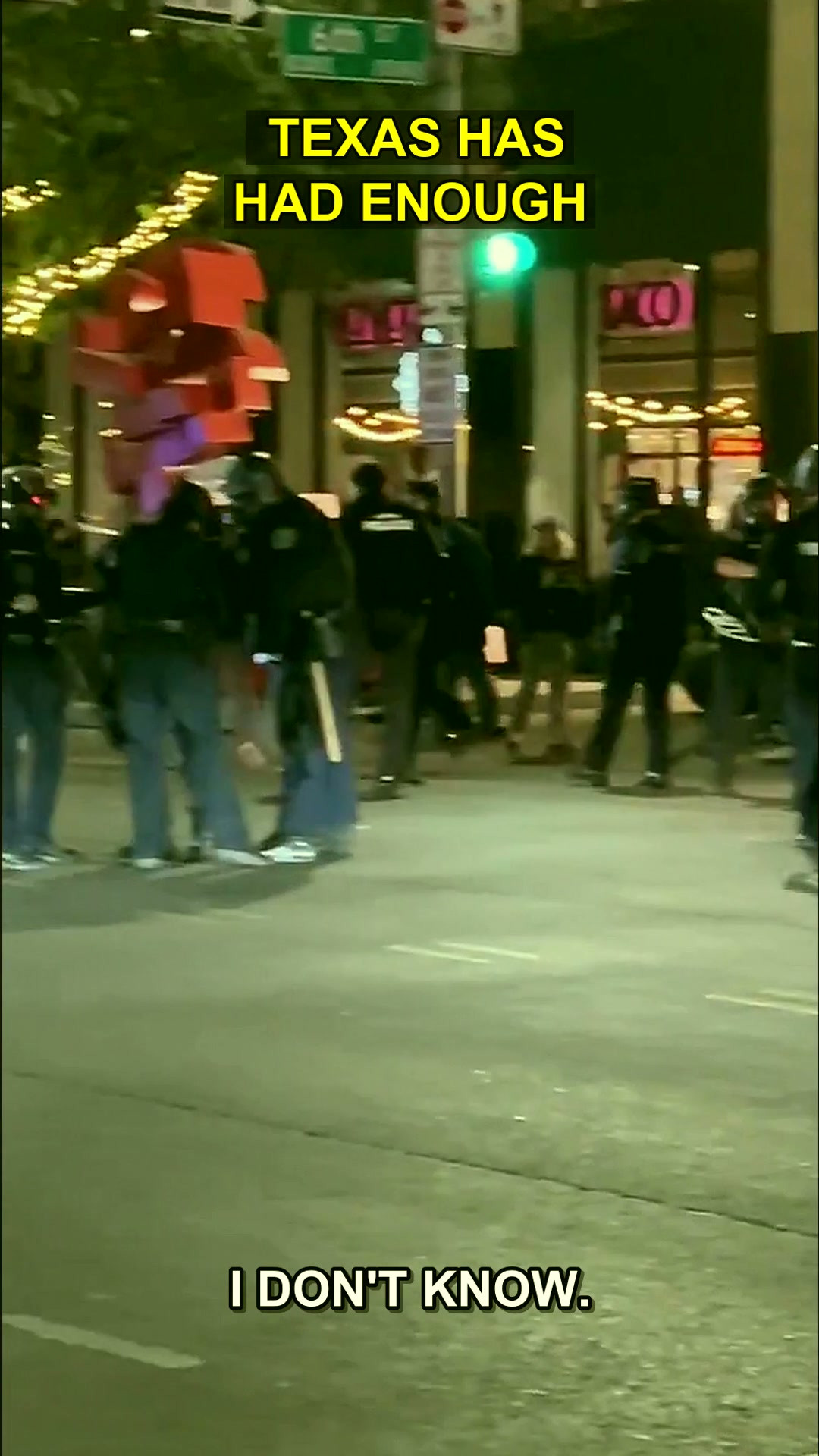
When public order collides with heated dissent, the aftermath reveals a state’s ironclad approach to legal consequences.
- Texas officials demonstrated a zero-tolerance posture toward public disruption, prioritizing rapid legal follow-through.
- Governor Abbott’s blunt comparison to Minnesota frames a broader debate about state-level responses to civil disobedience.
- The incident highlights the immediate consequences individuals face when confrontations escalate beyond verbal dissent.
The video hits like a gut punch. One moment, a crowd is surging, voices raised in defiance against federal immigration enforcement. The next, a sea of uniforms moves in with mechanical precision. Bodies hit the pavement. Arms are pinned. The shouting turns to sharp, breathless gasps. This wasn’t a warning. It was an action.
Within seconds, the chaos is contained. The agitators are on the ground, cuffed, and being led away. It’s the kind of swift, unapologetic response that has become a signature of the Lone Star State’s approach to law and order. And for the average Texan watching from their living room, the reaction is a mix of shock and grim satisfaction.
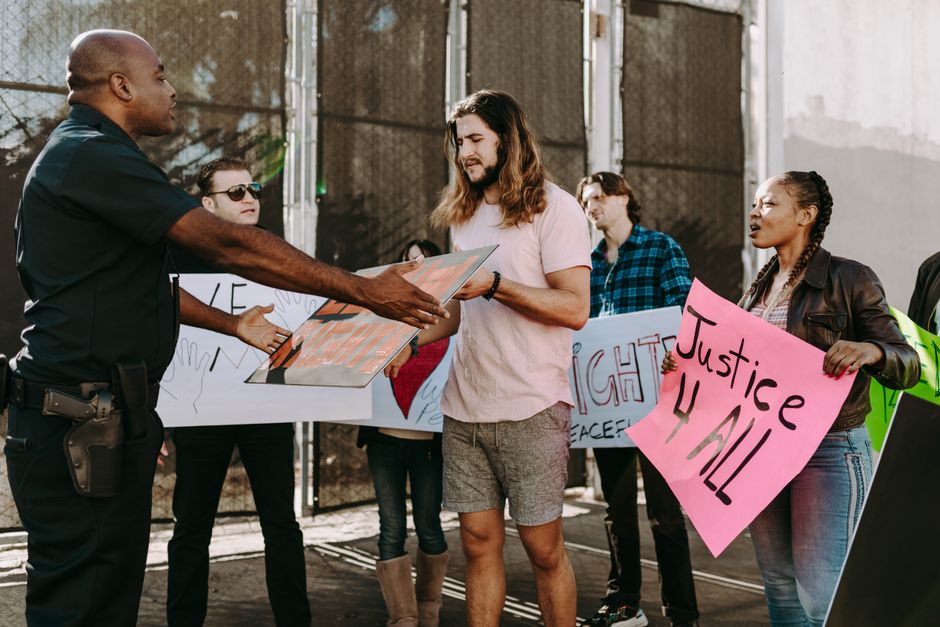
This isn’t a scene from a dystopian thriller. It’s raw, unedited reality from the streets, where the battle lines over immigration policy are being drawn not in courtrooms, but on asphalt. The message is clear: in Texas, the rules are enforced, not negotiated.
The Governor’s Gauntlet
Governor Greg Abbott didn’t mince words. His declaration that “Texas is not Minnesota” wasn’t just a rhetorical jab; it was a policy statement carved in stone. It’s a direct reference to the perception that other states have allowed protests to spiral into prolonged occupation and property damage.
For Abbott, the equation is simple: public safety trumps the right to disrupt. His administration has consistently pushed for stricter penalties for riot-related activities, and this week’s events serve as a live-fire exercise of that doctrine. The comparison to the Twin Cities is deliberate, designed to draw a stark contrast between passive tolerance and active enforcement.
“When you choose to break the law in a public space, you forfeit the right to complain about the consequences.”
The speed of the arrests is the real story here. There was no prolonged standoff, no hours of tense negotiation. It was a surgical strike designed to remove the instigators before the situation could metastasize into something worse. For the average citizen, this is the definition of effective governance.

The Legal Precedent and the Cost of Chaos
This isn’t just about politics; it’s about the legal machinery that grinds into motion after the cameras stop rolling. In Texas, charges for obstructing a passageway, resisting detention, or participating in a riot can carry significant jail time and hefty fines. The message to would-be copycats is chilling: you will be held accountable, and it will hurt your wallet and your freedom.
Legal experts point out that the state has been quietly increasing the penalties for such offenses, creating a legal landscape where the risk of participation far outweighs the reward of protest. It’s a deterrent strategy that relies on the certainty of punishment, not the severity of it.
For the individuals dragged off the pavement, the reality is now a stark ledger of legal fees, court dates, and potential jail time. The brief adrenaline rush of shouting at an officer is now replaced by the cold, hard calculus of a public defender’s office. The community watches, absorbing the lesson: there is a line, and crossing it has a price.
Community Reaction and the Call for Order
In the neighborhoods surrounding the protest, the reaction is mixed but leaning heavily toward support for the swift action. Business owners, tired of boarded-up windows and lost revenue, see the arrests as a necessary shield against mob mentality. Parents see it as a guarantee that their streets won’t turn into a warzone over a federal policy debate.
This isn’t about suppressing free speech. It’s about drawing a hard boundary between expressing a view and shutting down a city. The distinction is one that many residents feel has been lost in other parts of the country, where they see chaos being normalized.
One local resident, watching the footage on a phone screen, shook his head. “They had their say. Then they tried to take over the street. You can’t have that. That’s not freedom; that’s just a mess.” His sentiment echoes the growing fatigue with performative outrage that disrupts daily life.
The resources available to these communities are now shifting toward reinforcing the message of consequence. Local district attorney offices are preparing for a surge in case filings, while victim support groups offer counseling for those who felt intimidated by the aggressive crowd behavior. The system is gearing up for a long, expensive process of legal follow-through.
As the sun sets on another volatile chapter, the pavement is clean, the traffic is flowing, and the agitators are cooling their heels in a holding cell. The question lingering in the humid Texas air is not whether the response was legal, but whether it will serve as the template for a nation watching anxiously. For now, the only sound is the click of handcuffs and the quiet hum of a state that has decided that order is non-negotiable. The next protest is already being planned, but so is the response.