The Weight of a Verdict: How One Texas Courthouse Became the Epicenter of a Community’s Rawest Emotions
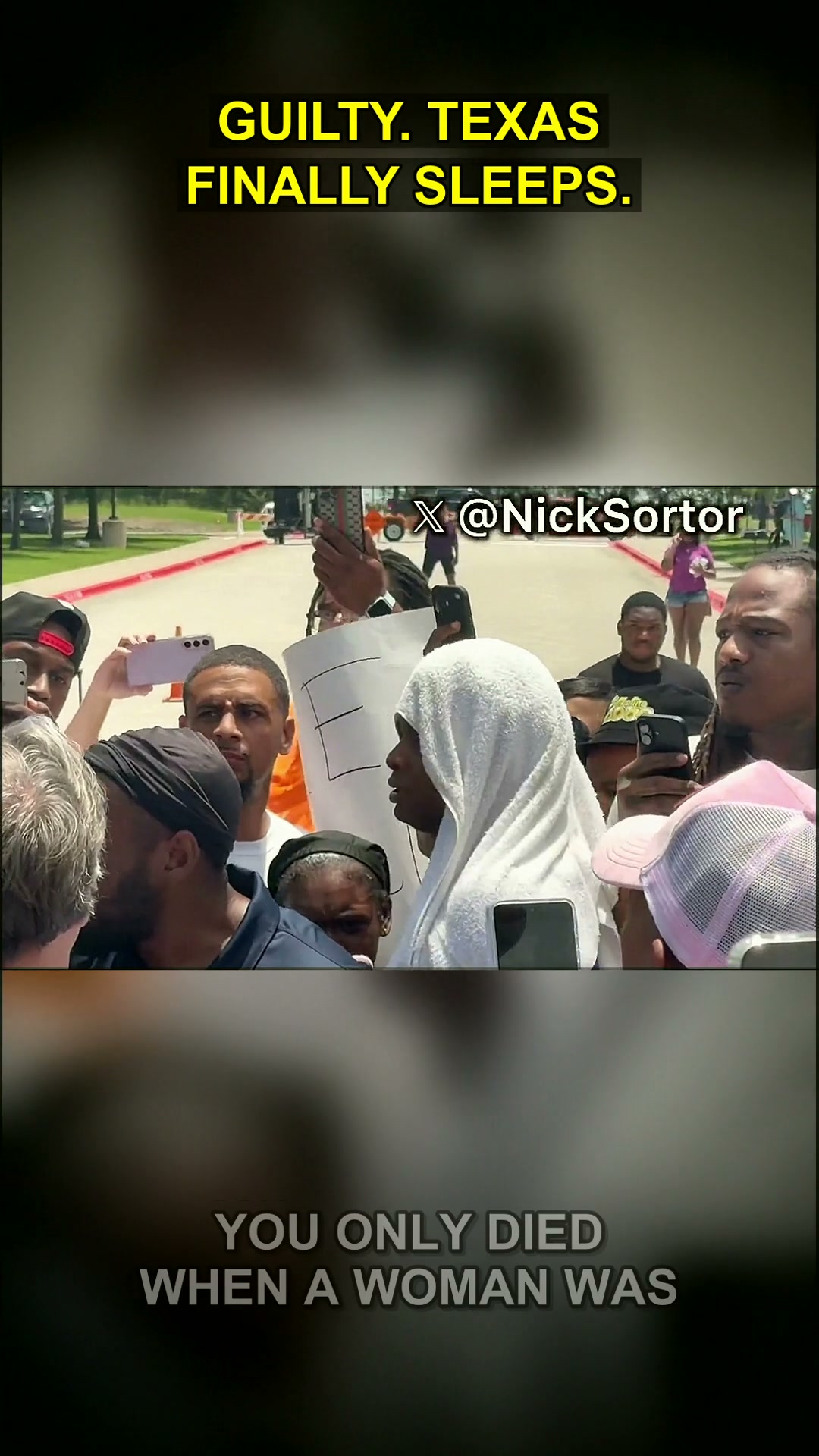
Inside the tense hours following the guilty verdict in the Karmelo Anthony trial, where grief, rage, and the fragile hope for accountability collide in a single parking lot.
- The verdict concludes a legal process that began with a fatal dispute over a simple, everyday interaction.
- Emotional scenes outside the courthouse highlight the deep social fractures and the human cost of the case.
- The outcome forces a broader conversation about accountability, personal conduct, and how communities heal after a public tragedy.
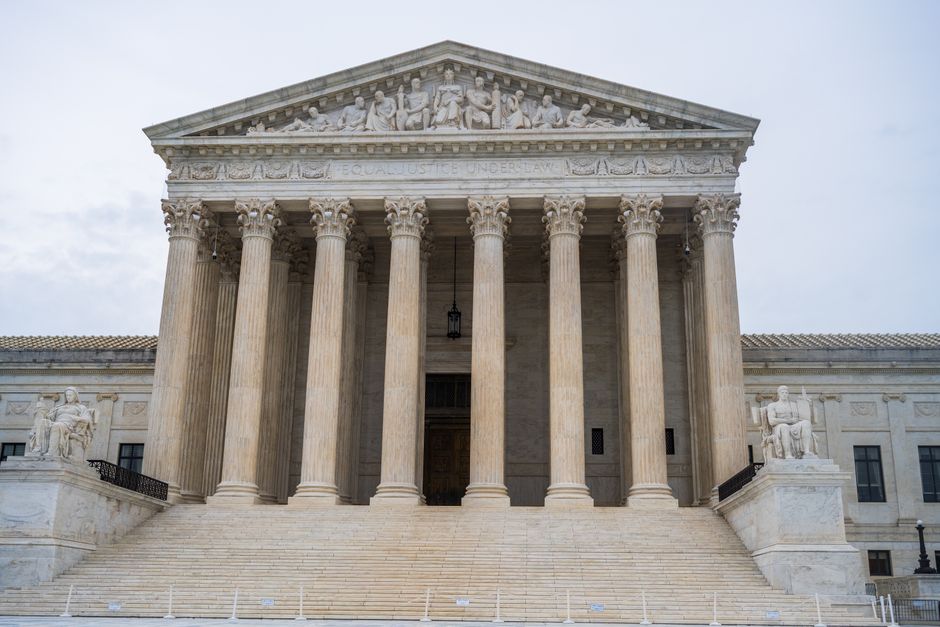
The sun was beginning to dip over the Texas skyline, casting long shadows across the granite steps of the courthouse. You could hear the verdict before you saw the faces. A low rumble, then a sharp, guttural cry that split the air. On one side, a collective exhale of relief—the sound of justice finally landing. On the other, a wave of unrestrained anguish, the sound of a world crumbling in real-time.
This was not a movie scene. This was the raw, unfiltered aftermath of the decision in the case against Karmelo Anthony, found guilty in the death of Austin Metcalf. For the families, for the onlookers, and for the supporters who had camped out for hours, the verdict was a thunderclap that left the air feeling electric and heavy all at once.
The Tension That Wouldn’t Break
In the hours leading up to the announcement, the atmosphere was a tinderbox. Small groups huddled together, whispering prayers and scrolling through their phones for the umpteenth time. You could see the exhaustion etched into the faces of the families who had sat through every agonizing detail of the proceedings. This was not just a legal battle; it was a test of human endurance.
When the word “guilty” echoed through the corridors, the dam finally broke. The reaction was visceral. In the parking lot, the scene descended into a cacophony of emotion. The raw video capturing the moment shows the sheer volatility of the human spirit—the desperation of those who felt their world had ended, and the stark relief of those who believed a measure of accountability had been served.
“You only died when a woman was naked, but when a man walked up, what is it? That’s the crazy one.”
That single, fragmented cry from the crowd cuts to the heart of the confusion. It speaks to a dispute that spiraled out of control over a perceived slight regarding a woman. It points to a fatal interaction that began with words, escalated with pride, and ended in a loss that can never be reclaimed.
The Human Cost of a Fatal Dispute
To understand the weight of this moment, you have to strip away the legal jargon and look at the human geometry of the tragedy. Austin Metcalf was a person. He had a life, a future, and people who loved him deeply. The details presented in the trial painted a picture of a confrontation that went from zero to fatal in a heartbeat—a moment of poor judgment that had irreversible consequences.
Karmelo Anthony now faces the consequences of that split-second decision. But the ripple effects extend far beyond the man in the defendant’s chair. They extend to the families who must now learn to live with the outcome. They extend to a community that is left asking how such a senseless loss of life could happen over a petty argument.

The Verdict’s Echo: Accountability and the Search for Peace
The scenes in the parking lot were chaotic, to say the least. Supporters of the convicted man were visibly distraught, their cries of disbelief mixing with the chatter of the press and the solemn movements of security personnel. It was a stark reminder that justice, while blind, often leaves deep scars on both sides of the aisle.
For those who knew Austin Metcalf, the verdict offers a measure of closure, a validation that his life mattered and that his death was not without consequence. But closure is a tricky word. It does not bring him back. It does not fill the empty chair at the dinner table. It simply provides a legal endpoint to a tragedy that will forever linger in the hearts of those who knew him.

This case has ignited a firestorm of debate online, with the unedited truth of the situation sparking fierce arguments about personal responsibility and the culture of violence that permeates simple disagreements. The viral nature of the case has turned this local tragedy into a national talking point about how we handle conflict.
The Fragile Thread of Community
Beyond the legal victory and the cries of defeat, there is a deeper narrative thread—the story of a community trying to hold itself together. When the cameras leave and the crowds disperse, the families are left to navigate a new reality. The true test of resilience is not in the courtroom, but in the quiet days that follow.
It is in the way neighbors check on the Metcalf family. It is in the way strangers offer prayers for both families, recognizing that no one wins in a situation where a life is lost. The verdict is a legal conclusion, but the emotional journey is far from over. The community must now find a way to heal, to rebuild trust, and to remind itself that basic respect and common sense are the only true safeguards against such devastating outcomes.

The anger in the parking lot was real. The grief was palpable. And the silence that followed the initial outburst was deafening. As the sun fully set on the courthouse, the reality of the situation settled in like a cold front. Karmelo Anthony was found guilty, but the tragedy of Austin Metcalf remains a wound that will not easily close. The echoes of that cry—”You only died when a woman was naked”—will linger as a haunting reminder of the absurdity and the fragility of life, hanging in the Texas air long after the lights in the courthouse went dark.