The True Cost of Hate: When a Texas Nurse’s Tirade Becomes an Employer’s Nightmare
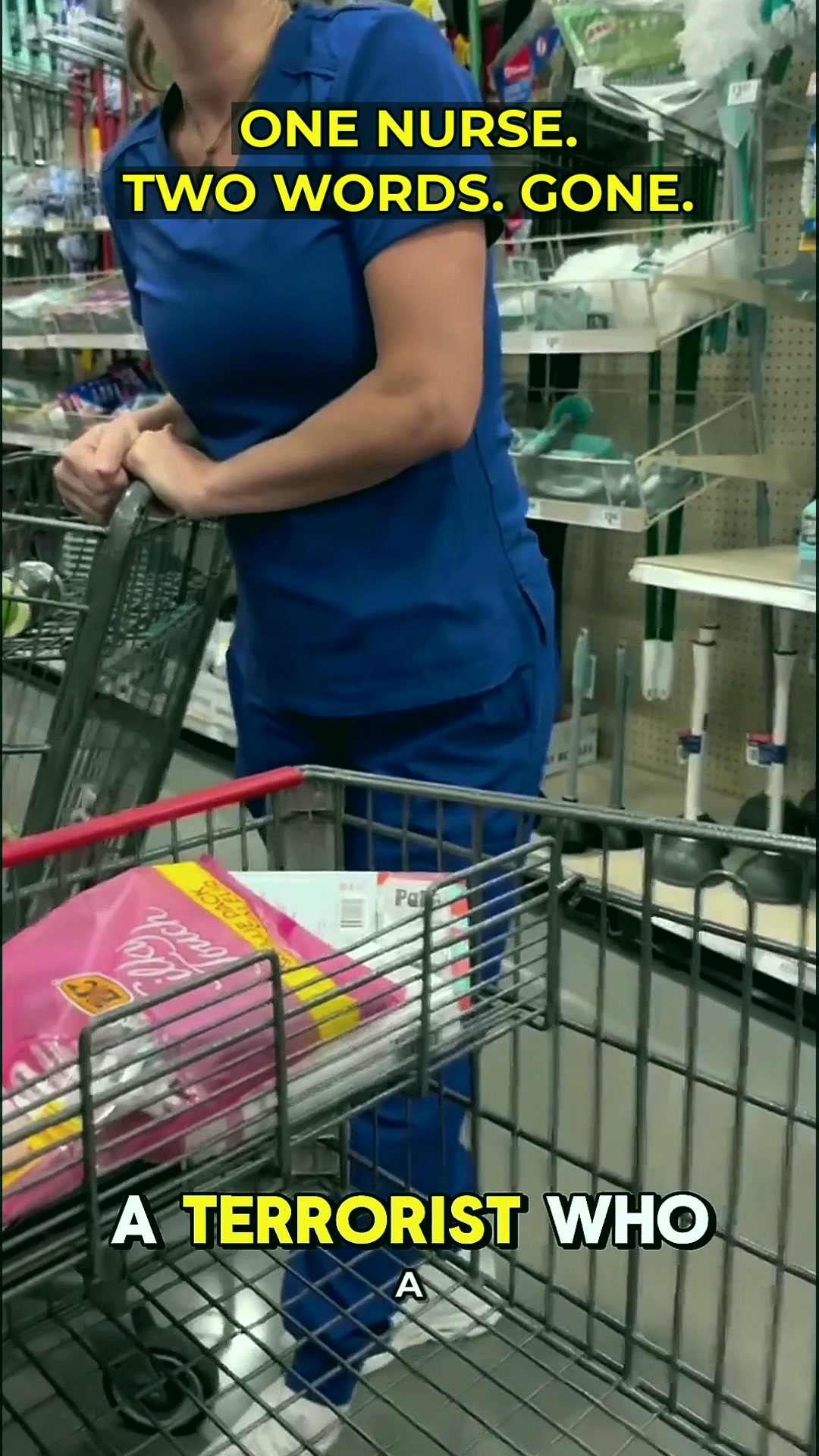
One viral moment in a Texas store has ignited a firestorm over religious intolerance, workplace conduct, and the legal protections every American actually has.
- A viral video shows a nurse berating a shopper with inflammatory remarks about their religion, demanding they leave the state.
- The incident raises serious questions about employer liability and HR accountability when staff bring personal bias into public spaces.
- Federal and state laws protect individuals from religious discrimination in public accommodations, and witnesses can face consequences for harassment.
- Workers who engage in discriminatory conduct can face termination, and employers may face legal exposure for failing to act.
Picture this: you are browsing a store in Texas, running a simple errand, when a complete stranger—a nurse, no less—starts screaming at you to leave the country. She points at your clothing. She lectures you on your faith. She tells you that you are not welcome here because she believes this is a “Christian country.”
That is not a hypothetical scenario. That is exactly what a viral video out of Texas captures, and it has sparked a national conversation about how personal prejudice can boil over into public harassment. The woman in the video, identified as a nurse, is seen telling a shopper that Islam is a “terrorist organization” and that they should “get the fuck out of here.” The audio is raw, hostile, and deeply unsettling.

The Blurred Line Between Personal Belief and Public Harassment
The video shows a moment that many Americans fear: being targeted simply for how they look or what they believe. The nurse in the video does not know this shopper. She does not know their history, their character, or their contributions to the community. Yet, in a matter of seconds, she decides they do not belong.
Here is the uncomfortable truth that this incident drags into the spotlight: your personal beliefs, no matter how strongly held, do not grant you a license to degrade another human being in public. The law draws a very bright line here. Under the Civil Rights Act, places of public accommodation—which includes retail stores—cannot discriminate based on religion, race, or national origin. That protection extends to customers.
The woman in the video is not just expressing an opinion. She is engaging in conduct that most legal experts would classify as harassment, and she is doing it in a space where the owner has a legal duty to protect patrons from exactly this type of behavior.
“I’m very educated on this subject because you’re not welcome.” — The nurse in the viral video.
Let that quote sink in. She claims education on a subject while simultaneously demonstrating a profound lack of basic respect for another person’s humanity. It is a classic case of someone weaponizing their own ignorance and calling it knowledge.

Workplace Accountability: When Your Off-Duty Rage Becomes Your Employer’s Problem
Now, the spotlight shifts to the nurse’s employer. In the age of social media, your conduct outside of work can follow you inside the break room faster than you can clock in. Hospitals and healthcare facilities have stringent codes of conduct. They are held to a standard of care that includes public perception and patient safety.
A nurse publicly spewing religious intolerance is not just a bad look on a personal level; it is a massive liability for the healthcare institution that employs her. Human Resources departments across the country are watching this video and cringing. They know that public backlash of this magnitude often leads to swift and severe consequences.
We have seen this play out before. A viral video of an employee behaving badly often results in immediate termination. Companies move quickly to sever ties to protect their brand image. The concept of “accountability” in the workplace has expanded to include your digital footprint and your public interactions, especially if you are identifiable by your uniform or your statements.
This is the reality of the modern workplace. Your job is not a shield for your personal prejudices. When you put on that uniform, you represent a brand, and when you act out in public, you put that brand at risk. The “common sense” that tells you not to scream at strangers in a store is the same common sense that keeps you employed.
The Legal Precedent: What Protections Actually Exist?
Let us talk about the legal framework that applies to this ugly scene. The Civil Rights Act of 1964 is the cornerstone of anti-discrimination law in the United States. Title II specifically prohibits discrimination in places of public accommodation. If a store allows a customer to be harassed based on their religion and does nothing about it, that store can face legal consequences.
Furthermore, many states, including Texas, have their own laws that mirror and sometimes expand upon federal protections. The Texas Commission on Human Rights Act prohibits discriminatory practices in public accommodations. This means that the shopper in the video could potentially have legal recourse against the store for failing to provide a safe environment.

There is also the question of the nurse’s professional license. Nursing boards in Texas take issues of moral character and professional conduct seriously. A viral video demonstrating overt hostility toward a member of the public could trigger a review of her license. The stakes here are not just about losing a job; they are about losing the ability to practice a profession she likely spent years training for.
The “justice” in this scenario is not just about punishment; it is about establishing a boundary. It is about sending a message that this kind of behavior is not tolerated in our communities. The “unedited truth” is that your rights to free speech end where another person’s right to exist in peace begins.
This incident is a sobering reminder of why you should always document everything. If you find yourself in a situation where you are being harassed, pull out your phone and hit record. It is the most effective tool you have for preserving the facts and protecting yourself legally.
The anxiety of this moment is that it reveals how quickly a routine errand can turn into a hostile encounter. It shows that the rules of decency we expect from our neighbors are not always followed. And it leaves a chilling question hanging in the air: if a nurse can act like this in public, what is happening in the private rooms of our hospitals when the cameras are off?