The Dinner Table Showdown: When a Dallas Restaurant Refuses Service and a Customer Cries Foul
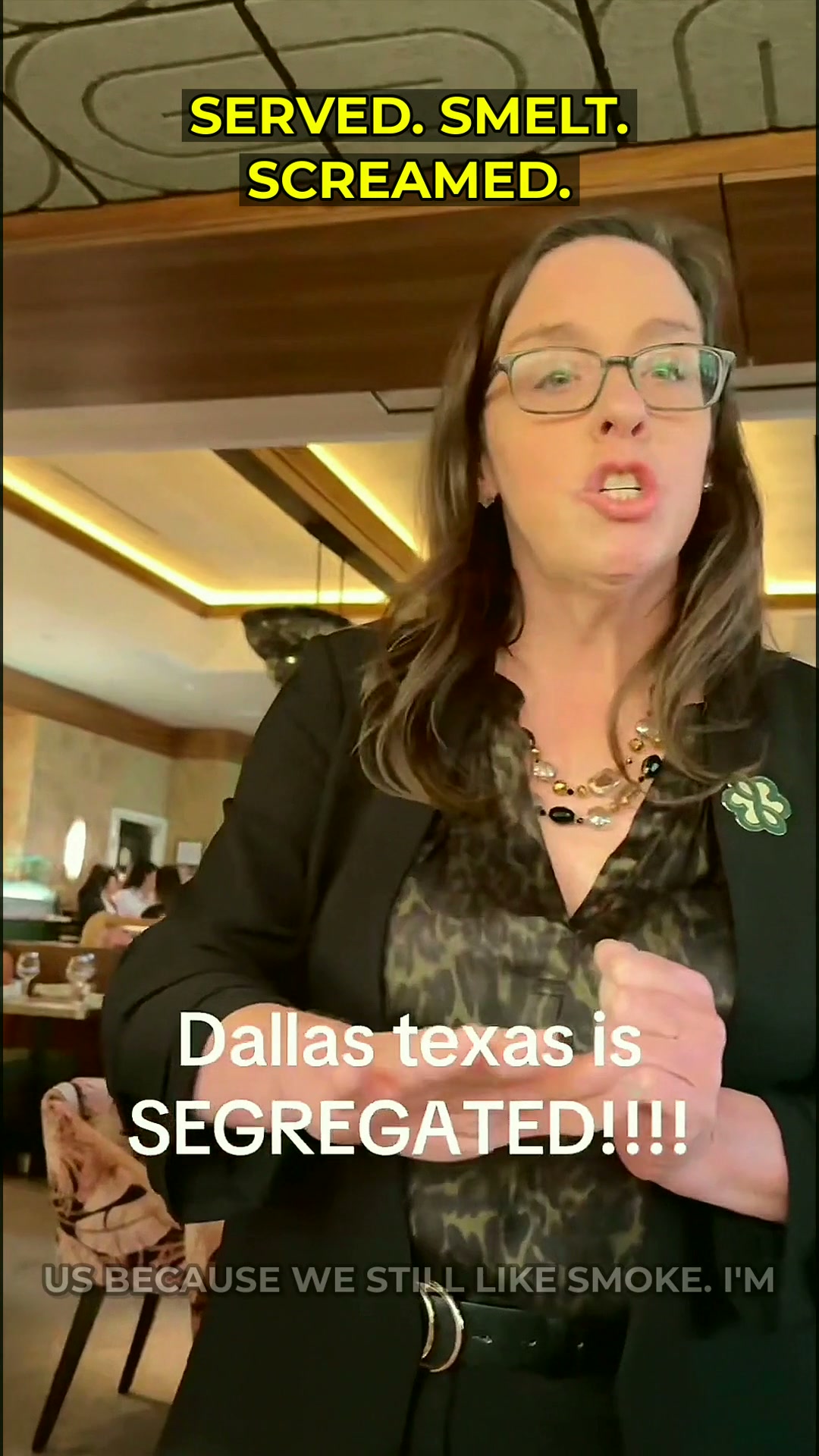
One viral moment exposes the high-stakes tension between a business’s legal duty and a patron’s demand for respect.
- Understanding the legal framework for refusing alcohol service in Texas hospitality venues.
- The distinction between perceived intoxication and direct discrimination in public accommodations.
- What legal recourse actually exists for customers who feel they were unfairly denied service.
The clatter of forks paused. The low hum of weekend conversation in a bustling Dallas eatery hit a sudden, sharp silence. A birthday dinner, a casual outing, a simple request for a bottle of wine—all of it ground to a halt when the server leaned in with an accusation that would turn a routine evening into a viral firestorm: she claimed she could smell marijuana and, citing state law, refused to pour the alcohol.
What followed was a raw, unfiltered exchange captured on a smartphone. A customer, visibly offended, demanded the server’s name. The server, standing her ground, repeated her reasoning: the scent was a liability she was not willing to accept. The customer’s voice rose, invoking the heavy word that changes everything in these situations: discrimination. But in the cold light of Texas law, the server’s refusal might be less about bias and more about survival.

The Server’s Dilemma: Risk vs. Revenue
From the outside, it looks like a simple power play. A customer wants a drink; the staff says no. But for the person holding the tray, the math is brutal. If a guest leaves the restaurant, gets behind the wheel, and an accident occurs, the establishment can be dragged into a civil lawsuit that could bankrupt the owners. The server herself could face fines or lose her certification.
This is the reality of dram shop liability. It places the responsibility squarely on the business to make a judgment call in real time. When a server claims to detect the odor of a controlled substance, they are not making a moral judgment; they are executing a risk-avoidance protocol designed to protect the license that keeps the lights on.
In this specific dispute, the customer’s insistence that “no one here is smoking” misses the point. The law does not require the server to produce a laboratory test. It requires her to exercise reasonable judgment based on observable signs. An odor, real or perceived, is often the trigger that starts that legal clock.
“I can smell marijuana and I won’t be serving in a drug,” the server stated, a line that cuts to the heart of the matter: the employee’s livelihood is tied to strict adherence to the Texas Alcoholic Beverage Commission rules.

The Customer’s Perspective: Where Does Respect Fit In?
To the patron, the accusation is an insult. It carries a stigma that goes beyond “you’ve had too much to drink.” Being told you smell of an illegal substance in a public space, in front of friends or family, feels like a deliberate humiliation. The immediate reaction is to defend one’s character, to demand proof, and to question the motive behind the claim.
The customer’s demand for the server’s name suggests a desire for accountability. In the age of social media, this is the nuclear option: identify the individual, broadcast the interaction, and let the court of public opinion decide who was right. It is a move that forces businesses to scramble, often issuing apologies or clarifications to protect their brand reputation.
But does a feeling of disrespect translate into a legal claim? Under federal and state civil rights laws, discrimination is illegal when it is based on race, color, religion, or national origin. A refusal of service based on a perceived odor—without further evidence of racial animus—is a difficult hill to climb in a court of law. The burden of proof lies with the accuser to show that the reason given was a pretext for bias.

The Legal Precedent: Navigating the Aftermath
For individuals who believe they have been wrongly denied service, the path forward is not a shouting match in the dining room. It is a documented process. The most effective response involves filing a formal complaint with the Texas Alcoholic Beverage Commission, detailing the incident. If there is a belief that discrimination was the true motive, a complaint can also be lodged with the Texas Civil Rights Division.
However, the legal reality is stark. Restaurants hold significant latitude to refuse service to anyone, as long as the reason is not rooted in a protected class. A perceived odor—whether accurate or not—is often viewed by the courts as a legitimate, non-discriminatory business reason for cutting off alcohol service. The focus shifts from the insult to the liability.
For the customer, the recourse is often limited to a public review or a private conversation with management. For the server, the stakes are infinitely higher. A single mistake in judgment could mean the difference between a paycheck and a court summons. In this volatile environment, patience and procedure are the only true defenses for both sides.
The video ends with the dispute unresolved, the customer’s anger palpable, and the server’s resolve unshaken. The question of what “really” happened remains trapped in the pixels of a smartphone video, viewed by thousands who will never know the full story. One thing is certain: in the state of Texas, the aroma of a controlled substance carries the weight of the law, and the consequences of ignoring it are far heavier than a bad review.