The Moment a Classroom Incident Became a Felony Case: Why Adult Charges Follow
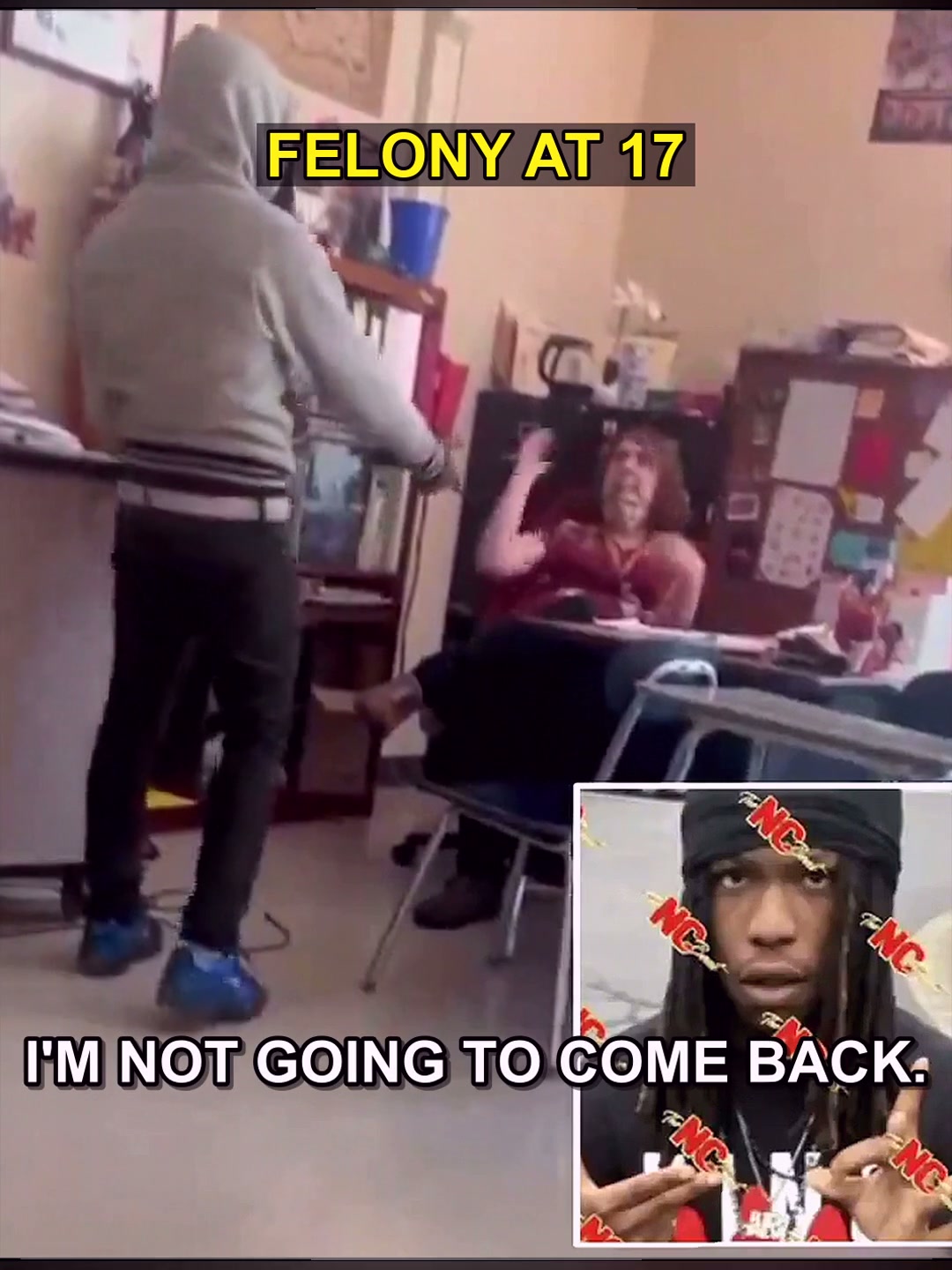
When a viral outburst crosses a legal line, the consequences shift from a school issue to a criminal matter with life-altering stakes.
- A 17-year-old student in North Carolina is now facing felony assault and kidnapping charges as an adult.
- The case stems from a viral classroom incident, escalating from a disciplinary matter to a serious legal proceeding.
- Legal experts point to the severity of the alleged actions and the legal process for older teens as key factors in adult certification.
It started as a moment of chaos in a North Carolina classroom—a video capturing a student striking his teacher. But for 17-year-old Aquavis Hickman, that moment has now crystallized into something far more permanent: a grand jury indictment on felony assault and kidnapping charges, with the weight of the adult justice system bearing down on him.
Forget a trip to the principal’s office. This is a trip to a courtroom, where the stakes are measured in years, not detentions. The shift from a school disciplinary referral to a criminal indictment is a seismic one, and it sends a clear message about how the legal system views certain actions, regardless of age.

The Indictment: Two Incidents, One Legal Reckoning
The indictment against Hickman isn’t just about the viral clip everyone saw. It references two separate incidents, weaving together a pattern of alleged behavior that prosecutors deemed severe enough to pursue the highest charges available. Assault and kidnapping are not words thrown around lightly in a legal filing.
Charging a 17-year-old as an adult is a decision that doesn’t happen in a vacuum. In North Carolina, the legal system considers the nature of the alleged offense, the minor’s prior history, and the threat to public safety. When a case crosses that threshold, the message is clear: accountability scales with the severity of the action, not the age of the person holding the camera.
The video that circulated online showed a chaotic scene, with the student allegedly striking the teacher and using profane language. The teacher, in the middle of the fray, appears to be trying to maintain order. The aftermath has left many wondering how a classroom dispute escalated to a felony docket.
The Legal Precedent: When a Classroom Stops Being a Classroom
This case taps into a broader legal conversation about how the justice system handles violent incidents in schools. The line between discipline and criminal behavior is often blurred in the heat of the moment, but the law draws a hard line after the fact. Once a teacher is physically struck and the act is captured on video, the district attorney’s office has little room to treat it as a simple student conduct issue.
Legal analysts point out that the “kidnapping” charge often involves a restraint of movement or forcible confinement. In the context of a classroom, this could relate to allegations that the student prevented the teacher from leaving or created a situation where the teacher felt trapped. It is a charge that elevates the entire case to a different level of legal scrutiny.
The decision to charge Hickman as an adult is a powerful statement about consequences. It suggests that the local prosecutor believes the behavior warrants a punishment that the juvenile system may not be equipped to deliver. It is a move that prioritizes accountability over rehabilitation, at least in the public eye.
“The video makes it real for the public, but the indictment makes it real for the defendant. This is where the justice system shows its teeth.”

What Justice Looks Like for the Victim and the Community
For the teacher at the center of this incident, the legal process offers a path to formal recognition that what happened was not just wrong, but criminal. Victim advocacy groups stress that pressing charges is often about more than punishment; it is about validating the trauma experienced by the person on the receiving end of the outburst.
Community resources and victim support networks play a critical role in these cases. From counseling services to legal aid that helps navigate the complex court system, the infrastructure for victims is essential. The public nature of this case, fueled by the viral video, adds another layer of pressure on all parties involved.
For the wider community, this case serves as a reference point for how disputes are handled. It underscores the unedited truth that actions in a public space, especially those recorded on smartphones, have a permanence that can define a person’s future. The justice system is now tasked with sorting out the details, weighing the evidence, and delivering a verdict that reflects the severity of the allegations.
The road ahead for Hickman involves legal proceedings that will scrutinize every detail of that classroom encounter. For the teacher, it involves watching a former student navigate the adult court system, hoping that the process brings a sense of closure and safety.

The Uncomfortable Question of Consequences
There is a sobering reality in watching a teenager face decades of potential prison time. It forces a community to ask if the punishment fits the crime, or if the system is making an example out of a case that went viral. But there is also a competing demand for safety and order in schools, a demand that teachers and students alike have been vocal about for years.
The indictment is a formal step, not a final verdict. The legal process will now unfold, with the defense and prosecution battling over the facts, the video, and the intent behind the actions. The presumption of innocence remains, but the shadow of the adult charges looms large over every proceeding.
What happens next will be determined by the courts, but the precedent is set. A classroom disruption that leads to physical contact is no longer just a call home to parents. It is a potential felony referral, a decision that will follow a young person long after the school year ends. The message to students is stark and clear, and it is written in the language of the law.