The Quiet Terror of a Birmingham Morning: How 72 Hidden Components Exposed a Larger Reckoning
When routine checks reveal extraordinary dangers, the real question becomes: what does justice look like for a community on edge?
- Understanding the gravity of concealed weapon components in everyday vehicles.
- Examining the legal pathways and community resources that emerge after such a discovery.
- Why accountability and public vigilance are the cornerstones of a safer neighborhood.
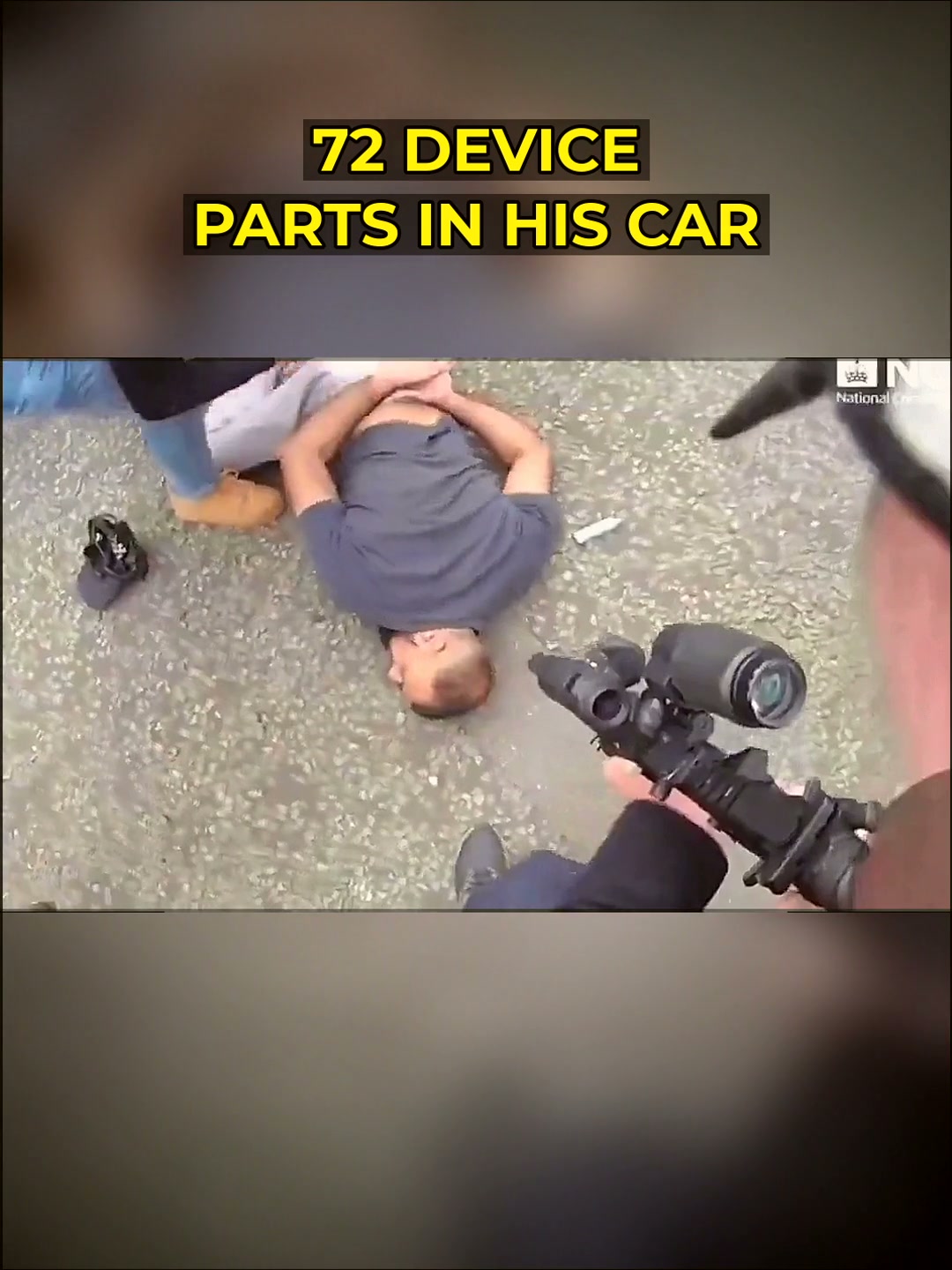
Imagine the scene: a quiet street in Birmingham, the hum of an engine, and a routine stop that would unravel something far more sinister. Officers approached a car driven by Yasir Khan, expecting the mundane. Instead, they discovered a cache of 72 separate components for firearms, meticulously concealed in every nook and cranny of the vehicle.
The footage is jarring. Commands are shouted, doors are opened, and a man is brought to the ground. The sheer scale of the find—not one weapon, but 72 distinct parts—paints a picture of premeditation that is difficult to process. This wasn’t a spur-of-the-moment lapse in judgment; it was a logistical operation on four wheels.
For the average person, the immediate reaction is a cold chill. That car could have been parked next to a school. It could have been driven through a crowded market. The components, once assembled, represent a capability for harm that no community should have to contemplate.
This incident forces a sobering question to the forefront: How do we, as a society, process a threat that is so deliberately hidden in plain sight? The answer lies not in panic, but in the sturdy frameworks of legal accountability and community resilience that follow such a shock.
The Anatomy of a Concealed Threat
Finding one part might be a mistake. Finding 72 is a statement. The sheer number suggests a level of intent that strips away any excuse of ignorance. It points to a supply chain, a network, and a plan that was actively in motion on the streets of a major UK city.
Law enforcement agencies often speak of “disrupting the pipeline.” This seizure was a direct hit on that pipeline. By removing these components from circulation, authorities didn’t just prevent a single incident; they potentially dismantled the capability for multiple ones. The unedited truth is that this discovery likely saved lives, though the exact number will never be known.
The public’s focus naturally shifts to the individual involved. Yet, the more pressing concern is the system that allowed these parts to be sourced, transported, and almost deployed. This is where the concept of community accountability moves from a buzzword to a necessity.
The residents of Birmingham are not naive. They understand that the fight for safety is continuous. But moments like this test the spirit. It is incredibly frustrating to see people act like the rules don’t apply to them, that they can ferry danger through neighborhoods with a casual disregard for the lives around them.
“This is exactly why our community needs to stay vigilant. The danger is not always a shadowy figure in a dark alley; sometimes, it is a man in a car, blending in with the morning traffic.”
The Legal Precedent and the Pursuit of Justice
When an individual is caught with such a cache, the legal process becomes a critical test of the system’s resolve. The charges are severe, reflecting the potential for harm. The courts are now tasked with determining accountability, ensuring that the consequences match the gravity of the risk posed to the public.
The legal framework in the UK is designed to be stringent in these cases. The focus is on prevention and deterrence. A conviction here sends a clear message: the concealment of weaponry will be met with the full force of the law. It is a process that relies on precise evidence and diligent prosecution to secure a just outcome.
For the community, the legal follow-through is a measure of their safety. They watch to see if the system that protects them is robust enough to handle the threats that surface. When the justice system works effectively, it reinforces the social contract—the shared understanding that actions have consequences and that the safety of the many outweighs the intentions of the few.
Beyond the courtroom, there is a quieter, more persistent battle. The psychological impact on a neighborhood that discovers such a close call is profound. It breeds a sense of unease that lingers long after the headlines fade.

This is why victim support and community resources are not optional extras; they are essential pillars of recovery. Support networks that help people process the anxiety and fear associated with high-profile incidents are vital. They provide a space for dialogue, reassurance, and collective action, ensuring that the community remains cohesive rather than fractured by fear.
The Long Road to Assurance
The seizure of the components is a victory for law enforcement, but the broader war for public confidence is fought on a different front. It is fought in the commitment to relentless vigilance, in the reporting of suspicious activity, and in the unwavering demand for accountability from every level of the system.
The common sense that tells us this situation is unacceptable is the same common sense that drives a community to demand better. It fuels the call for stricter oversight, for more thorough checks, and for a justice system that treats the intent to harm as seriously as the act itself.
As the legal proceedings against Yasir Khan move forward, the community of Birmingham is left with a stark realization. The danger was here, in their midst, hidden in the chassis of an ordinary car. The system responded, and for that, there is relief.
But the unsettling quiet after the storm leaves a lingering thought: how many more are out there, right now, with similar plans tucked away in their vehicles?