The Long Road to Justice: How a Birmingham Community Demands Accountability
When public incidents shake a neighborhood, the aftermath reveals the true strength of community vigilance and the slow, grinding wheels of legal process.
- Community intervention plays a critical role in highlighting public safety concerns.
- The legal process for such sensitive cases requires patience and trust in the system.
- Resources and support networks are vital for victims and their families during the judicial follow-through.

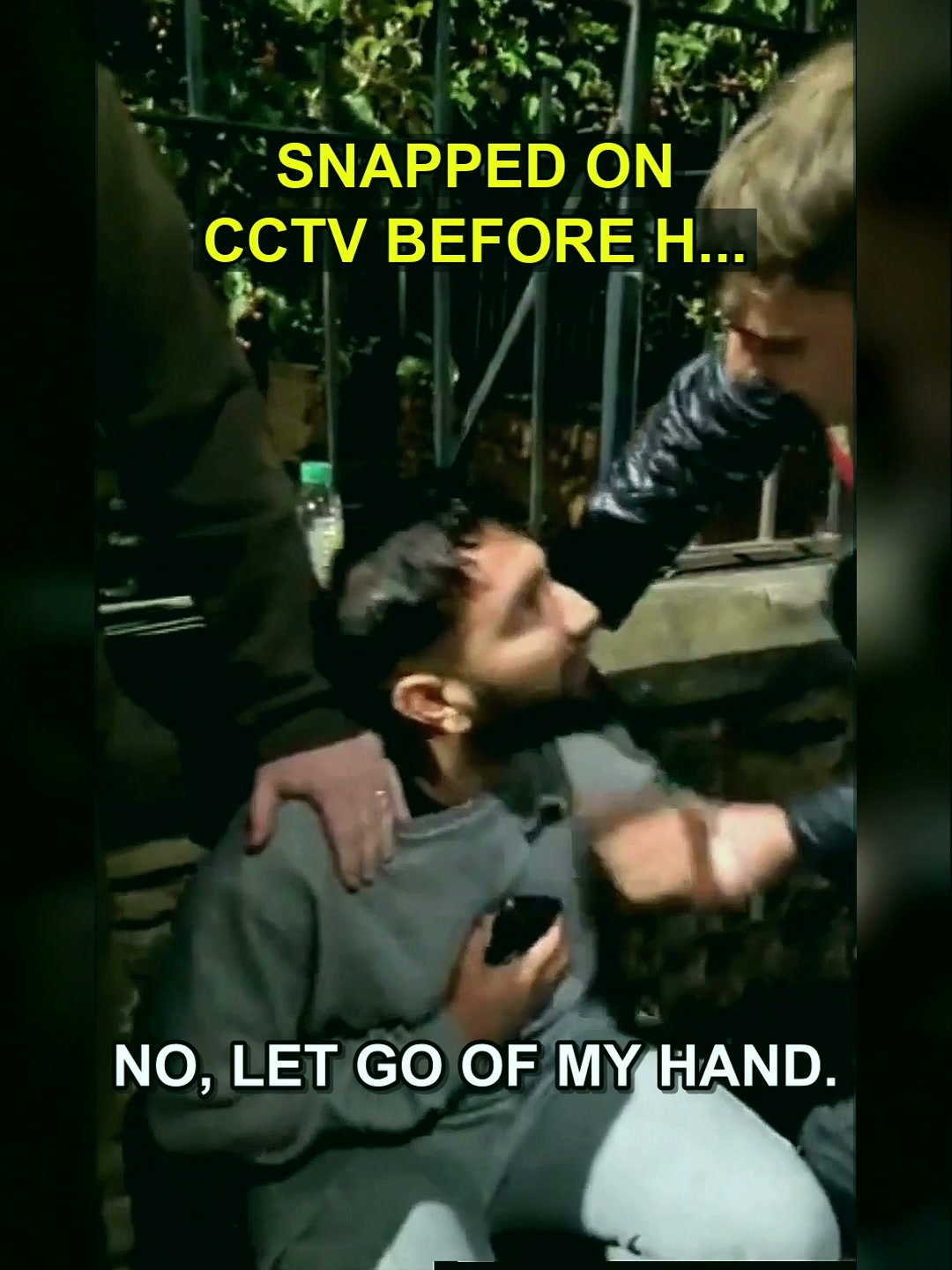
It starts with a voice. A firm command. “Sit down. Give me a minute.” The video clip is grainy, chaotic, and unsettling. A group of men have cornered an individual on a street in Birmingham. The atmosphere is tense. The man at the center of it all, later identified by online sources as Raja Khan, is trying to leave.
But the people surrounding him aren’t having it. They are not authorities. They are not officials. They are residents. And in that moment, they are the only thing standing between a vulnerable 13-year-old girl and a suspect who allegedly attempted to sexually abuse her.
The dialogue is raw. “Don’t take me for a fool. I’m not a child,” one of the interveners shouts. The suspect, visibly agitated, tries to walk away. He reaches out, attempting to grab a hand, trying to steer the conversation. The response is immediate: “Don’t touch me again. Don’t touch my hand again.”
This is the unedited truth of a community stepping up. It is not a scene from a movie. It is a snapshot of ordinary citizens acting on pure adrenaline, fueled by anger and a desperate need to protect their neighborhood.
The Unraveling of a Public Incident
According to the footage and the captions that followed, the situation escalated quickly. The suspect, identified as Raja Khan, allegedly attempted to flee the scene. Bystanders report that he then “staged a heart attack drama” to manipulate the situation, a tactic that many found insulting to their intelligence.
“Give me a minute,” he pleads in the video. But the men holding him are not swayed. They have seen this before. The feigned medical emergency is a desperate move, a last-ditch effort to escape the gravity of the accusations against him.
This is exactly why our community needs to stay vigilant. The attempt to manipulate the narrative in real-time is a common thread in these scenarios. The focus shifts from the alleged crime to the immediate chaos, giving the accused a window to slip away.
“Don’t touch me again. Don’t touch my hand again.” — The victim’s voice cuts through the noise, a clear boundary set in a moment of sheer terror.

The video captures a moment of high tension. The suspect is told to sit. He refuses. He argues. He tries to leave. But the wall of people is immovable. They are not letting him out of their sight until proper authorities arrive.
The question that lingers is not about the intervention itself, which many see as justified, but about what happens next. The suspect was taken into custody by local authorities. However, the caption states that he was subsequently “released on bail” and is “now lives freely in Birmingham.”
What Justice Looks Like After the Cameras Stop
For the victim and her family, the release on bail is a gut-wrenching reality. The immediate danger is gone, but the psychological weight of the incident remains. The legal process is notoriously slow. It involves interviews, evidence gathering, and court dates that can stretch on for months.
Common sense and basic respect are truly disappearing these days. The fear that a victim feels when they see their alleged abuser walking the same streets is immeasurable. The system relies on the principle of “innocent until proven guilty,” but for the community, the video evidence is a stark indicator of the character of the individual involved.
The role of community accountability does not end with the video. It extends to supporting the victim through the legal process. This includes ensuring that she has access to victim support services, counseling, and legal advocates who can navigate the complex judicial system on her behalf.

The legal precedent in the UK for such cases is clear: the welfare of the child is paramount. However, the practical application of this principle is often mired in bureaucracy. Bail conditions can be set, but monitoring those conditions is a resource-intensive task.
The Legal Process and Community Resources
When an incident like this occurs, the focus must shift to the victim. Organizations across the UK specialize in supporting young victims of sexual abuse. They provide a safe space to talk, therapeutic interventions, and guidance on how to interact with the justice system.
It is incredibly frustrating to see people act like the rules don’t apply to them. The suspect’s attempt to flee and his alleged medical drama highlight a blatant disregard for the severity of the situation. It is a manipulation tactic that undermines the credibility of genuine medical emergencies.
The community’s response was swift and decisive. But the long-term solution lies in the courts. The Crown Prosecution Service will review the evidence. Witness statements, including the video footage, will be scrutinized.
The reality is that the journey to justice is often a marathon, not a sprint. For the family of the young girl, the nightmare does not end with the video going viral. It continues every time they leave the house, wondering if they will run into the man who allegedly targeted their child.
While he remains on bail, the community is left with a sobering reminder of why you should always document everything. The video serves as a crucial piece of evidence. It is a record of the immediate aftermath, the suspect’s behavior, and the attempts to evade responsibility.
As the legal process grinds forward, the community is left to pick up the pieces. Vigilance is key. Support networks are vital. And the demand for a thorough investigation remains loud and clear. The streets of Birmingham are watching, and they will not forget. The suspect lives among them, and the tension is palpable. The only resolution lies in the hands of the judicial system, and the community is waiting for the follow-through.