The Reckoning Is Swift: How a Viral Tesla Incident Is Redefining Accountability in the Digital Age
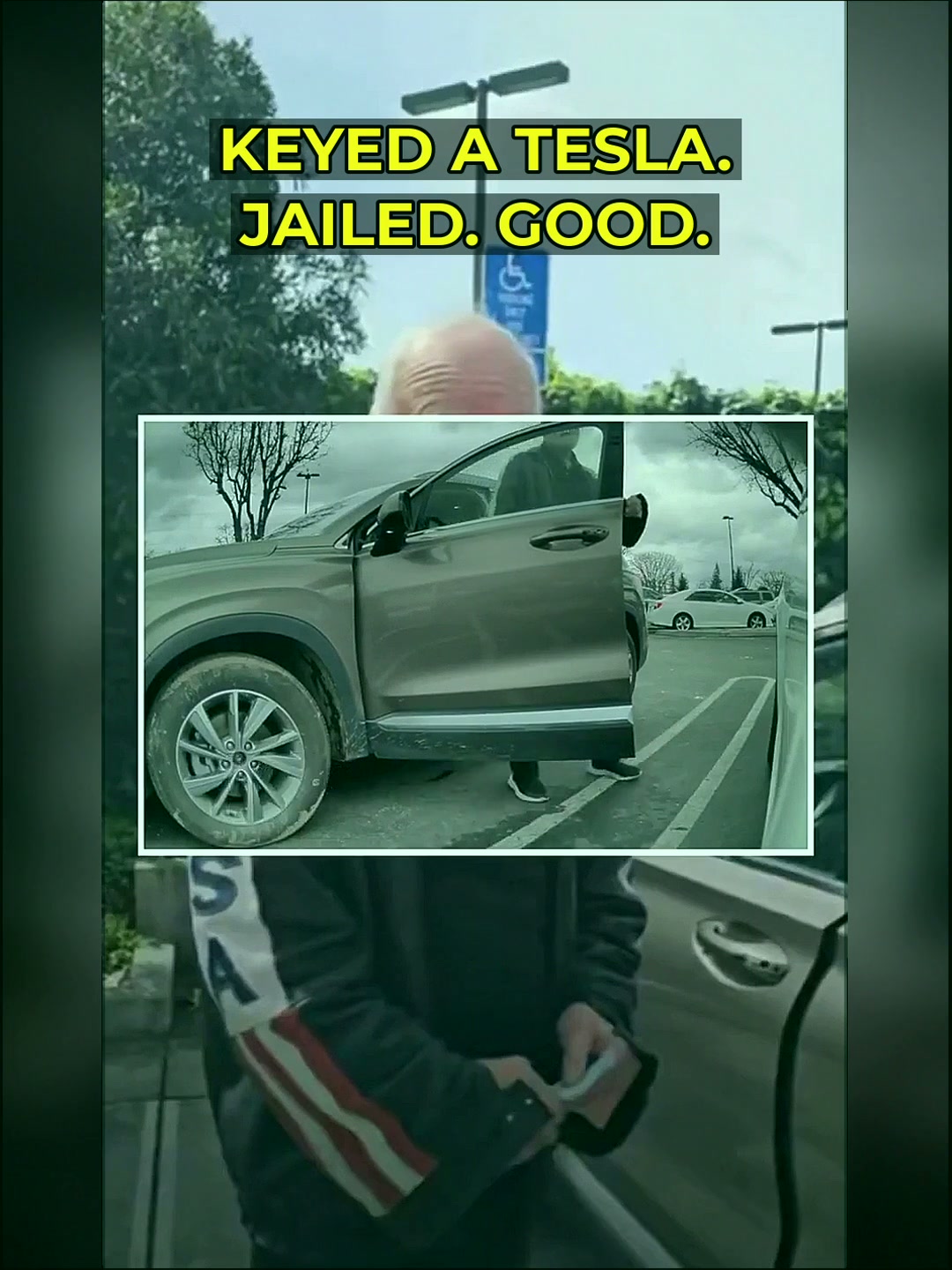
Within 24 hours, a parking lot dispute in San Jose turned into a felony case. Here is what happens when the internet catches you in the act.
- A suspect was arrested for felony vandalism in under a day after video evidence went viral.
- The incident highlights how ordinary citizens and digital evidence are forcing the legal system to act with unprecedented speed.
- Victims of property damage now have clear pathways to seek justice, from police reports to civil court.
The grainy footage is unmistakable. A man walks up to a parked Tesla in a quiet San Jose lot, looks around, and drags a key across the pristine paint job. The sound is sickening. Within hours, that video is everywhere. Within a day, the man is in custody.
This is the new reality of public misconduct. You no longer need a witness to file a report. You need a phone, a charging cable, and the collective outrage of the internet to get results.

The suspect, whose identity has not been released, was picked up by local authorities less than 24 hours after the victim reported the incident. The charge? Felony vandalism. The evidence? A viral video that left him with nowhere to hide.
When confronted by the person who filmed him, the man’s defense was flimsy at best. “I didn’t do that,” he claimed, even as the footage played him back to himself. It is a classic move from the playbook of someone who thought they got away with it.
The Unblinking Eye of Public Accountability
Let’s be honest about what happened here. This wasn’t a complex detective mystery solved by forensic genius. This was a simple case of a person believing they were invisible. They weren’t. A camera was watching, and the public decided that silence was not an option.
This is exactly why our community needs to stay vigilant. The days of “he said, she said” are fading. We are entering an era where the visual record is the ultimate referee.
“Within less than 24 hours of the viral vandalism incident being reported to the San Jose Police Department, we [made an arrest].”
That quote from law enforcement is the sound of a system working as intended. It is a clear signal that flagrant disrespect for other people’s property carries consequences. It is a promise that the anonymity of a parking lot is an illusion.

For the Tesla owner, this swift action is a small victory. But the emotional toll of having your personal space violated by a stranger’s rage is not erased by an arrest report. The repair bill, the insurance headache, the lingering anxiety—those remain.
The True Cost of Vandalism and the Road to Restitution
While the criminal case is now in the hands of the district attorney, the victim is left to navigate the financial wreckage. Felony vandalism in California implies damages typically exceeding $400, but the real cost often goes much deeper.
For those watching at home, the takeaway is stark: this could happen to you tomorrow. It could be your driveway, your fence, or your family car. The question is, are you prepared to document it?
The swift arrest in San Jose sends a message that resonates far beyond Silicon Valley. It says that common sense and basic respect are not optional. It says that when you choose to damage another person’s property, you are choosing to gamble with your own freedom.
The Legal Precedent: Why Speed Matters
Legal experts note that the quick resolution of this case likely hinged on the irrefutable nature of the video evidence. In a traditional investigation, officers might spend days canvassing for witnesses. Here, the suspect was identified by the very public that shared the footage.
This creates a new dynamic in the justice system: community-assisted accountability. The public does the legwork of identification, and the authorities do the legal follow-through. It is a partnership that is becoming increasingly common in the age of the smartphone.
As the suspect awaits his day in court, he faces more than just a judge. He faces the judgment of a society that watched his actions in real-time. He is learning the hardest way possible that in 2024, you are always on camera, and the internet never forgets.
The victim drives away from this with a repair bill and a story. The suspect walks away with a criminal record. And the rest of us? We are left with the unedited truth that justice, when powered by community vigilance, can be blindingly fast.