The Hidden Legal Riptide: What the South Padre Island Chaos Reveals About Worker Safety and Employer Duty
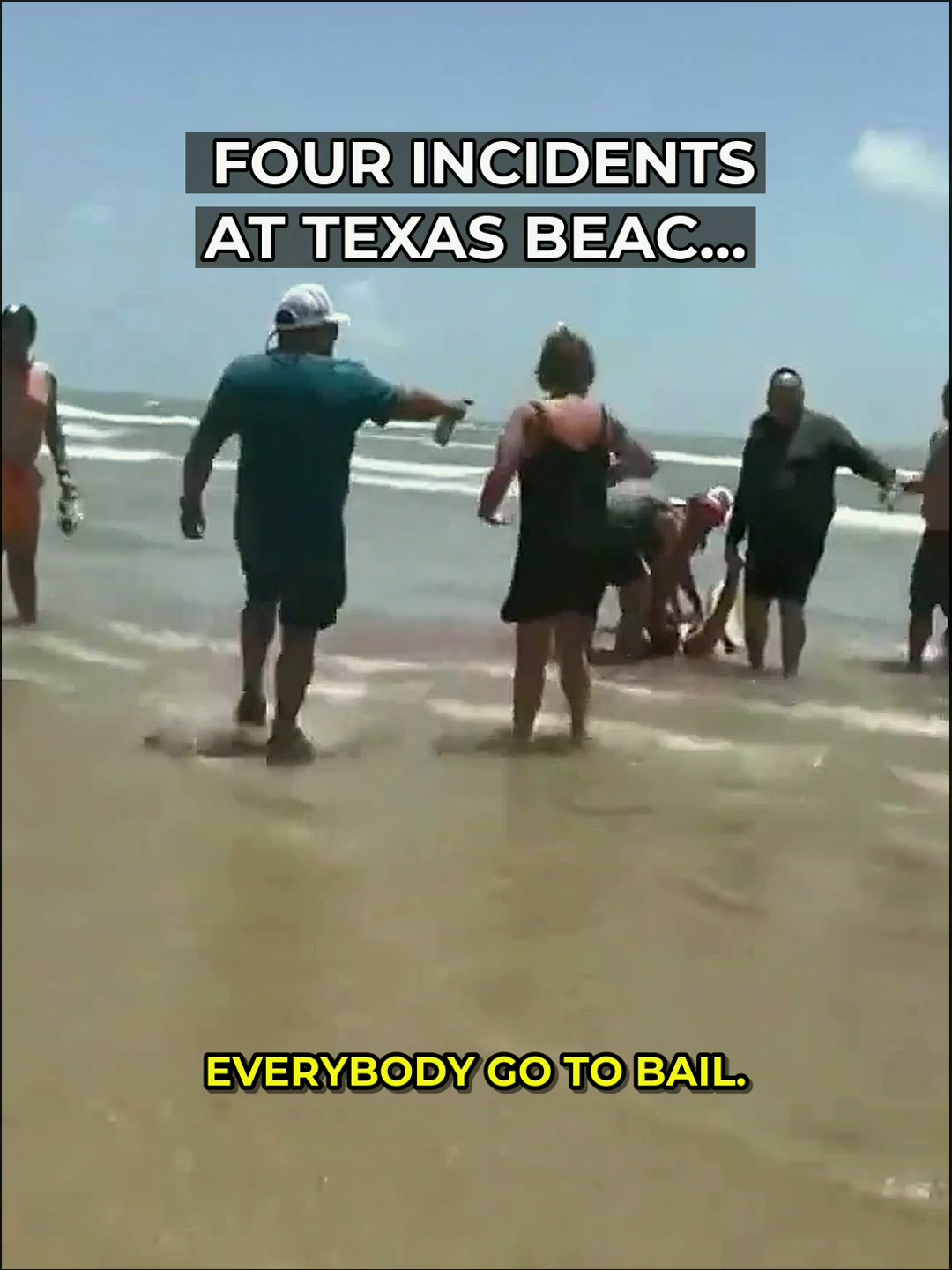
Four ocean incidents in two hours turned a holiday paradise into a scene of panic. But while vacationers fled the water, the beach workers and first responders had nowhere to run. Who is legally accountable when the job description includes ‘risk of wildlife’?
- Holiday surges create a legal blind spot for beachside employers who may be understaffed or under-trained for mass casualty events.
- Workers like lifeguards and concession staff are legally owed a ‘duty of care’ by their employers, which includes protection from foreseeable risks—even those with fins.
- Understanding the line between an ‘Act of God’ and employer negligence is critical for any worker in the tourism and hospitality industry.
The screams started near the jetties. One moment, the Gulf of Mexico was a bathtub-warm playground packed with families celebrating the Fourth of July. The next, it was a scene of frantic chaos. Video from South Padre Island shows bystanders dragging a woman from the surf, her leg visibly mangled, while others scream for everyone to get out of the water. Game Warden Capt. Chris Dowdy confirmed the terrifying reality: four separate incidents within two hours. It was a statistical anomaly that turned a national holiday into a triage unit.
But while the nation focuses on the victims in the water, a quieter, more insidious question lurks beneath the surface of the foamy waves—a question about the people who are paid to be there. The lifeguards who clock in. The beach rental guys who hand out umbrellas. The medics who ran toward the screaming. What happens when the “hazard” is part of the job description, and who pays the price when the unthinkable happens on their watch?

Let’s be brutally honest about the economics of a holiday beach town. When the calendar flips to July, the “machine” kicks into overdrive. Hotels double their rates, restaurants triple their orders, and the city hires seasonal staff at minimum wage to manage crowds that can swell to 100,000 people. These workers—often teenagers and young adults—are thrown into the deep end without the psychological or legal armor to handle a catastrophic event.
In the aftermath of the South Padre incidents, the immediate response was heroic. Good Samaritans, not paid professionals, were the ones dragging victims to safety. But what about the lifeguard who is trained for heatstroke and jellyfish stings, suddenly facing a situation that looks like a wildlife documentary? Under employment law, the concept of foreseeability becomes the legal fulcrum. If an employer knows that shark populations are active in the area (and Texas parks & Wildlife had posted warnings weeks prior), they have a legal obligation to prepare their staff for that specific risk. Failure to do so isn’t just bad management; it opens the door to severe liability claims for negligence and emotional distress.
The Legal Precedent: When “Act of God” Becomes Employer Negligence
The immediate legal defense for any municipality or private beach concessionaire will be the “Act of God” clause. They will argue that a shark biting a swimmer is an unpredictable natural event, absolving them of responsibility. But labor attorneys know the truth is murkier. Legal precedent in Texas suggests that while the ocean itself is unpredictable, the response to an emergency is not. If a 911 dispatcher fails to send help, or if a lifeguard supervisor orders staff not to enter the water due to “liability concerns,” the negligence shifts from nature to the employer.
We saw it during the chaos: untrained civilians risking their own lives to pull victims out. That is a damning visual. It suggests that the formal safety apparatus—the people we pay to keep us safe—was either overwhelmed, under-equipped, or absent. For the workers on the clock that day, the trauma is not just physical. The psychological injury of witnessing a traumatic amputation or severe laceration is a compensable injury under workers’ compensation in many states, provided the employee can prove the incident arose out of the scope of their employment and that the employer failed to provide adequate PPE or training for the specific hazard.
“If you work the beach on a holiday, you are signing up for chaos. But you are not signing up to be a scapegoat. The law requires your boss to have a plan that doesn’t rely on the kindness of strangers to save the day.”
Then there is the financial fallout. The victims who were bitten face staggering medical bills. A single reconstructive surgery for a severe bite can exceed $50,000, not including rehabilitation and lost wages. Who pays? They will sue the city, they will sue the county, and they will sue the hotel where they were staying. But they will also look at the employers of the staff who were present. If a lifeguard admits in a deposition that they saw the sharks earlier in the day and were told “not to cause a panic” by a supervisor, the case shifts from a tragic accident to a cover-up. That is when punitive damages come into play.

Let’s zoom in on the human cost for the workers themselves. Imagine being a 19-year-old making $11 an hour, tasked with watching a beach where a woman just had her leg torn open. You are expected to maintain order, perform first aid, and calm a crowd of panicking tourists. The “fight or flight” response is real. Many of these young workers will quit within the week. Others will stay, haunted by the images, too afraid to file a workers’ comp claim because they fear retaliation from their seasonal employer who can easily replace them.
This is the unspoken crisis of the “gig economy” applied to public safety. Cities are increasingly outsourcing beach safety to private contractors who bid low to win municipal contracts. These contractors cut corners on training to keep costs down. They hire lifeguards who can pass a swim test but have zero experience with marine wildlife protocols. When a shark bites, the public cries for “justice,” but the real accountability lies in the boardroom of the safety company that decided a 10-minute video on “shark awareness” was sufficient training.
The “Duty of Care” Breakdown
Under the Occupational Safety and Health Act, employers have a “general duty” to provide a workplace free from recognized hazards. For beachside businesses, that includes the risk of marine life. But enforcement is nearly non-existent. OSHA doesn’t regularly inspect beaches. The result is a patchwork of local ordinances that often prioritize tourism revenue over worker safety.
Consider the concession worker standing in the surf renting out boogie boards. He is technically a “land-based” employee, but his work requires him to be waist-deep in the water during a shark event. If he refuses to enter the water to retrieve rental equipment after the incident, can he be fired? In Texas, employment is “at-will,” meaning he can be terminated for almost any reason—unless that reason violates public policy. Refusing to put yourself in the path of a known predator? That should be protected. But unless the worker has documented the employer’s demand and the subsequent termination, they have no case.
The Fourth of July incidents at South Padre Island are not just a story about sharks. They are a stress test for the entire infrastructure of coastal tourism. The system failed. It failed the victims who were bitten, and it failed the workers who were left to improvise a rescue operation with their bare hands.

The water is calm now. The beach is open. The rental stands are back in business, selling inflatable floats to tourists who have already forgotten the blood in the sand. But the legal clock is ticking. The investigations are quietly underway. The liability adjusters are circling, looking for the cheapest way to make this story disappear.