The FedEx Nightmare: How a Uniform Became a Weapon and a Family’s Worst Fear Came True
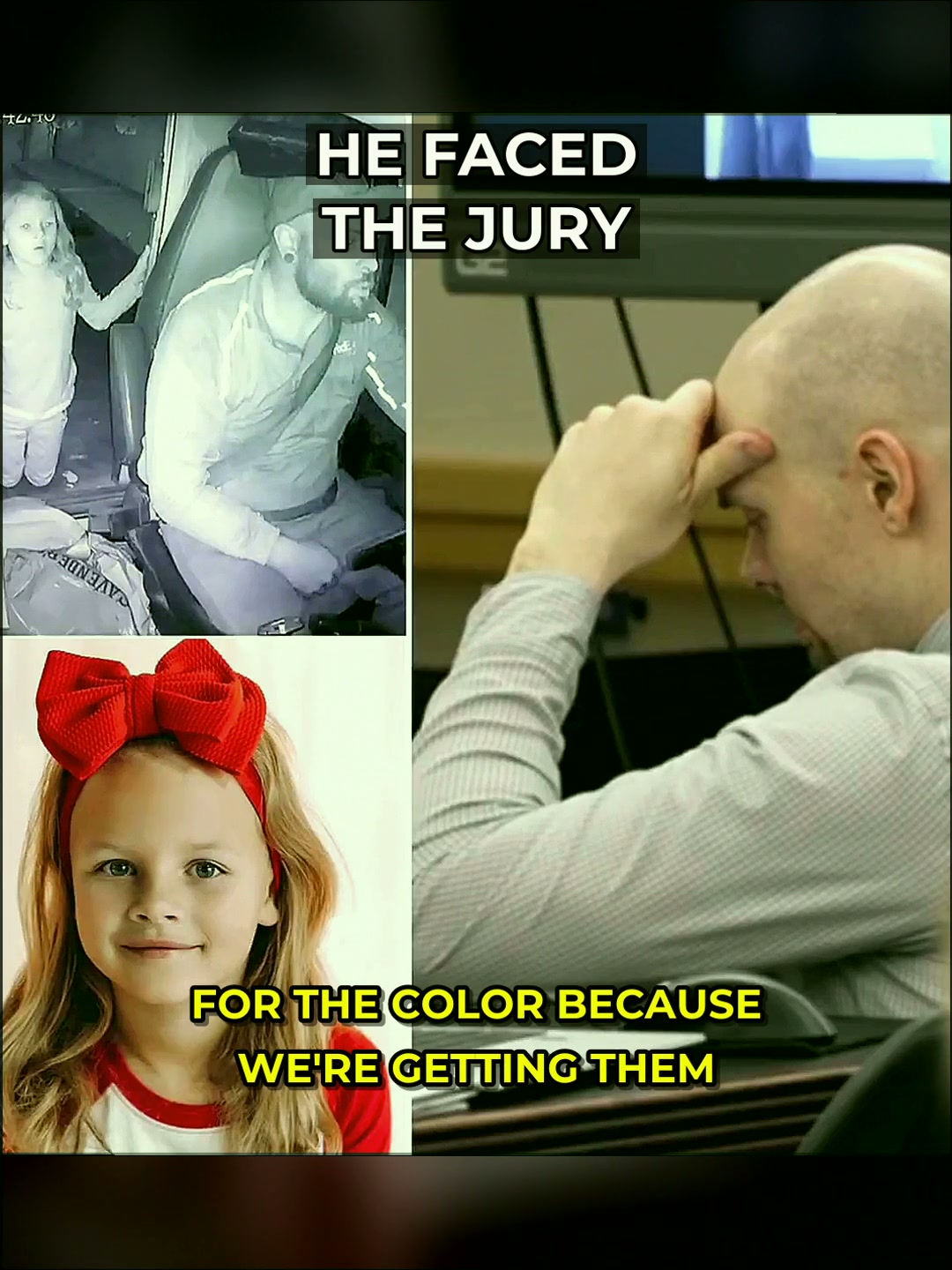
The haunting image of a little girl in a brown truck reveals a catastrophic failure in the system designed to protect her.
- A trusted delivery uniform was used to lure a child, raising urgent questions about contractor vetting standards.
- The legal system is now scrutinizing not just the accused driver, but the employment loopholes that allowed him on the road.
- Families are left wondering what “background checks” really mean when third-party contractors are behind the wheel.
The courtroom fell silent. A grown man, accused of the unthinkable, buried his face in his hands as the projector flickered to life. The image on the screen wasn’t just evidence; it was a gut punch to everyone watching. There she was, seven-year-old Athena Strand, standing inside the cab of a FedEx truck. The uniform was familiar. The smile on her face was trusting. But the man behind the wheel, Tanner Horner, is now accused of strangling her moments later.
This isn’t just a crime story. It is a raw, unflinching look at the machinery of trust we hand over to strangers every single day. We wave them into our neighborhoods, hand them our packages, and sometimes, tragically, they gain access to our children.

The details emerging from the court documents paint a sequence of events that feels ripped from a horror film, yet it happened in broad daylight in a quiet Texas town. Athena had been riding her bike near her home when she vanished. The subsequent search ended in devastation, but the how and why are what have shattered the community’s sense of security.
Horner, a contract driver for the shipping giant, was reportedly on his route when he encountered the young girl. According to the allegations, he lured her into his truck. The photo displayed in court shows Athena alive, standing in the vehicle, a moment frozen in time before the world collapsed for her family.
“She was a light in this world, and that light was extinguished by someone who was supposed to be delivering packages, not preying on our children.”
The Legal Precedent: Accountability Beyond the Uniform
This tragedy has ignited a firestorm of questions regarding employer accountability. FedEx has stated that Horner was employed by a third-party contractor, a common practice in the logistics industry designed to shield corporations from liability. But legal experts are now asking: does that shield hold up when a child dies?
The legal doctrine of “negligent hiring” is being thrust into the national spotlight. If the contractor failed to perform adequate background checks, or if FedEx failed to oversee the contractor’s vetting process, the financial and moral consequences could be astronomical. This is the unedited truth about the gig economy: the person at your door might not be an employee, and the screening they received might be dangerously superficial.

Court proceedings have revealed the defense strategy attempting to suppress the graphic nature of the evidence, arguing that showing the photos in color is unduly prejudicial. The prosecution, however, is pushing back, insisting that the jury must see exactly what the defendant saw. This legal tug-of-war highlights a grim reality: the pursuit of justice is often a battle over optics, even when the facts are horrifyingly clear.
The Silent Crisis of Workplace Vetting
Let’s be brutally honest. How many of us actually check the credentials of the people who knock on our doors? We see the logo, we see the uniform, and we assume safety. This case shatters that illusion with terrifying force. The question is no longer just about what happened to Athena, but about how many other drivers are on the road with a clean record that was never actually checked.
This is a sobering reminder of why you should always document everything. Why you should look at the truck, look at the driver, and trust your gut if something feels off. Common sense and basic respect are disappearing, but vigilance is the only defense we have left when the systems meant to protect us fail.
The image of Athena in that truck is now seared into the public consciousness. It represents the ultimate betrayal of trust. The accused now sits in a cell, but the family is left with a void that no verdict can fill. The community is left with a chilling question that echoes in the quiet streets: if we can’t trust the man in the brown truck, who can we trust?

The defense wants the photos in black and white, arguing the color is too inflammatory. But the prosecution is fighting to show the true reality. They are fighting to show that this wasn’t a blurry mistake; it was a vivid, conscious act. The courtroom is now the arena where the value of a child’s life is being weighed against the procedural rights of the man accused of taking it.
As the legal proceedings continue, the public is left to grapple with the gnawing anxiety that this could happen anywhere. The corporate responses are carefully crafted, the statements are polished, but the raw anger of a grieving mother cuts through the noise. She wants accountability. She wants the world to know that her daughter was not a statistic, but a victim of a system that allowed a monster to wear a mask of corporate legitimacy.
The judge will decide what the jury sees, but the court of public opinion has already rendered its verdict on the horror of the act itself. The only question that remains is whether the law will catch up to the reality of the danger lurking behind the convenience of home delivery. The silence in the courtroom was broken only by the sound of the defendant’s sobs, but for the family of Athena Strand, the silence of their empty home is a lifetime of punishment. The gavel will fall, but the fear will not recede. It is waiting, just outside the front door, wearing a familiar uniform.