The Unthinkable Morning: A U.S. Citizen’s Rights Under Fire
When a routine commute turns into a nightmare, the cracks in our legal protections become impossible to ignore.
- Every individual in the U.S. holds fundamental rights, regardless of citizenship status, during any encounter with federal personnel.
- Failure to identify oneself or present a warrant can be a clear violation of established federal protocols.
- Understanding your legal standing is the first line of defense against overreach, whether on the street or in the workplace.
Imagine this: you are sixteen years old, clutching a backpack, and heading to first period. The sun is up. The streets are familiar. Then, without warning, your world is flipped upside down by agents who never show a badge and never say their names. This is not a scene from a dystopian film. This is the reality one Houston family is living right now, and it is sending a chill through communities across the nation.
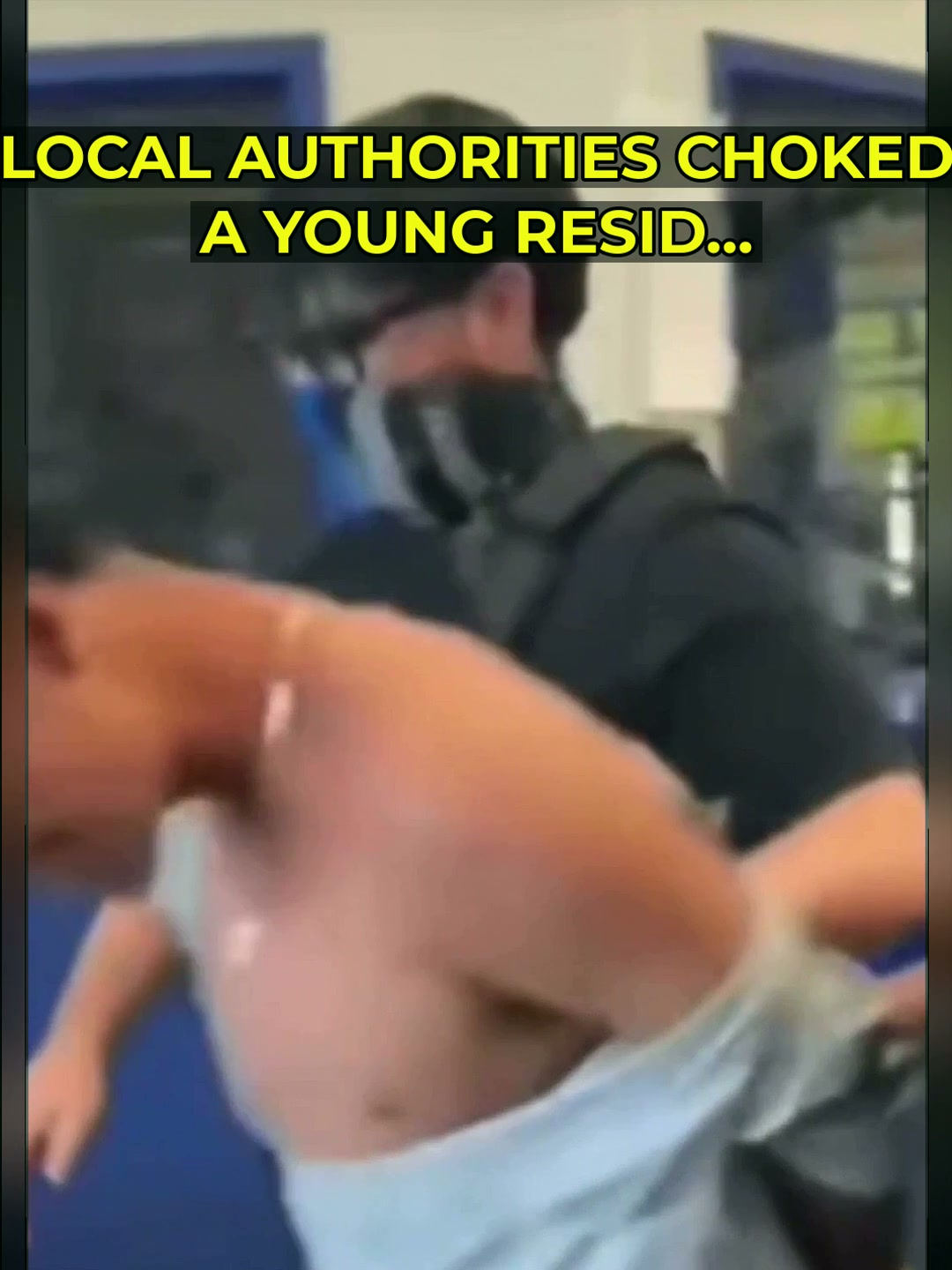
The incident, which unfolded as the teen made his way to school, has ignited a firestorm of outrage. The young man, a U.S. citizen born and raised in Texas, was allegedly thrown to the ground and restrained by federal agents. As if the physical force wasn’t terrifying enough, the officers are accused of hurling racial epithets at the boy and his father, who rushed to the scene. The most chilling detail? The authorities on the ground reportedly failed to identify themselves or produce a badge when questioned.
The Legal Precedent: What Protections Exist?
In the United States, the Constitution does not discriminate based on the color of your skin or the origin of your last name. The Fourth Amendment is clear: every person has the right to be secure in their persons against unreasonable searches and seizures. This is not a gray area. For a U.S. citizen to be physically detained without probable cause, and without proper identification being provided, is a staggering breach of protocol that demands scrutiny.
This incident goes beyond a single bad interaction. It highlights a terrifying reality for ordinary Americans: the systems designed to protect us can feel dangerously close to the ones we fear. When those in power operate without transparency, the average person—whether they are a student walking to class or an employee clocking in for a shift—is left vulnerable and confused about their own rights.
“If they can do this to a citizen on a public street in broad daylight, what is stopping them from doing it to you in the parking lot of your own job?”

Workplace Rights: The Overlooked Battlefield
While the Houston case is about a student, the core issue strikes a nerve with workers everywhere. The same lack of accountability that allowed this incident to happen is the fuel for employer overreach in offices, warehouses, and construction sites across the country. Wrongful termination, unpaid wages, and HR departments that look the other way are the silent crises plaguing the American workforce. If a federal agent can ignore the law, why would a mid-level manager with a quota to meet act any differently?
For workers, the fear is palpable. The unedited truth is that many employees do not know their rights. They do not know that they cannot be fired for reporting a safety violation. They do not know that their employer must pay them for all hours worked. This lack of knowledge is a breeding ground for exploitation. When you do not know the rules, you cannot play the game, and the house always wins.
The connection is clear: a society that tolerates overreach in one area will inevitably see it bleed into others. The teenager in Houston was heading to school to get an education. A worker in a factory is heading to work to put food on the table. Both are simply trying to live their lives with dignity and respect. When the lines of authority become blurred and accountability evaporates, the common citizen is the one who pays the price.
Documentation: Your Shield in the Dark
In this climate of uncertainty, the advice from legal experts is unanimous: document everything. If you are stopped by authorities, ask for their names and badge numbers. If you are disciplined at work for an unjust reason, write down every detail of the conversation. In a he-said-she-said situation, the one with the paper trail is the one who walks away with justice.
The family in Houston is now facing a long, arduous road to get answers. They are demanding accountability from an institution that has, so far, offered only silence. The local authorities have stated they are looking into the matter, but for the teen who was heading to school, the trauma is already done. The memory of being tackled on the way to biology class does not fade quickly.

This incident serves as a wake-up call about the fragility of our rights. It is a stark illustration that the protections we assume exist are only as strong as our willingness to enforce them. The father who watched his son being choked is now left with a choice: accept the injustice or fight back through the legal system. For the rest of us, the takeaway is simpler and more urgent: know your rights, because the moment you need them is the worst time to learn them.
The silence from the federal agency involved is deafening. No apology has been issued. No explanation has been given for why a U.S. citizen was treated like a criminal on his way to school. The community is left to wonder: if this is the standard of behavior, what happens when the cameras are not rolling? What happens when it is your child, your neighbor, or your coworker?
The question hangs in the air, unanswered. The legal filings are being prepared. The family is seeking justice, but the system is slow, and the memories are permanent. In the meantime, the streets of Houston are a little quieter, the students a little more cautious, and the rest of the country is left staring at the uncomfortable truth that the rules are only as good as the people who enforce them.