The Dover Detention Meltdown: A Lesson in Compliance, Consequences, and the Law
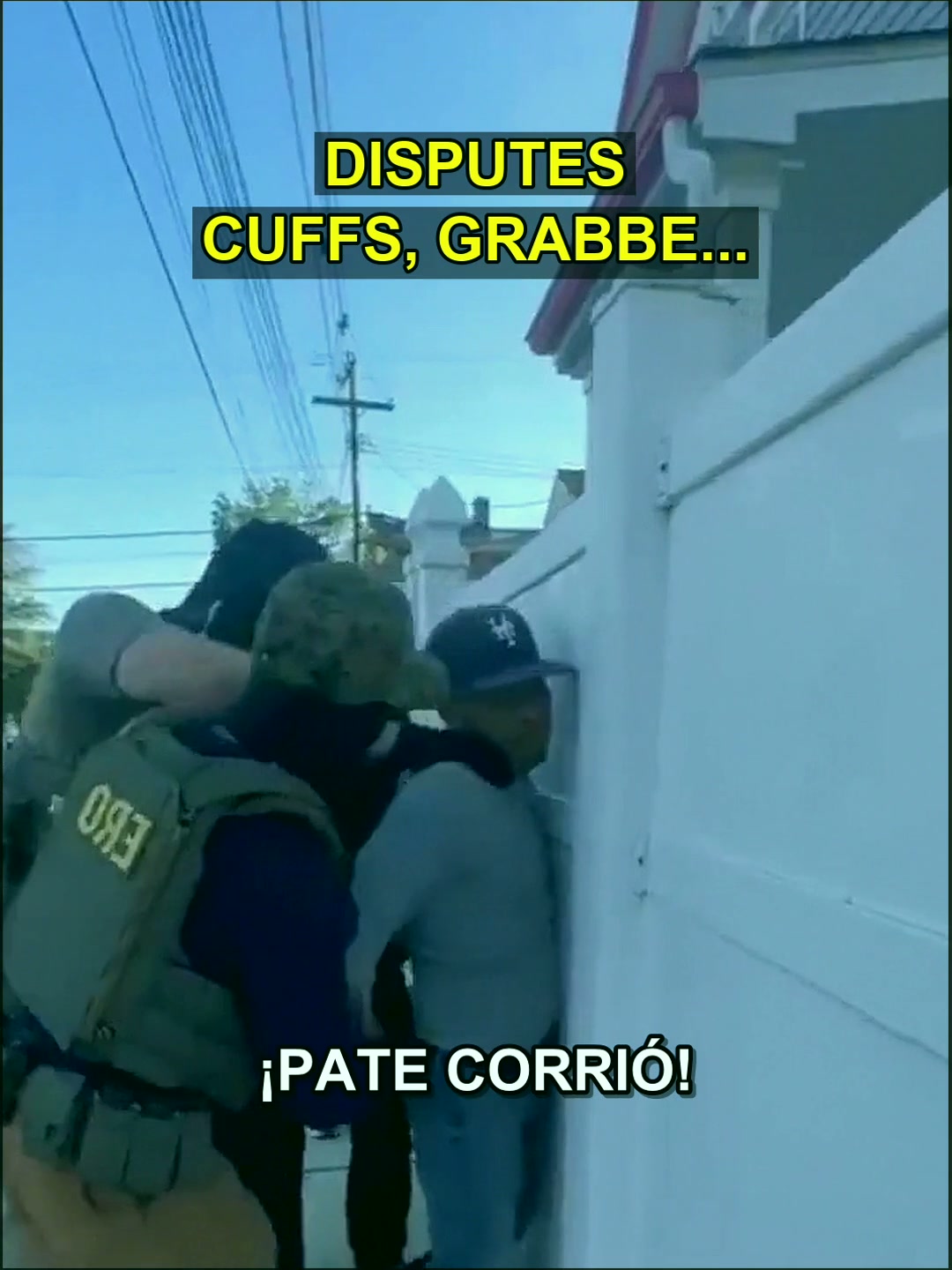
When federal agents move in, a screaming bystander and a thrashing subject turn a routine operation into a viral spectacle—and a stark reminder of how the rules really work.
- Physical resistance during a lawful detention escalates the situation rapidly, often leading to a rougher encounter than necessary.
- Bystander intervention, while emotionally charged, rarely changes the legal outcome and can add to the chaos.
- Understanding your rights and the importance of compliance is critical for anyone interacting with federal authorities.
The morning air in Dover, New Jersey, was supposed to be quiet. Instead, it was ripped apart by the shrill, panicked screams of a woman later identified only as “Lupe.” Her voice cut through the street like a fire alarm, shrieking, “Don’t hit him!” while a man—referred to in the viral clip as Juan—thrashed wildly against the firm grip of federal agents.
This wasn’t a movie scene. This was a Tuesday. And in the age of pocket cameras and instant uploads, this chaotic confrontation is now the internet’s latest flashpoint.
The video, which has spread like wildfire across social media, captures the sheer volatility of a routine federal operation gone sideways. But look closer, strip away the screaming, and you will find a far more uncomfortable truth about personal accountability and the law.
“Nobody is hurting him if he stops fighting the cuffs. That is not brutality. That is physics.”
The Blur of the Body Cam
The footage is grainy, shaky, and loud. But the sequence of events is unmistakable. Agents converge. Hands go out. Compliance is expected. Instead, there is resistance.
Every time an agent attempts to secure the situation, Juan pulls away. His body goes rigid. His arms twist. The struggle escalates, forcing the agents to increase their level of force to match his resistance. It is a brutal, simple equation of cause and effect.
This is not a scene of unprovoked aggression. It is a textbook example of what happens when an individual refuses to cooperate with a lawful order. The law does not require an officer to negotiate. It requires compliance, and the consequences of refusing that compliance are immediate and physical.
The Legal Precedent
In the United States, the legal standard for the use of force by law enforcement is governed by the principle of “objective reasonableness,” established by the Supreme Court in Graham v. Connor. This standard dictates that force is judged based on what a reasonable officer would perceive at the moment, not with the luxury of hindsight.
If a subject is actively resisting, flailing, and attempting to pull away, the officer’s perception of threat and the necessity of force increases proportionally. The screaming of a bystander does not alter this legal calculus. It does not grant the subject immunity from the physical process of being handcuffed.
While the bystander, Lupe, screams “Don’t hurt him,” she is inadvertently escalating the tension. Her emotional outburst, while perhaps well-intentioned, creates a more chaotic environment, making it harder for the subject to hear commands and easier for him to misinterpret the situation as an attack.

The High Cost of Thrashing
Here is the unedited truth: the fight is the problem. The cuffs are not a punishment; they are a procedure. When Juan thrashes, he is not resisting the agents. He is fighting the inevitable, and in doing so, he is multiplying the risk of injury to himself.
Every twist of the torso, every yank of the arm, increases the chance of a joint being twisted, a muscle torn, or a head striking the pavement. The agents are trained to control the situation. The subject is only trained to survive it. When those two goals clash, the result is often ugly.
This incident serves as a sobering reminder of why you should always document everything, but also why you should comply first and ask questions later. The street is not a courtroom. A lawful order must be obeyed, and the argument must be saved for a judge, not a sidewalk.

The Bystander’s Fatal Mistake
Lupe’s role in this drama is a tragic one. She believes she is protecting Juan. In reality, she is pouring fuel on a fire. Her screams, “Mami, ya, ya!” (Mom, enough!) are directed at a person who cannot stop because he is fighting a biological war against restraint.
Her voice does not carry the weight of the law. It carries only the weight of panic. And panic is contagious. In a situation that requires cool heads and steady hands, panic is the one variable that guarantees a worse outcome.
The reality is that if Lupe had stayed silent, and if Juan had placed his hands behind his back, this entire encounter would have lasted forty-five seconds. Instead, it lasts for minutes, is broadcast to millions, and becomes another notch in the divisive discourse surrounding federal operations.

The Uncomfortable Question
We are living in an era where every action is recorded and every recording is judged. But the judgement is often clouded by emotion. We see a man on the ground and a uniformed agent above him, and we instinctively recoil. We forget to ask the most important question: What did the man do in the thirty seconds before the camera started rolling?
In this case, the answer is clear. He fought. He thrashed. He ignored the commands. And in a society governed by laws, that is never a winning strategy.
The agents in Dover were doing their job. The subject was testing the limits of that job. And the only thing that was truly “hurt” in that moment was the illusion that physical resistance is a viable defense against federal authority. It is not. It never has been. And for Juan, the fight is likely just beginning.