The Crossroads of Conscience: Inside the Dover Standoff That Stopped a Nation’s Pulse
A human tide meets a political storm as hundreds blockade Britain’s gateway to Europe, forcing a raw conversation about borders, belonging, and the breaking point of a community.
- The Port of Dover blockade represents a boiling point in the national conversation over immigration policy and border security.
- Protesters, organized and visually striking in black with crosses, aimed to halt traffic to demand action on small-boat crossings.
- The event underscores the deep emotional divide between humanitarian concerns and national sovereignty—a conflict now playing out in everyday lives.
The morning ferry horn blared, but no one moved. Not the cars lined up for miles, not the trucks hauling perishable goods, and certainly not the silent, disciplined sea of black-clad figures blocking the entrance to the Port of Dover. They stood there, crosses glinting against dark fabric, staring down the idling engines of commerce. It was a scene that looked ripped from a political thriller—except it was real, and it happened on British soil.
This was not a random act of chaos. It was a calculated, deeply symbolic standstill. Several hundred protesters, united by a singular, unshakeable belief, effectively switched off the power supply to Britain’s busiest passenger port. Their target? The steady stream of small boats crossing the English Channel, carrying migrants who have become the flashpoint of a national crisis.
As the traffic ground to a halt, the atmosphere was electric. On one side, frustration boiling over in the cabs of lorries. On the other, a chilling calm from the demonstrators who claim they are fighting for the soul of their country. The scene was less a protest and more a collision of two different realities.

The Chokepoint of a Nation’s Anxiety
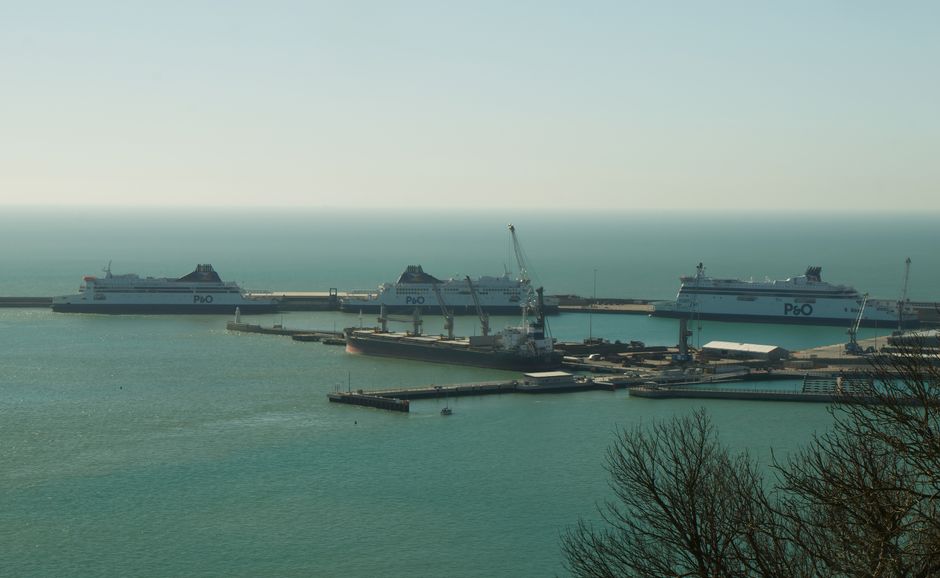
Dover is not just a town; it is a threshold. Standing just 21 miles from the coast of France, it is the psychological and logistical front door to the United Kingdom. When you close Dover, you don’t just delay a ferry; you sever a lifeline. The protesters knew this. They understood that to make the nation listen, they had to make the nation feel the pinch.
Witnesses described a surreal quietness where there should have been the roar of heavy goods vehicles. Families on summer holidays sat in stunned silence, their plans evaporating in the heat. The disruption was immense, but the message was singular: the status quo at the border is no longer acceptable to a significant portion of the public.
This is where the narrative splits. To those watching from the outside, this was a disruption of daily life. But to the participants, it was a desperate act of civic intervention. They brought with them not just their bodies, but a visual language of martyrdom—the crosses around their necks serving as a stark symbol of sacrifice for a cause they see as existential.
“They are not just crossing a border; they are crossing a line that many believe should hold the fabric of society together. This is about the kind of future we are leaving behind.”
The Human Cost on Both Sides of the Barrier
While the politics are polarizing, the human reality is messy. On the ground, the blockade created a pressure cooker of emotions. Lorry drivers, already battling tight schedules and thin margins, faced hours of lost income. Passengers with medical appointments in France were turned away. The ripple effect of the shutdown was immediate and visceral, turning abstract policy debates into a tangible nightmare for ordinary people just trying to get to the other side.
Yet, the protesters argue that the real humanitarian crisis is happening on the water. Every day, fragile inflatable boats crammed with men, women, and children attempt the treacherous crossing. They point to the thousands who have made the journey this year alone, arguing that the lack of a robust deterrent is turning the Channel into a deadly highway. For them, the blockade was a moment of high-octane reality check, forcing the nation to look at a problem that many would rather ignore.
One local business owner, watching the standoff unfold, expressed a frustration that resonated with the crowd: “We are a port town. We welcome the world. But we cannot welcome the chaos. There has to be a rule of law, and right now, it feels like the law is being written by the smugglers.”
The Legal Precedent and the Unanswered Question
This event forces a critical look at the legal framework governing such protests. While the right to assembly is a cornerstone of democracy, the right to movement and commerce is equally protected. The blockade at Dover walks a fine line between lawful demonstration and unlawful obstruction. Authorities are now reviewing hours of footage to determine if the protest crossed from expression into economic sabotage.
Legal experts suggest that while the protest was peaceful, the sheer scale of the economic damage—estimated in the millions due to halted freight and cancelled crossings—could open the organizers up to civil lawsuits. The precedent is clear: the courts have historically sided with the right to protest, but they have also punished those who intentionally inflict severe economic harm on third parties who have no connection to the grievance.
This leaves the protesters in a precarious position. They achieved their goal of national visibility, but they may have also handed their opponents a legal weapon to dismantle future actions. The question now becomes whether the visual impact of the blockade outweighs the legal consequences that are likely to follow.
A Community at the Breaking Point
Beyond the headlines and the legal jargon, there is a deeper, more uncomfortable story about community. Dover has become a town under siege from all sides. It is the first stop for those fleeing war and poverty, and it is the stage for those who feel their culture is being diluted. The town hall meetings are tense, the streets are divided, and the neighbors are looking at each other with suspicion.
What happened at the port was not an isolated incident; it was the eruption of a pressure that has been building for years. The residents of Dover are not just spectators to the migration crisis; they are the unwilling hosts. They see the hotels being converted into processing centers, they see the strain on local services, and they feel the eyes of the nation judging them for their reactions.
The blockade was a raw, unfiltered expression of this exhaustion. It was a plea for help framed as an act of defiance. But in a world where nuance is often lost in the noise, this act of desperation may only serve to widen the chasm between the public and the policymakers who seem unable to offer a solution that satisfies anyone.
The sun began to set over Dover, casting long shadows across the motionless tarmac. The protesters, their point made and their voices heard, began to disperse slowly. But the cars remained parked, the ferries remained docked, and the question hung in the air like the sea salt: What happens tomorrow when the boats keep coming, and the patience has run out?
The blockade is over, but the standoff has only just begun. The silence at the port was broken by the roar of engines finally restarting, but the deeper silence—the one where common sense and compromise should reside—remains deafeningly empty. The community is left to pick up the pieces, wondering if anyone in power is actually listening, or if the only language that gets heard is the language of disruption.