The Power of Love vs. The Machinery of Power: Inside Vermont’s Faith-Led Standoff
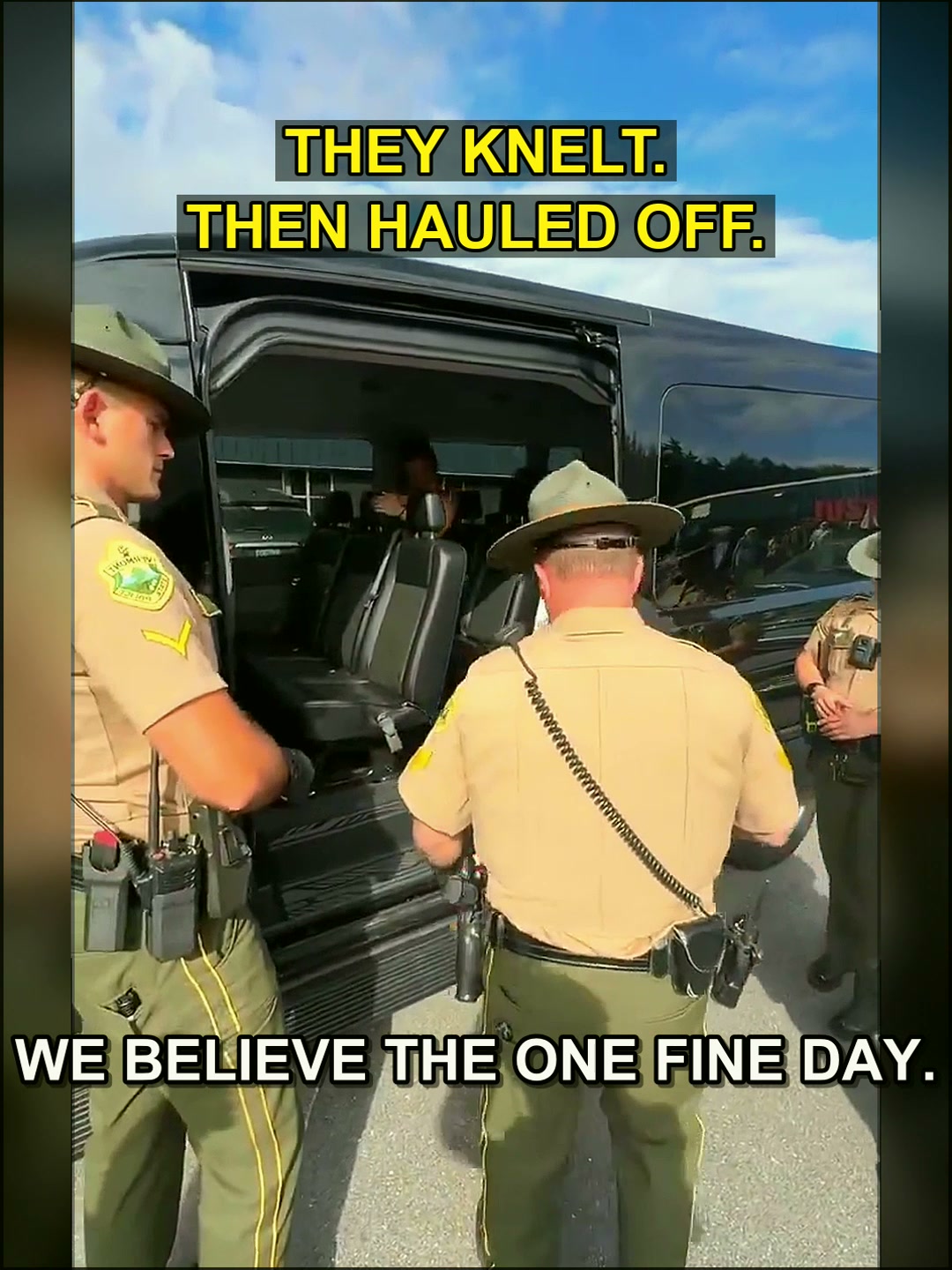
When hymns become a barricade: The human story behind the Williston blockade and the promise of a movement that refuses to stay quiet.
- A coalition of Vermont clergy turned a routine morning into a spiritual standoff outside a federal facility in Williston.
- The demonstration was a deliberate act of conscience, not chaos—participants knelt, prayed, and sang until they were physically carried away.
- Organizers are vowing to expand their peaceful resistance in the weeks leading up to the elections, putting communities on notice.
The morning air in Williston was crisp, the kind of quiet that usually belongs to small-town New England. But on this day, the silence was shattered—not by sirens, but by the unmistakable swell of human voices raised in song. A group of Vermont’s most visible faith leaders had planted themselves squarely in front of an ICE facility, transforming a cold driveway into a sanctuary of defiance.
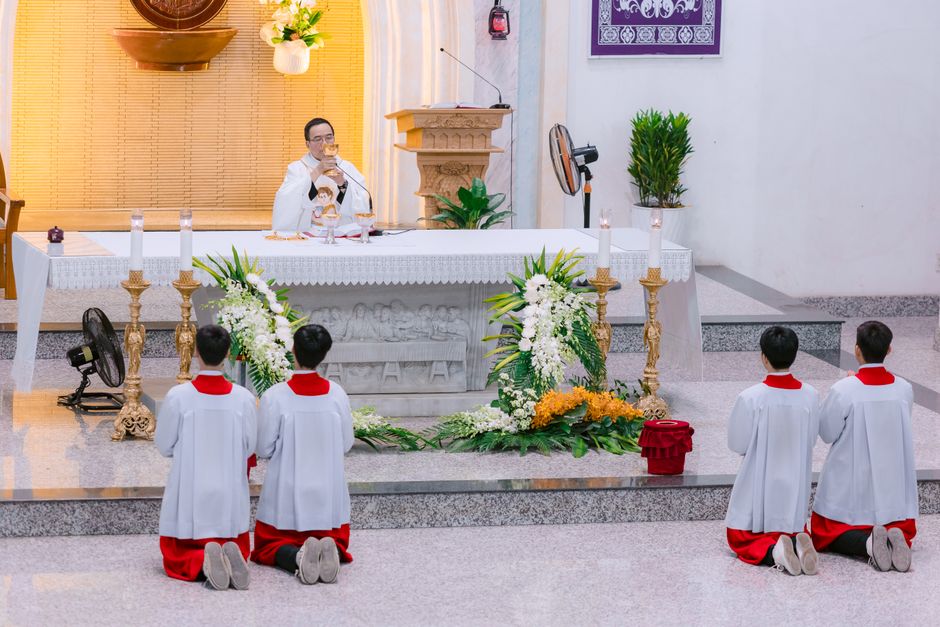
They knelt on the hard pavement, a patchwork of collars, robes, and practical shoes. They sang hymns that echoed off the federal walls. They read names—names that represent real people, real families, real neighbors who live in the shadows of this state.
And then, one by one, they were carried away. Not roughly. Not violently. But with the quiet, clinical efficiency of a system that has done this before. The scene was equal parts liturgy and logistics.
A Choir That Refused to Stop
Witnesses described the atmosphere as surreal. There was no shouting, no scuffling. Just the steady cadence of a hymn, repeated like a heartbeat: “That the power of love will rise above the love of power.”
It is a phrase that cuts to the core of the moment. Here were men and women of the cloth, who have spent their careers counseling patience and peace, choosing to use their bodies as the very obstacle the state could not ignore. They were not there to incite. They were there to interrupt.
“We love you. We believe the one fine day… that the power of love will rise above the love of power.”
This was not a spontaneous outburst. This was a calculated, spiritual act of civil disobedience. The kind that has deep roots in American history, from the abolitionists to the civil rights marchers. The kind that forces a community to look at itself and ask: what are we willing to tolerate?
For the authorities tasked with managing the scene, it was a logistical puzzle. You cannot negotiate with a prayer circle. You cannot reason with a hymn. You can only wait for the knees to tire, or you can lift the bodies and move them.
The Promise of More
But the most striking part of this story is not what happened on the pavement. It is what happened after. As the last demonstrator was lifted from the ground, the leaders who remained did not fold up their banners and go home. They looked directly into the cameras and made a vow.
They promised bigger civil disobedience before the elections. They promised that this was merely a rehearsal for a larger movement that intends to make the moral case against the machinery of immigration enforcement, one song at a time.
This is the moment where the story shifts from a local news blurb to a national conversation about justice and accountability. The question hanging in the air is not whether the blockade was legal—it was clearly a violation of federal property rules. The question is whether it was righteous.
To the supporters who cheered them on from the sidewalks, this was a profile in courage. To the critics watching from afar, it was a spectacle of misplaced priorities. But to the families who live in the crosshairs of immigration policy, it was a sign that they are not alone.
What This Means for the Rest of Us
It is incredibly frustrating to see people act like the rules don’t apply to them. But it is also a sobering reminder of why we must always document everything. In an era where every action is filmed and every word is parsed, the line between protest and performance is getting thinner.
The “very dramatic. Very photogenic.” nature of the event did not go unnoticed online. Some mocked the theatricality. Others praised the bravery. But underneath the commentary lies a deeper truth about human resilience and the lengths people will go to for what they believe in.
As the dust settles on the Williston driveway and the last hymn fades into the wind, the promise of larger actions looms. The elections are approaching. The rhetoric is heating up. And a group of people who believe that love is a political weapon are sharpening their voices.
They were carried away today. But they are walking back tomorrow. And they are bringing more people with them.
The one fine day they sing about—that day may not be here yet. But they are determined to keep singing until it arrives.