The Badge Grab That Could Become a Legal Nightmare: When Workplace Authority Crosses the Line
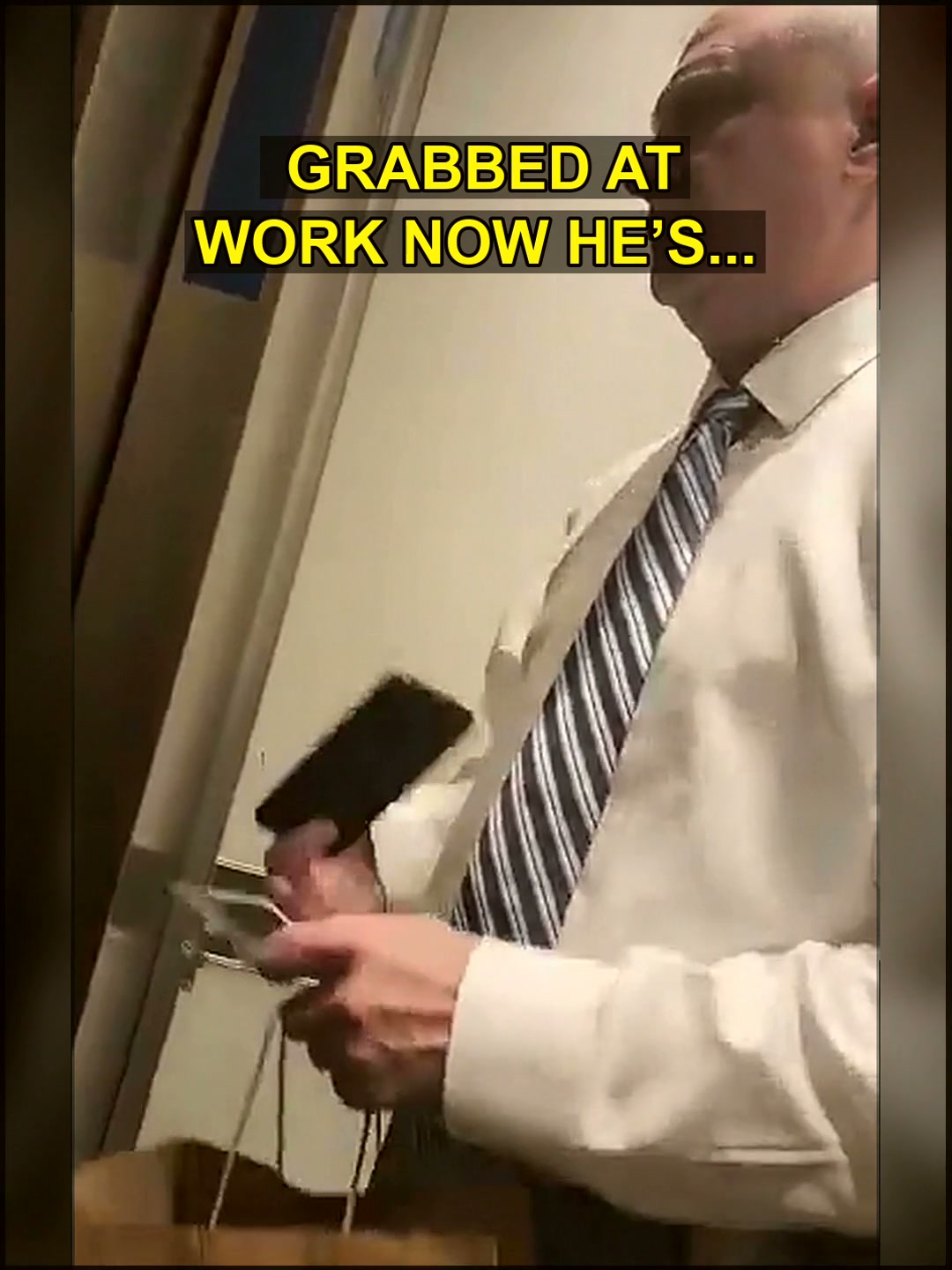
A simple lunch order turned into a physical confrontation over a security badge, leaving one employee humiliated and asking a critical question: Where does workplace authority end and personal rights begin?
- Physical seizure of personal or work-issued property during a dispute may constitute harassment and potential grounds for a civil claim.
- Employees who experience forcible restraint or property grabbing should document the incident and report it through formal supervisory channels before considering legal action.
- Personal injury law extends beyond physical harm, covering emotional distress and unlawful restraint in workplace settings under specific conditions.
Picture this: You are hungry, you ordered lunch online, you paid for it, and you walk into the building to grab your meal. Then, someone you barely know stops you dead in your tracks, demands to know how you got in, and snatches the badge right off you. Not asking. Not explaining. Just grabbing.
That is exactly the scene unfolding in a now-viral workplace confrontation that has everyone asking the same uncomfortable question: Who gave this person the right to put their hands on someone else’s property? And more importantly, what happens next when the badge is not returned?
The video captures a tense exchange where one employee, clearly holding a position of perceived authority over badge access, refuses to return a badge after physically taking it. The badge holder repeatedly insists, “I’m not moving until you give me my badge back,” while the other party coldly responds, “You’re not getting your badge back.”

The reason for the employee’s presence? Entirely innocent. They ordered, they paid, and they simply wanted to collect their lunch. Yet, in a split second, they found themselves in a power struggle that felt less like corporate protocol and more like a playground shakedown.
The Fine Line Between Security Protocol and Physical Harassment
Here is where the situation transforms from an awkward office moment into a potential legal matter. When someone physically grabs property from another person, regardless of the setting, the conversation shifts dramatically. This is not about policy enforcement. This is about unwanted physical contact and the forceful taking of personal or work-issued items.
In legal terms, this scenario brushes against several uncomfortable categories. First, there is the question of harassment. If the employee felt intimidated, humiliated, or physically violated by having their badge forcibly removed, that emotional distress is real and documented. Second, there is the issue of false imprisonment or unlawful restraint, even if brief, because the employee stated they would not move until the badge was returned, creating a standoff they could not win without abandoning their property.
The employee in the video appears stunned, repeatedly asking how the other person even entered the space with their badge. The response? A dismissive insistence on authority. But here is the uncomfortable truth: authority does not grant the right to physically touch another person or their belongings without consent.
The Legal Precedent and What It Means for You
Courts have consistently held that workplace disputes involving physical contact, even without visible injury, can cross into civil liability territory. The key factors are intent, consent, and the reasonable perception of threat. If an employee reasonably believes they cannot move, cannot retrieve their property, and cannot leave without facing further confrontation, that is a legally significant moment.
For the badge holder, the argument is straightforward: “I am responsible for these badges.” But responsibility does not translate into the right to lay hands on a colleague. Standard protocol would involve asking the employee to leave, contacting a supervisor, or documenting the access violation. Physical seizure is a dramatic escalation that opens the door to claims of assault, battery, or intentional infliction of emotional distress.
“I’m not doing anything until you give me my badge back. I’m not moving until you give me my badge back.”

This moment, captured on video, is every employee’s nightmare. You show up to do something routine, and suddenly you are in a confrontation where your property is being held hostage by someone who believes rules do not apply to them.
What Should the Employee Do Next? A Roadmap for Accountability
The immediate reaction for anyone in this situation is shock. But the aftermath is where the real strategy begins. The first step is not a lawyer. The first step is documentation. Write down exactly what happened, when it happened, and who witnessed it. Preserve any video evidence. Then, schedule a formal meeting with the direct supervisor of the individual involved.
If that supervisor fails to act, or worse, sides with the badge grabber, the situation escalates to human resources. If HR response is inadequate or retaliatory, that is when a personal injury lawyer becomes essential. The legal framework around workplace harassment and property disputes is designed to protect employees from exactly this type of authoritarian overreach.
The broader concern here is a pattern of behavior that many employees recognize all too well. It is the person who wields their minor authority like a weapon, who confuses policy enforcement with personal power, and who believes that a badge or a title gives them the right to physically impose their will on others. This is not accountability. This is bullying dressed up as procedure.

The employee in the video paid for their lunch. They had every right to be there to collect it. The badge was the key to that access. When someone forcibly removes that key, they are not just enforcing security; they are stripping away the employee’s ability to function in that space, and that has consequences.
For the onlookers, and for anyone watching this video, the lesson is uncomfortable but necessary. Common sense and basic respect are truly disappearing in some corporate cultures. The rules exist for a reason, but they do not exist to empower one person to physically dominate another. The badge is property. The person is a human being. And the line between the two is where legal liability begins.
The question now is whether the employee will take the next step, file the formal complaint, and if necessary, seek legal counsel. Because in the end, the badge was returned? Or is it still sitting in someone else’s pocket, a symbol of unchecked authority and a lawsuit waiting to happen?