The Quiet Takeover of a Liverpool Hotel: One Man’s Camera Exposes What Taxpayers Are Funding
When a local resident steps inside a familiar building and finds it completely transformed, the questions he asks are the ones officials hoped no one would voice.
- A familiar Liverpool hotel has been quietly converted into state-funded migrant housing with little public notice.
- The private contractor running the facility, Serco, has a track record of opaque operations and public scrutiny.
- Community members are demanding answers about who is housed there, at what cost, and why local voices were excluded from the decision.
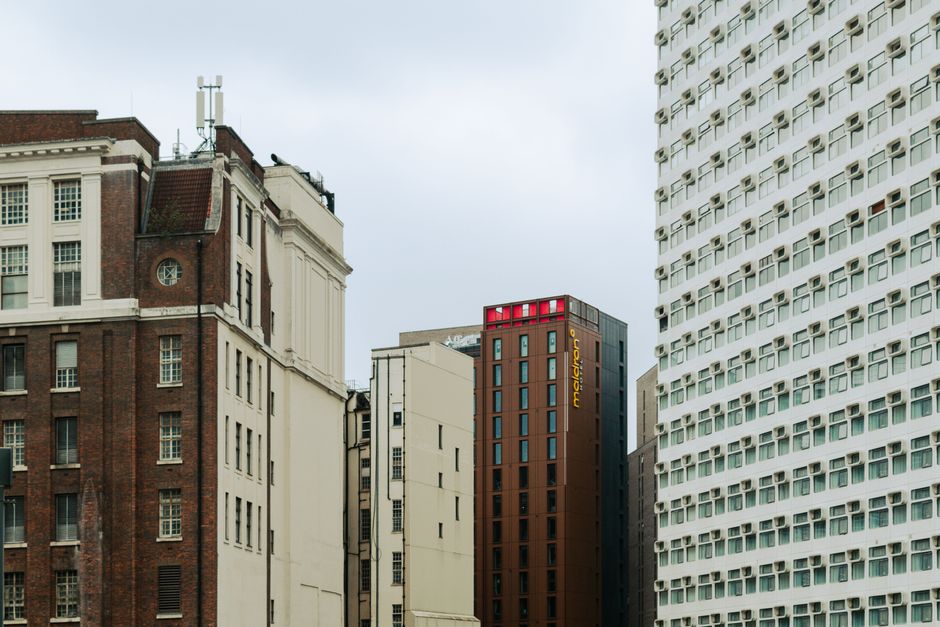
Imagine walking into a hotel you stayed at five years ago, only to find it is no longer a place for tourists. The lobby is the same. The corridors are the same. But the purpose has shifted entirely, and no one in the neighborhood was given a say.
That is exactly what happened to one young British man in Liverpool. He stepped through the doors of a building he remembered from 2020, and what he found inside has sparked a firestorm of questions about accountability, transparency, and the direction of taxpayer-funded housing programs.
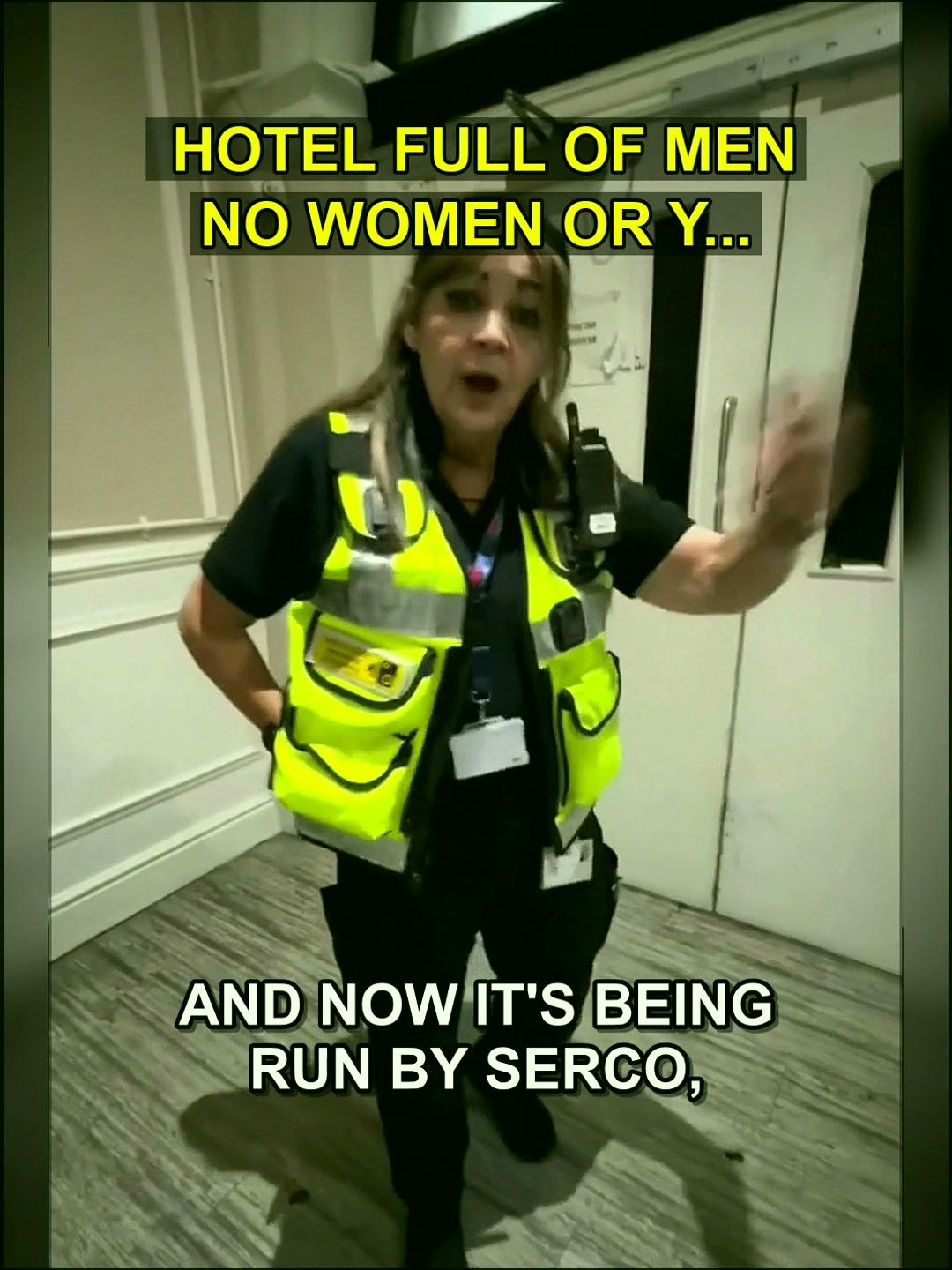
The man, filming for his own protection, encountered staff who seemed less than pleased by his presence. “Are you filming?” one asked. His response was calm but firm: “Yes, I’m filming for my safety and your safety.”
What followed was a tense exchange that revealed a deeper truth about how these facilities operate. The staff demanded he stop recording. He refused. And in that refusal, he exposed a system that appears to operate on secrecy rather than openness.
The Contractor at the Center of It All
Serco, the private company now running the hotel, is no stranger to controversy. This is a corporation that has repeatedly found itself in the spotlight for its handling of public contracts, from transportation to immigration services. Critics have long argued that private firms profiting from government contracts lack the incentives to prioritize human dignity or community relations.
Here, in Liverpool, the pattern repeats. A hotel that once hosted travelers now hosts hundreds of men of military age, with no women and no children present. The optics are striking. The questions are obvious. And yet, local residents were apparently never consulted.
The man’s video captures a moment that many Britons are beginning to recognize: the feeling of being a stranger in one’s own country. He is not a politician. He is not an activist. He is simply a citizen who wanted to understand what was happening in his community, and he was met with resistance at every turn.
The Legal Precedent and the Right to Ask Questions
Under UK law, there is no blanket prohibition on filming in public or semi-public spaces. The man’s insistence on recording was not just a personal choice; it was an exercise of his legal rights. The staff’s demand that he stop filming, and their assertion that “you can’t say I’ve said anything that I haven’t said when the police arrive,” reveals a defensive posture that raises further concerns.
Why would a facility housing people under government contract fear public scrutiny? What are they trying to hide? These are the questions that demand answers, not deflection.
“How can you tell me that off?” the man asked, as staff attempted to shut down his recording. It is a question every citizen should be asking of every institution that operates in their name.
The broader issue here is not about the individuals housed in these facilities. It is about the process. It is about a government contracting system that prioritizes speed and cost over community input and common sense. It is about a private company that profits from public money while refusing to answer basic questions.

The Cost of Silence
When communities are kept in the dark, resentment festers. The lack of transparency around facilities like this one does not create harmony; it creates suspicion. And suspicion, left unchecked, leads to division.
The young man in Liverpool did what many would not have the courage to do. He walked in, he asked questions, and he recorded the responses. His actions have ignited a conversation that officials likely hoped would never happen.
What happens next is uncertain. Will local authorities address the concerns raised? Will Serco provide clarity about its operations? Or will this be yet another instance where the system closes ranks and hopes the public loses interest?
The camera was on. The footage exists. The questions are now public. And in a democracy, that is precisely how accountability is supposed to work.