The Loudest Word in Baltimore: When Saying “Stop” Is the Only Power Left
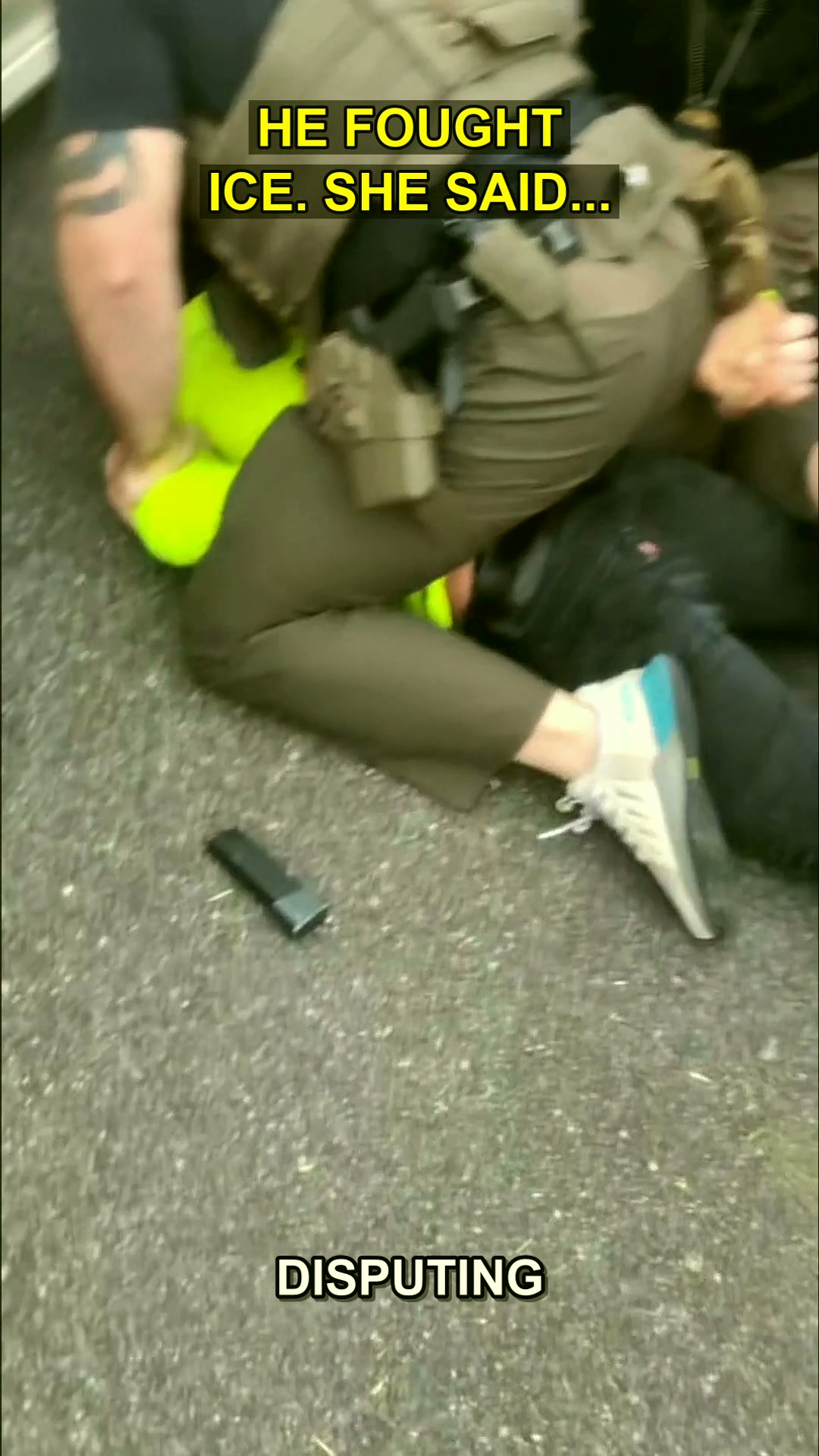
A sidewalk dispute turns into a raw lesson on consequences, legal process, and the quiet cost of ignoring common sense.
- Witnessing a federal custody dispute in public is jarring, but the real story is what happens next in the legal system.
- Family members on the scene often face an impossible emotional loop: begging for calm while having zero legal authority to change the outcome.
- Community accountability starts after the video ends, with victim rights, legal aid resources, and the slow grind of due process.

There is a specific sound of helplessness that echoes down a Baltimore street. It is not a scream. It is a loop. A single phrase, repeated with the desperate rhythm of someone trying to manually restart a stopped heart.
“Stop fighting. Stop fighting. Stop fighting.”
The voice belongs to Shaniqua. The man she is yelling at is Eric. And the scene unfolding in front of a row home is the kind of raw, unedited truth that makes neighbors duck behind their curtains and wonder if the rules actually apply to anyone anymore.
Federal agents are attempting to take Eric into custody. He has decided, in what must have felt like a split-second of invincibility, that the physical struggle is the right move. It is not. It almost never is.
The Emotional Trap of the Sidewalk Spectacle
Let us be brutally honest about what happens when someone decides to resist a lawful process. The person resisting believes they are making a stand. Everyone watching from the curb—especially the people who love them—sees a freight train moving at full speed with no brake lever in sight.
Shaniqua was not cheering. She was not filming for clout. She was standing on the pavement, watching a man she clearly cares about make the worst calculation of his life, and all she had was a voice that was growing hoarse from repeating the same warning.
“Stop fighting. Stop fighting.” The repetition was not a lack of intelligence. It was the sound of a person realizing they have zero control over a situation that is about to swallow someone whole.
Here is the part that does not make the initial clip. The physical struggle lasts seconds. The consequences last for years. Resisting federal custody is not a misdemeanor moment that gets wiped away with a fine and a handshake. It is a multiplier. It takes a bad situation and turns it into a legal labyrinth that requires lawyers, patience, and a serious dose of humility to navigate.
The Legal Precedent: Why Resistance Is a Losing Bet
There is a misconception floating around that if you simply refuse to comply, the system will give up. That is a dangerous myth. Federal agents are not deterred by a scuffle. They are trained to complete the task, and when the task is interrupted by physical resistance, the charges stack higher.
What starts as a single allegation can quickly expand into multiple counts. The legal process is not forgiving to those who turn a routine matter into a public spectacle. The courts have seen every excuse, every justification, and every desperate plea. The tape does not lie.
For the family watching, the aftermath is a cold plunge into the justice system. They are left to figure out how to post a bond, how to find an attorney, and how to explain to children why daddy is not coming home tonight.

The Real Cost of a Bad Decision
Let us talk about the cheap labor comment that was made in the original caption. It was dismissive, crude, and entirely beside the point. This was not about employment. This was about a human being making a catastrophic choice in real-time while someone who cared about him screamed the obvious truth from the sidelines.
Shaniqua was not angry because she was losing a worker. She was angry because she was watching a man throw away his freedom for a few seconds of misguided pride. That is not a high-IQ move. That is a panic response dressed up as bravado.
What does justice look like after a scene like this? It looks quiet. It looks like a courtroom where the bailiff calls the docket and the judge reads the charges in a monotone voice. It looks like a public defender carrying a caseload that would break a lesser human. It looks like a family sitting in the gallery, holding their breath, hoping for a miracle that rarely comes.
For the community watching from the outside, the takeaway is uncomfortable. Accountability is not a hashtag. It is a process. It is showing up to the hearing. It is calling legal aid when you cannot afford a private attorney. It is demanding that the system actually work, not just for the accused, but for the victims of the original incident that started this whole chain of events.

What Resources Exist When the Cameras Leave
For those who find themselves in Shaniqua’s shoes—standing on a curb, watching a loved one get taken away—the silence after the vehicle leaves is deafening. The first call should not be to a friend. It should be to a criminal defense attorney or a legal aid society. In Maryland, organizations like the Maryland Legal Aid Bureau exist specifically for individuals who cannot afford representation.
There are also community-based support networks that focus on reentry and family stability. The moment of arrest is not the end of the story. It is the beginning of a long, bureaucratic marathon that requires paperwork, deadlines, and a clear head.
But here is the unedited truth that no one wants to hear: the best resource is prevention. The single most effective way to avoid the nightmare of the legal process is to not create the physical struggle in the first place. Compliance is not weakness. It is strategy. It is recognizing that the fight is not on the sidewalk; it is in the courtroom, where arguments are won with evidence, not with elbows.
Shaniqua understood that. She was screaming it. Eric did not listen.
And now, the rest of the story will be written by judges, clerks, and a docket sheet that does not care about pride, ego, or the fleeting thrill of a viral moment.
The video ends. The consequences do not.