The Night the Popcorn Went Flying: A Community’s Sobering Glance at Teenage Chaos
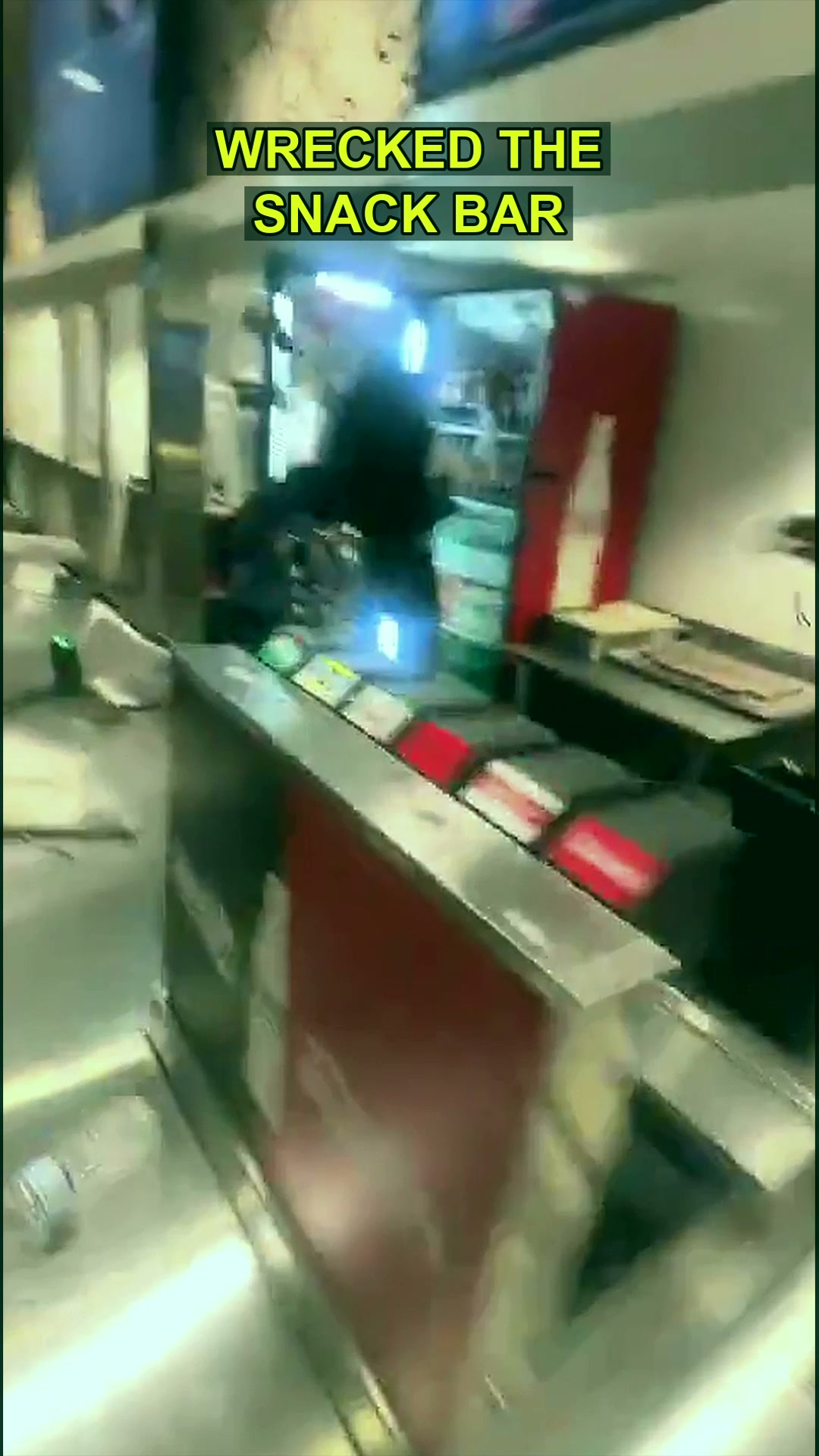
When a night out at the movies turned into a viral spectacle of destruction, the real story isn’t just about the mess left behind—it’s about the awkward silence of the crowd and the crumbling standards of public behavior.
- The viral clip highlights a growing discomfort with public rowdiness, leaving many to wonder where basic respect for shared spaces went.
- Bystanders faced a modern dilemma: intervene in the chaos or pull out a phone to capture the unedited truth for the internet.
- The incident sparks a broader conversation about community accountability and the consequences—or lack thereof—for destructive behavior in entertainment venues.
It was supposed to be a simple escape—a bucket of buttered popcorn, a dark theater, and two hours of cinematic magic. Instead, patrons at one local multiplex got a live show they didn’t pay for, as a group of teenagers turned the concession stand into a battlefield of flying candy and shattered displays.
The footage is hard to watch, not because of the violence, but because of the sheer, senseless waste. Napkins tossed like confetti. Plexiglass barriers knocked down. A floor that looked like a tornado hit the snack aisle. All of it, captured on shaky cell phone video, leaving the internet to ask one burning question: Why?

The Spectacle Nobody Asked For
Let’s be clear about what happened here. This wasn’t an accident. It wasn’t a clumsy spill. This was a deliberate, almost theatrical trashing of a space that employees work hard to keep clean. The body language in the video screams entitlement—a sense that the rules of common decency simply don’t apply to this group.
You see it in the way they swipe items off the counter. You see it in the casual stroll away from the wreckage. It’s a performance for the cameras, a desperate grab for attention in a world that rewards the most outrageous clip.
But the most chilling part of the video isn’t the destruction itself. It’s the reaction of the crowd. In the background, you can hear the murmurs of disgust, the sharp intakes of breath. Yet, for the most part, people just watch. They hold up their phones. They create distance. They let it happen.
“We have created a culture where recording an incident feels safer than stopping it. We watch the chaos unfold on a tiny screen, forgetting that we are standing right next to it.”

The Bystander Dilemma in the Digital Age
Why didn’t anyone step in? It’s a question that haunts the comment sections. We like to think we would be the hero, the one who stands up and says, “Enough.” But the reality is more complicated. There is a fear of escalation. A fear of becoming the next viral video for the wrong reasons. A fear that intervening might turn a property dispute into a physical one.
This is the world we live in now. The risk of personal injury often outweighs the instinct to protect property. And so, we outsource the responsibility to the manager, to the local authorities, to anyone but ourselves. We become passive consumers of the drama, rather than active protectors of our community standards.
Consider the message this sends to the teens in the video. They see a crowd of adults, frozen by indecision or fear. They see that their actions have no immediate consequences. They learn that if you are loud enough and brazen enough, the world will simply part to let you through.
The Uncomfortable Conversation About Accountability
This isn’t just a story about a messy floor. It’s a story about the erosion of mutual respect. It’s about the village that hesitates to raise a child because they are afraid of the backlash. We preach accountability, but we often fail to practice it in the moment.
What happens to these teenagers now? If they are identified, will they face real consequences? Or will this be dismissed as “kids being kids”—a phrase that does a disservice to the thousands of polite, respectful teenagers who manage to enjoy a movie without destroying the lobby?
The burden of fixing this doesn’t rest solely on the theater’s shoulders. It rests on parents who need to have uncomfortable conversations with their children about entitlement. It rests on a society that must decide whether we are going to coddle this behavior or correct it.

There is a quiet resilience in the staff who will clock in tomorrow morning to clean up the mess. They will sweep up the shattered plastic and mop the sticky floors. They will do it without complaint, because that is their job. But the rest of us? We need to look at this footage and recognize that this is a symptom of a larger sickness—one where the thrill of the moment trumps the value of common decency.
The video ends. The screen goes dark. But the sticky residue of the incident lingers, a reminder that the rules we take for granted are only as strong as our willingness to enforce them.
And right now, we are failing.