The New Knock on the Door: When a Facebook Comment Becomes a Criminal Record
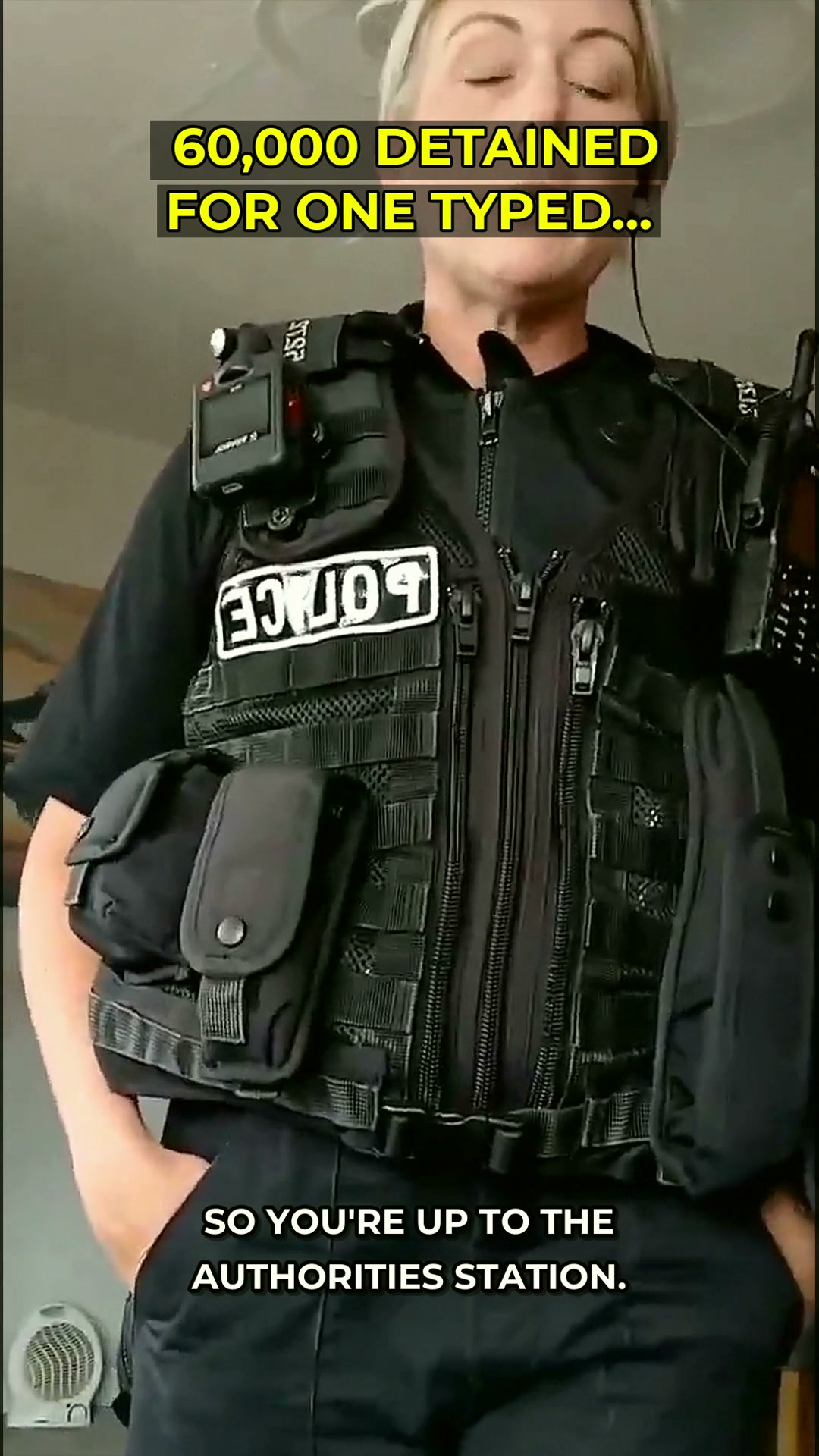
Thousands of ordinary citizens are facing the weight of the justice system for words typed on a screen, and the line between free speech and a legal nightmare has never been thinner.
- Record numbers of UK residents are being processed for online misconduct, with over 60,000 cases in five years.
- The arrest process for a social media post can be sudden, confusing, and deeply intimidating, even for first-time offenders.
- Legal experts emphasize that the caution you hear at the door is not a formality—it is the foundation of your defense.
- Community accountability is shifting, but knowing your rights and documenting everything is the only practical shield.
Imagine the kettle boiling. The postman is doing his rounds. And then, a firm knock at the door changes everything. You open it to find local authorities standing there, not for a chat, but to inform you that a status update you typed last Tuesday has just become a formal legal matter.
This is not a scene from a dystopian thriller. It is the reality for tens of thousands of citizens across the UK who have been pulled into the system for “Online Offences.” The charge sounds bureaucratic, but the consequences are deeply personal: a ride in the back of a vehicle, a night in a holding cell, and a future that suddenly looks very different.
The specific incident in question highlights the raw confusion of the moment. When the individual is told the reason for the visit relates to comments on a public Facebook page, the response is a mix of disbelief and dark humor: “Oh, it’s a Facebook crime, is it?” The laughter fades quickly when the reality of the arrest process sets in.

The caution is read out, a script that feels archaic in the digital age: “You do not have to say anything, but anything you do say may be given in evidence.” It is a sobering reminder that the playground rules of the internet—where words are thrown around with reckless abandon—collide with the rigid structure of the legal system.
For the accused, the immediate panic is not about guilt. It is about logistics. The question, “Do I need to bring my medication?” cuts through the legal jargon. It reveals the human being behind the case file, a person with health conditions and daily routines who is now facing the terrifying prospect of being locked up for the night over a keyboard.
The Moment of Reckoning
When the handcuffs go on, the concept of “common sense” vanishes. There is no debate about intent. There is no opportunity to explain the joke that was taken out of context. There is only the process. The authority figure is not interested in your side of the story at the doorstep; they are interested in securing the evidence.
This is the terrifying part for the average user. Most people believe that the police only come for violent criminals. They do not expect a visit for a heated argument in a comments section. But the law is catching up to the digital frontier, and it is doing so with a heavy hand.
The psychological impact is immediate. The shock of being read your rights in your own hallway is a violation of the sanctuary of home. It creates a feeling of vulnerability that is hard to shake. The victim here is not a corporation or a public figure; it is the individual who misjudged the temperature of an online conversation.
“You are standing in your kitchen one minute, and the next you are being asked if you understand the caution. It is surreal. You feel like you have lost control of your own life.”

The Legal Precedent
This case aligns with a growing trend in the UK where the threshold for what constitutes a “communications offence” is being tested. The law is designed to protect the public from harassment and distress, but its application often feels arbitrary to those caught in the net.
The term “improper use” is broad. It allows for interpretation, which means that context matters. But in the heat of the moment, context is the first thing that gets lost. The investigating officer sees a screenshot. The accused sees a conversation that spiraled out of control. The gap between those two perspectives is where justice hangs in the balance.
For those who find themselves on the wrong side of this issue, the advice is uniform: do not speak without representation. The caution is a trap for the unprepared. The desire to explain, to justify, to argue your case on the spot is overwhelming. But the system is not built for spontaneous confessions; it is built for structured interviews where every word is recorded.
What Justice Looks Like
Accountability is a two-way street. While the focus is often on the accused, there is a broader question of community standards. How do we police our own behavior online? How do we hold each other accountable for the words we use when the screen provides a shield of anonymity?
The aftermath of such an arrest is a lonely road. The legal process is slow. The financial burden of representation is heavy. The social stigma of having a record, even for a minor offence, is a shadow that follows a person into job interviews and housing applications.
Resources do exist. Victim support groups and legal aid clinics are available for those who know where to look. But the first step is understanding that the fight is not just about the specific charge; it is about navigating a system that is often indifferent to the nuances of human communication.

The question that lingers after the door closes and the vehicle drives away is simple: How did we get here? The answer is complex, but the lesson is clear. The internet is not a playground. It is a public square, and the rules of engagement are being rewritten every day.
The silence in the room after the arrest is deafening. The family members left behind are scrambling to understand what just happened. The accused is sitting in a holding cell, wondering if they will need that medication after all. The system moves forward, but the individuals caught in it are left to piece together the fragments of their lives, hoping that the unedited truth will be enough to set them free. The only certainty is the anxiety of the unknown.