Your Insurance Claim Nightmare: The Harsh Truth Behind a Destroyed Stolen Corvette
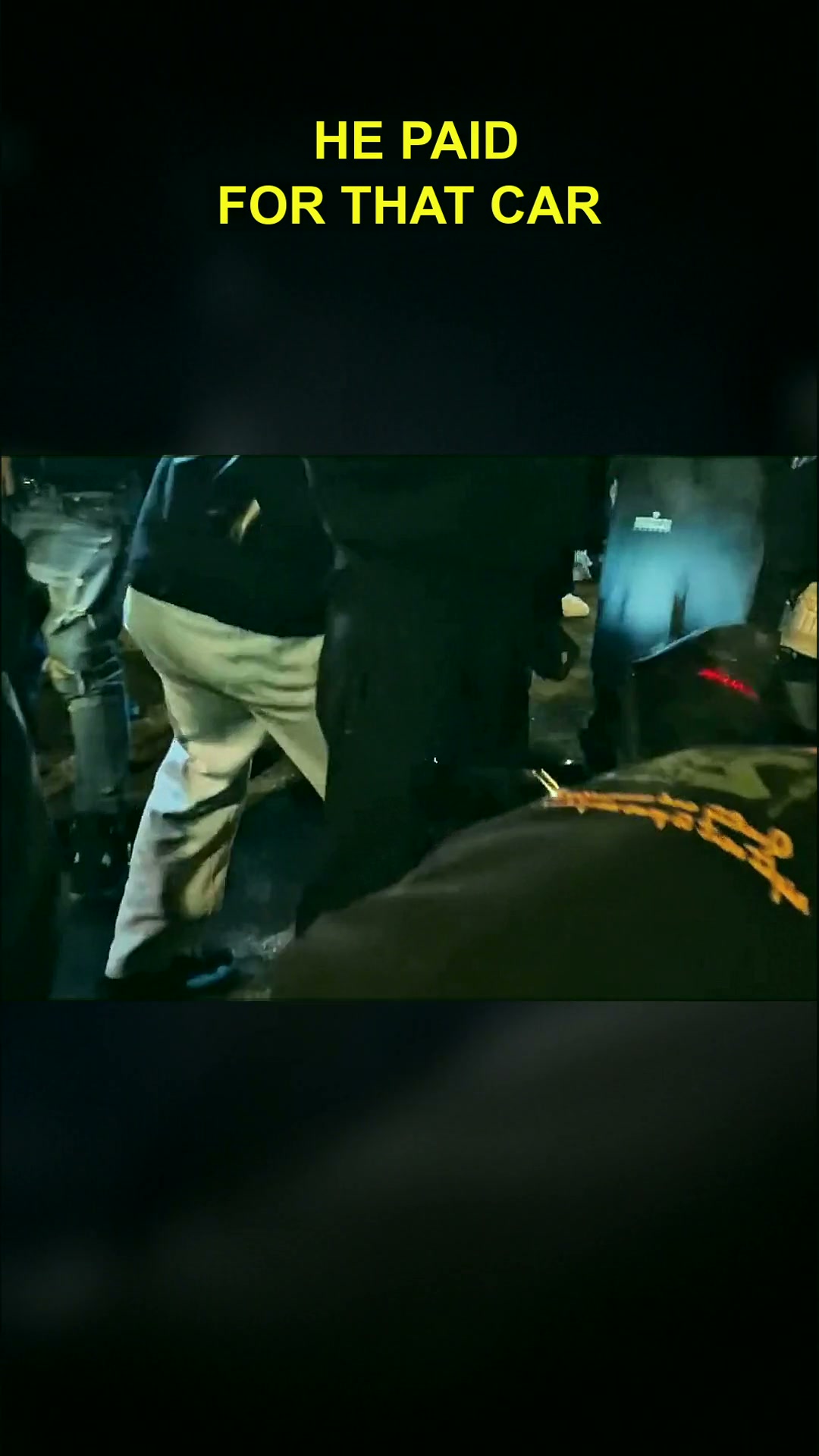
When a joyride turns into a wrecking ball, who foots the bill for the damage, the injuries, and the chaos left behind?
- Comprehensive coverage is the only buffer against total loss when a vehicle is stolen, but the payout process is rarely smooth.
- Bystanders injured by stolen vehicles face a complex path to compensation, often relying on uninsured motorist coverage or the vehicle owner’s policy.
- Vandalism after a theft can complicate claims, requiring meticulous documentation to prove the timeline of events to insurers.

Picture this: You spend years grinding, saving every penny, and finally pull the trigger on a dream car. A sleek Corvette sits in your driveway. It is more than metal and horsepower; it represents your success. Then, in one reckless moment, it is gone. Not just stolen for a joyride, but pulverized into scrap metal in front of a cheering crowd, all caught on camera for the world to see.
That is the grim reality unfolding in East Los Angeles. A stolen Corvette became the centerpiece of a violent street takeover, where chaos erupted and a spectator was struck down. The video shows the vehicle spinning out of control, hitting an innocent person, and then being swarmed by a mob. They didn’t just abandon it; they systematically destroyed it, stomping on the bodywork and shattering the glass, turning a symbol of achievement into a twisted trophy of destruction.
While the visual is infuriating, the deeper story lies in the wreckage of financial accountability. For the owner watching this footage, the nightmare is just beginning. The immediate anger over the theft quickly morphs into a cold, hard panic about money. Who pays for this? What happens to your insurance rates? Are you actually covered for the insanity of a mob demolition?
The Financial Trap of Vehicle Total Loss
The first hurdle is the insurance claim itself. If you hold only liability insurance, the bare minimum required by law, you are facing a total loss with zero payout from your own policy. The stolen Corvette, now a pile of twisted parts, is simply gone, and you are left making payments on a vehicle you no longer possess. That debt doesn’t vanish because the car was stolen; it remains a stark financial anchor around your neck.
Comprehensive coverage is the safety net, but it doesn’t mean you walk away happy. Insurers calculate Actual Cash Value (ACV), which is the replacement cost minus depreciation. In a market where used car prices fluctuate wildly, the ACV check might be thousands of dollars short of what you owe on the loan. This gap, known as being “upside down,” forces you to pay out of pocket for a car you no longer own, a cruel irony that leaves many victims feeling punished for a crime committed against them.
The moment a crowd begins to vandalize a vehicle, the claim shifts from a simple theft to a complex investigation involving vandalism, liability, and potential fraud concerns.
Then comes the investigation. Insurers are not in the business of writing checks quickly. They will scrutinize the police reports, examine the video footage, and look for any reason to delay or deny the payout. They are looking for signs of fraud or negligence. If they suspect any discrepancy in your story, even a minor one like a spare key left in the glovebox, they can freeze the claim for weeks, leaving you in a financial limbo.
Who Is Liable for the Injured Spectator?
The video shows a spectator being hit by the stolen vehicle. This introduces a web of liability that extends far beyond the destroyed car. The injured person faces mounting medical bills, lost wages, and long-term rehabilitation costs. Their path to recovery is not a simple insurance claim; it is a legal battleground where every party is pointing fingers at someone else.
Typically, the victim would file a claim against the driver’s insurance. But the driver was operating a stolen vehicle, meaning they likely have no valid insurance policy for this incident. The coverage is void. The victim is then forced to look toward their own uninsured motorist coverage, a policy add-on that many people don’t fully understand until they are lying in a hospital bed trying to decipher the fine print.
Legal experts suggest that the owner of the Corvette could also be dragged into a civil suit. If the injured spectator’s attorney can argue that the owner was negligent in securing the vehicle, such as leaving the keys inside or failing to install an immobilizer, they might attempt to tap into the owner’s liability coverage. This is a terrifying prospect for the victim of the theft, who now faces the possibility of being sued for the actions of the criminals who stole their property.
Why Documentation Is Your Only Shield
In the aftermath of such a chaotic event, the difference between a fair settlement and a financial disaster often comes down to paper trails. You need to prove the timeline of the theft. You need the police report. You need any GPS tracking data, like OnStar or a third-party tracker, that shows the vehicle’s location. You need to document every single scratch and dent from the vandalism to show the insurer that the damage was not pre-existing.
This meticulous documentation is not just for the claim; it is for your protection. If the insurer suspects that the vehicle was used for illegal activity with your knowledge, they will deny the claim and potentially refer the case for investigation. The burden of proof falls on you, the victim, to demonstrate your innocence. The video of the Corvette being destroyed is actually your best evidence, proving that you were not behind the wheel and that the car was in the possession of criminals.
“You work your whole life for something nice. These are the moments that make you question why you even try to have nice things in a world that lets people destroy them without consequence.”

The police report is critical. It officially records the theft, but it also documents the criminal act of vandalism. Without this report, your insurance claim is essentially a fantasy. The authorities must log the incident as a stolen vehicle and then a separate act of malicious destruction. This dual classification can affect how your claim is processed and whether your rates skyrocket or remain stable. In many cases, a theft claim is not considered an “at-fault” accident, but a comprehensive claim, which typically has a lower impact on your premium than a collision claim. However, the sheer dollar amount of the payout could still flag your file for higher rates.
The legal system is slow, and the financial recovery is slower. The individuals who stole and destroyed the vehicle are likely facing charges, but that does not put money in your pocket. The district attorney’s office will pursue criminal penalties, but restitution orders are notoriously difficult to enforce. These individuals rarely have the assets to pay for the damage they caused. You are left with a judgment against a ghost, a piece of paper that says you are owed money that will never materialize.
For the spectator who was injured, the civil courts are a marathon, not a sprint. They will need to file a lawsuit against the driver and potentially the owner. They will face a legal team representing the insurance companies, whose primary goal is to minimize payouts. The process will drag on for months, if not years, while the medical bills pile up and the stress takes a physical toll. The legal system is not designed for quick fixes; it is designed for careful adjudication, which often feels like a punishment to the victims waiting for justice.
The entire episode serves as a brutal lesson in the fragility of financial security. A single night of lawlessness can erase years of hard work in a matter of minutes. The image of that Corvette being stomped on and smashed is a visceral metaphor for how quickly the system can turn on the average person. The car is gone, but the financial and legal