When Rumors Replace Reason: How Communities Rebuild Trust After Public Unrest
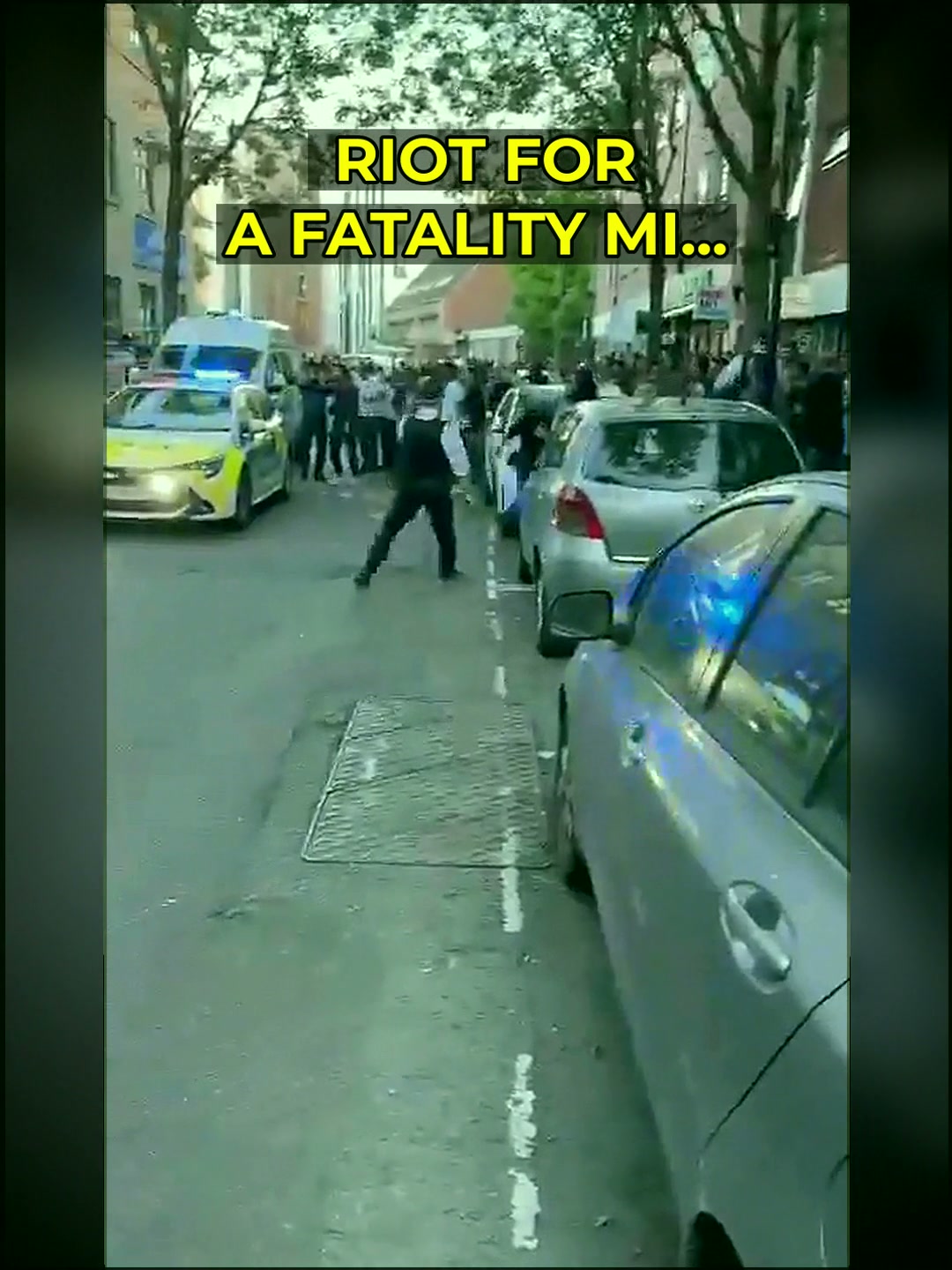
GENERAL CONTEXT ONLY
Unverified claims can spark chaos in neighborhoods. Here is what real accountability and support look like when tensions flare.
- Unverified online claims can escalate local tensions quickly, leaving residents confused and anxious.
- Community accountability starts with demanding factual reporting and transparent communication from officials.
- Victim rights and legal resources exist for those affected by public disorder, but knowing where to turn is critical.
A single, unverified post can ignite a neighborhood faster than a match in dry grass. That is the uncomfortable reality facing residents in parts of Leeds and Whitechapel, London, where social media chatter about events thousands of miles away in Bangladesh has stirred local anger. The problem? The information fueling the fury is often incomplete, unconfirmed, or simply false.
When people feel their identity is under attack, even a rumor can feel like an injury. But reacting without facts does not bring justice. It fractures communities and leaves ordinary families paying the price for someone else’s manipulated narrative.

The Danger of Distant Grievances
Here is what makes this situation so unsettling: the trigger for the reported unrest in Whitechapel allegedly traces back to an incident involving authorities in Bangladesh. Not in London. Not in Leeds. Yet, the emotional shockwave traveled across continents, landing squarely on British streets.
That disconnect is where manipulation thrives. Bad actors know that a person’s loyalty to their homeland can be weaponized. They share half-truths and dramatic images, bypassing journalistic checks. Before long, neighbors who once shared a quiet street are now shouting at each other over events they never witnessed firsthand.
The Legal Precedent for Public Order
British law takes a dim view of disorder, regardless of the cause. The Public Order Act 1986 gives local authorities clear powers to manage gatherings that turn violent or threaten the peace. But the law also protects the right to protest peacefully. The line between legitimate expression and unlawful disruption is thin, and crossing it carries serious consequences.
For residents caught in the middle, the immediate concern is safety. For the community as a whole, the deeper concern is accountability. Who started the rumor? Who escalated the tension? And what happens to those who damaged property or intimidated others?
“Justice is not served when people act on anger without evidence. It is served when the truth is established, and the system follows through.”
Where Victim Support and Community Resources Fit
When disorder strikes, the focus often shifts to the instigators. But what about the victims? The shopkeeper whose window was smashed. The family afraid to walk their dog. The elderly resident who felt trapped indoors. Their rights matter, and resources exist to help them.
Organizations like Victim Support in the UK offer free, confidential help to anyone affected by crime or public disorder. Local councils also provide community mediation services to repair frayed relationships between different groups. These tools are only useful if people know they exist and are willing to use them.
The unedited truth is that communities survive moments like this not by shouting louder, but by demanding better. Better information. Better leadership. Better follow-through from the legal system. That is the only path to genuine accountability.

The question now is not whether the rumors were true. It is whether residents will allow a handful of provocative posts to define their neighborhoods. Because the alternative—letting unverified rage dictate the streets—leaves everyone with less safety, less trust, and zero justice.