The True Cost of Unchecked Public Intimidation: A London Story of Legal Limits and Silent Bystanders
When aggressive rhetoric goes unchallenged, ordinary citizens are left wondering who is actually in charge of keeping the peace.
- Public figures making explicit threats of harm can face legal consequences, but enforcement often lags behind the rhetoric.
- The incident highlights a growing concern about whether authorities are equipped to handle modern forms of public intimidation.
- Understanding your legal protections is the first step in holding both individuals and institutions accountable for their actions.

Picture this: you are walking your dog through your own neighborhood, a routine evening stroll, when a man with a public platform points at you and declares that your pet will be “put down” if it crosses his path again. Not a private dispute. Not a whispered comment. A loud, recorded, public declaration of what he intends to do to your family member.
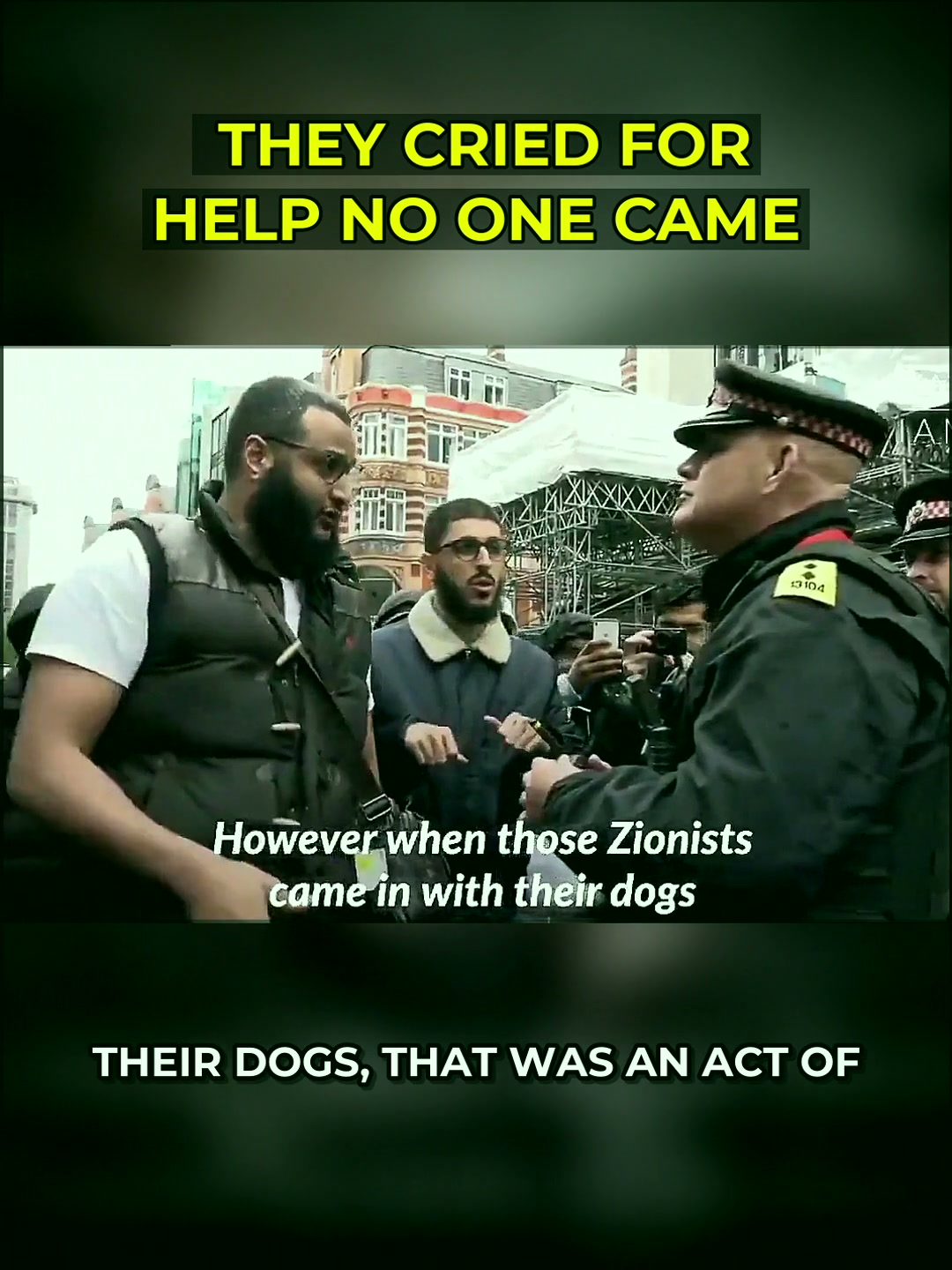
That is the reality of what unfolded in London, where a figure named Mohammed Hijab has been recorded making explicit statements about harming dogs—statements he frames as a defensive response to what he calls “provocation.” But the chilling part is not just the words. It is the silence that followed.
The Dangerous Game of Public Rhetoric
When individuals with influence use their platforms to issue what sounds like a promise of violence, the message lands far beyond the immediate target. It tells an audience that certain people—and their pets—are fair game. It creates an atmosphere where fear becomes the default setting for anyone who fits the described profile.
Hijab’s statements, captured on video, do not exist in a vacuum. He describes a scenario where “Zionists came in with their dogs” as an “act of provocation,” and then flips the script: if those dogs appear again, he says, “we will see it as an act of aggression and we will kill those dogs.”

Let that sink in. The logic here is that someone else’s presence—and their choice to walk a dog—justifies a pre-announced lethal response. It is not a heat-of-the-moment outburst. It is a calculated, public policy statement about how he intends to handle future encounters.
“If those dogs come close to us again, we will see it as an act of aggression and we will kill those dogs, we will put them down.”
The casual cruelty of that statement is staggering. It reduces a living creature to a political symbol, a target to be eliminated for the crime of being present. And the fact that he reportedly said this to an officer of the law, who did nothing, raises an uncomfortable question: What exactly does it take to cross the line in London?
The Accountability Vacuum
Here is where the story takes an even more disturbing turn. The raw caption accompanying this incident describes a larger scene: a group allegedly hunting for Jewish people, with police standing by. If that is accurate, we are not talking about a single hothead. We are talking about a coordinated display of intimidation that authorities chose not to address.
This is the silent crisis of our time. When public figures make threats and nothing happens, the message to everyone else is clear: you are on your own. The rules do not apply to those who shout loudest or who belong to the right group.
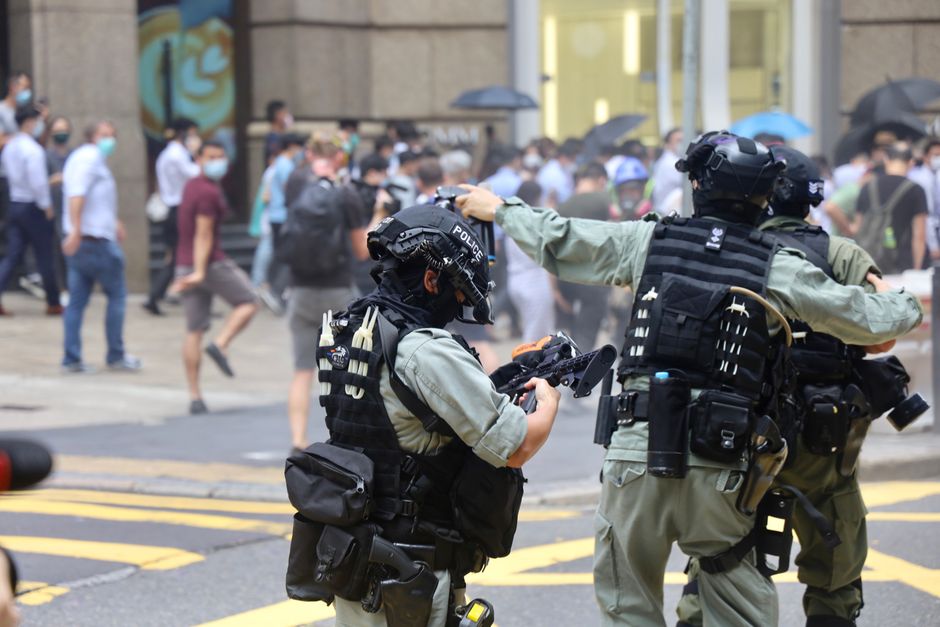
For the average person, this creates a terrifying reality. You cannot rely on institutions to protect you. You cannot assume that a recorded threat will lead to any consequence. You are left to navigate a world where your safety depends on the whims of those who are willing to be the most aggressive.
- Under the UK’s Public Order Act, threatening words or behavior that cause harassment, alarm, or distress are criminal offenses.
- Explicit threats against a person’s property or companion animal can also fall under malicious communications statutes.
- Private prosecutions are an option when authorities decline to act, but they require significant resources and legal support.
The Legal Precedent
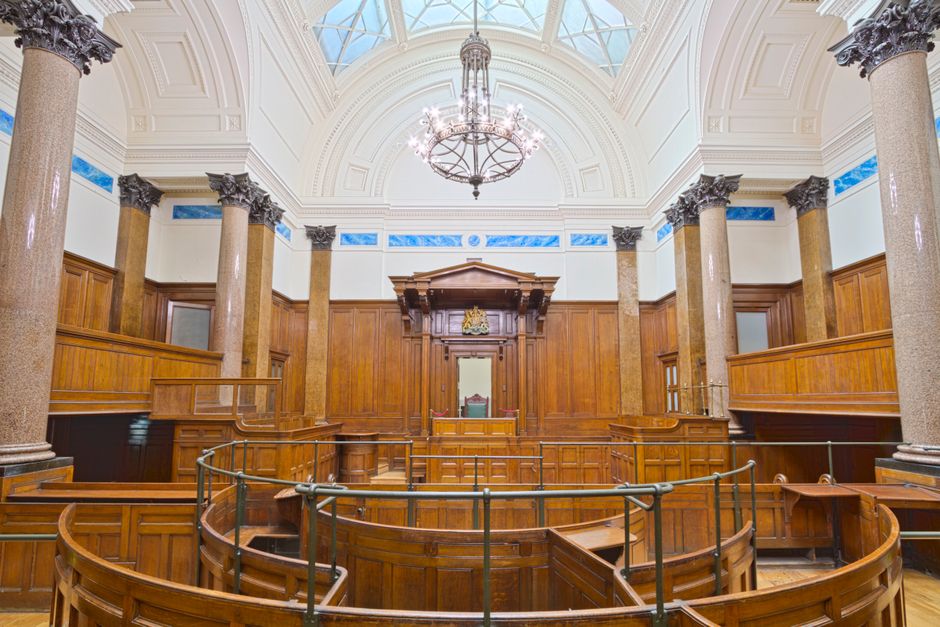
British courts have historically taken a dim view of public threats, even those framed as hypotheticals or defensive postures. The line between free speech and criminal intimidation is drawn at the point where a reasonable person would fear for their safety or the safety of their property.
Yet, the application of these laws has been wildly inconsistent. In cases with a clear political or religious dimension, authorities often hesitate, citing concerns about community tensions or the right to free expression. The result is a patchwork of enforcement where some threats are treated as crimes and others are dismissed as “just words.”
This inconsistency is not just a legal problem. It is a societal one. When people see that certain groups can issue threats without consequence, it breeds resentment. It fuels the very divisions that such incidents are supposed to expose.
And what about the dogs? In the UK, animals are recognized as sentient beings under the Animal Welfare Act. Threatening to kill someone’s pet is not a minor offense—it is an attempt to inflict psychological harm on the owner through the most vulnerable point of attack.
The fact that this threat was made against a backdrop of communal tension makes it even more sinister. It is not about the dogs. It is about establishing dominance, about sending a message that the other side can be hurt in ways they did not anticipate.
What This Means for You
Here is the uncomfortable truth: this is not a London problem. It is a universal one. Every time a person with influence issues a threat and faces no consequence, the social contract weakens. Every time authorities look the other way, they are making a choice about whose safety matters.
For the rest of us, the takeaway is grim but essential. Document everything. Report every threat, no matter how small. And understand that the system may fail you, which is why community vigilance and legal preparedness are not optional—they are survival skills.
The video ends with Hijab’s words hanging in the air: “We will kill those dogs.” And the silence that follows is the loudest part of all.