The UN Stage Just Got a Lot Younger: An Affleck-Garner Heir Demands a Global Shift on Clean Air
A passionate plea from the next generation forces a stark question: Are we failing our children by ignoring the science of the air they breathe?
- A high-profile family member steps into the public health arena with a call for renewed mask mandates.
- The core argument redefines access to clean indoor air as a fundamental human right, akin to clean water.
- The speech ignites a powerful conversation about generational responsibility and the long-term consequences of pandemic policy decisions.
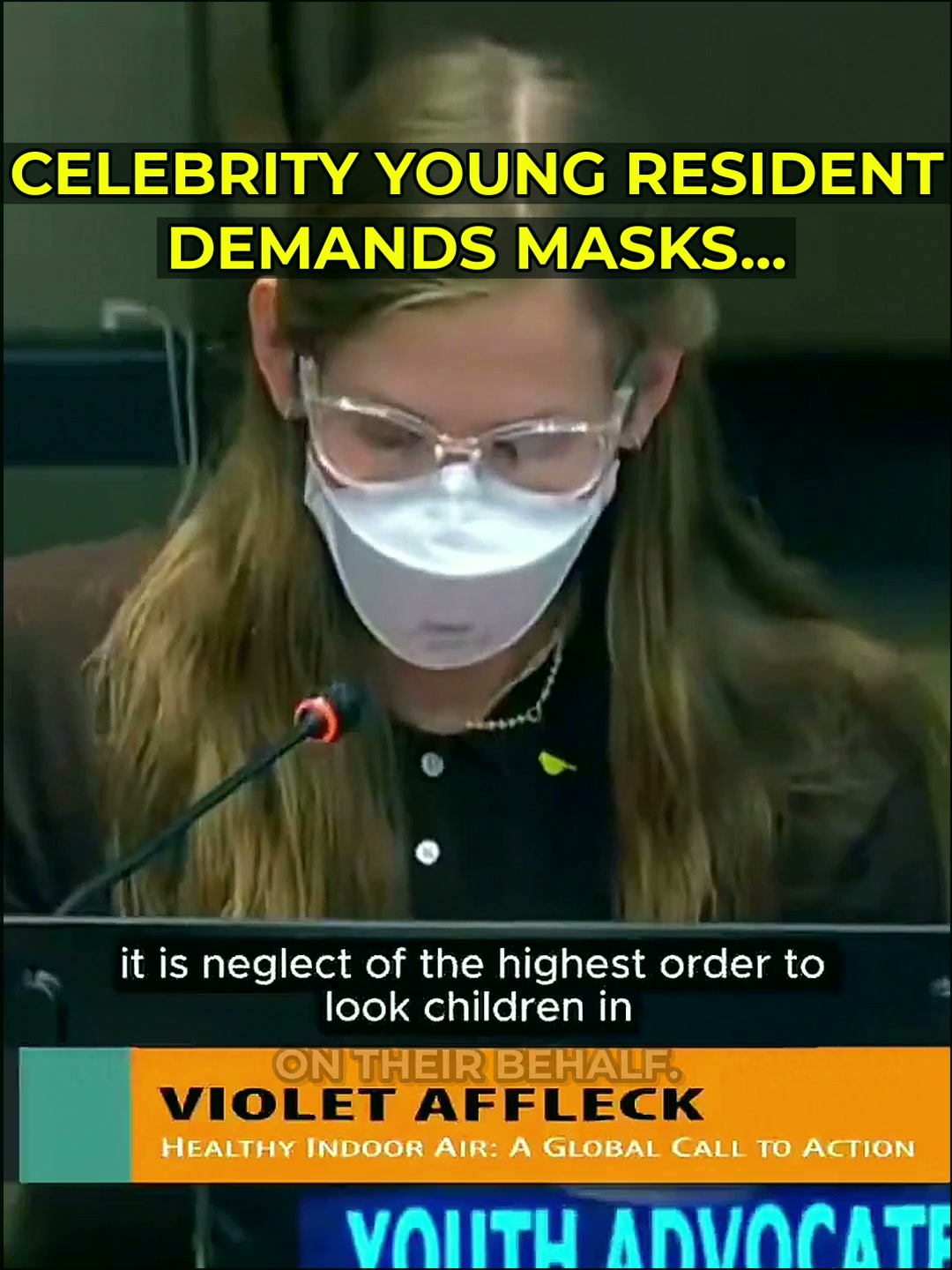
The setting was the hallowed halls of the United Nations. The speaker was not a seasoned diplomat or a career politician. Instead, it was a young woman carrying a famous last name and a message that cut straight to the bone of our collective conscience. Her words, aimed directly at global leaders, were a stark challenge to a world seemingly eager to move on from the pandemic’s hard lessons.
This wasn’t about politics. It was about the raw, unedited truth of a generation that grew up in the shadow of a global health crisis. She spoke of children who “do not or soon will not know a world without debilitating pain and exhaustion,” painting a picture of a future clouded by the lingering effects of a virus that many have tried to forget. Her presence alone was a lightning rod, forcing a conversation that many would rather avoid.

Her central demand was as simple as it was radical: recognize filtered air as a human right, just as we recognize filtered water. It is a framing that shifts the debate from personal convenience to fundamental necessity. She challenged the audience to see indoor air quality not as a luxury, but as the very bedrock of public health, a technology that we possess but, in her words, “refuse to use.”
The frustration in her voice was palpable. It is the frustration of a generation watching adults make choices that seem to defy common sense and basic respect for the most vulnerable among us. She looked her generation’s elders in the eye and declared that looking at children and saying “we knew how to protect you, and we didn’t do it” is the highest form of neglect.
“It is neglect of the highest order to look children in the eyes and say, we knew how to protect you, and we didn’t do it.”
Her argument wasn’t rooted in abstract theory. It was deeply personal, highlighting the human story behind the policy debates. She spoke of a generation that cannot “trust their bodies to play, explore, and imagine,” a generation robbed of the simple joys of childhood by a disease that we have the tools to combat. This is not a distant issue; it is a reality for millions of families who are still navigating the long-term consequences of infection.
This appeal to the UN is more than just a request for a policy change; it is a demand for accountability. It is a call for the global community to acknowledge that the decision to drop mandates and abandon mitigation efforts had a cost. Her speech forces a reckoning with the question of what we owe to the youngest members of our society, not just in terms of their education, but their very health and potential.
The Human Story Behind the Mandate
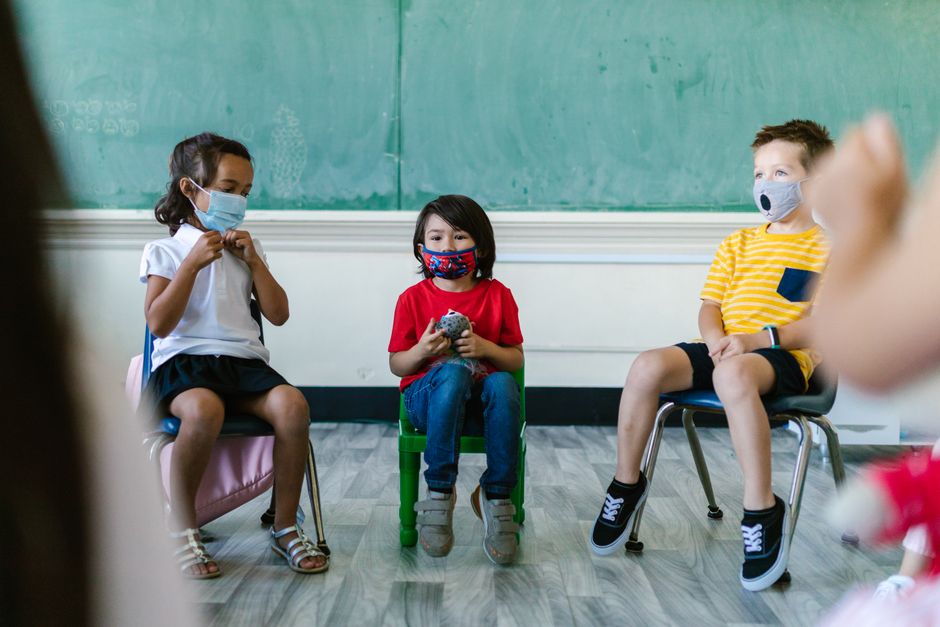
To understand the weight of her words, you have to strip away the politics and look at the human resilience at the core of this story. This is about parents who have spent years agonizing over every decision, every playdate, every school day. It is about children who have shown incredible strength in the face of uncertainty, adapting to a world where a simple cough could derail a family’s life for weeks. Her speech gives a voice to that silent struggle.
She dared to mention the “millions of our ancestors and millions of people around the world today” who would yearn for the simple technology of clean air. It was a sobering reminder of our privilege and a challenge to our collective apathy. Her argument reframes the issue from one of restriction to one of provision, suggesting that providing clean air is an act of profound community care, not a limitation of personal freedom. It is a perspective that resonates deeply with anyone who believes that we are our brother’s keeper.
What This Means for Everyday Families
For the average American family, this debate is not an abstract UN resolution. It is the question of whether their child’s school will have updated ventilation systems. It is the question of whether public spaces will invest in the technology to make them safer for the immunocompromised and the young. Her words are a rallying cry for those who feel they have been left to fend for themselves in a world that has collectively decided the emergency is over, even when the consequences linger.
The response to her speech has been immediate and polarizing, which is exactly what a call to action of this magnitude should be. It forces a conversation about the legacy we are leaving for the next generation. Are we leaving them a world that prioritizes convenience over care, or are we leaving them a world that values the health and potential of every single child? Her appearance on that global stage was a moment of pure, unadulterated advocacy that cannot be easily dismissed.
This moment is a testament to the power of individual voices to spark a global dialogue. Whether you agree with her specific policy prescriptions or not, her willingness to stand up and speak uncomfortable truths to power is a powerful example of civic engagement. She has thrown down a gauntlet, challenging leaders and citizens alike to consider what kind of world we are building. The question now hangs in the air, as clear and as urgent as the very air she demands we clean: What will we do with the technology and the knowledge we have? The clock is ticking for the children who are watching.