The Chaos on the Corner: When a City’s Rage Outruns Its Reason
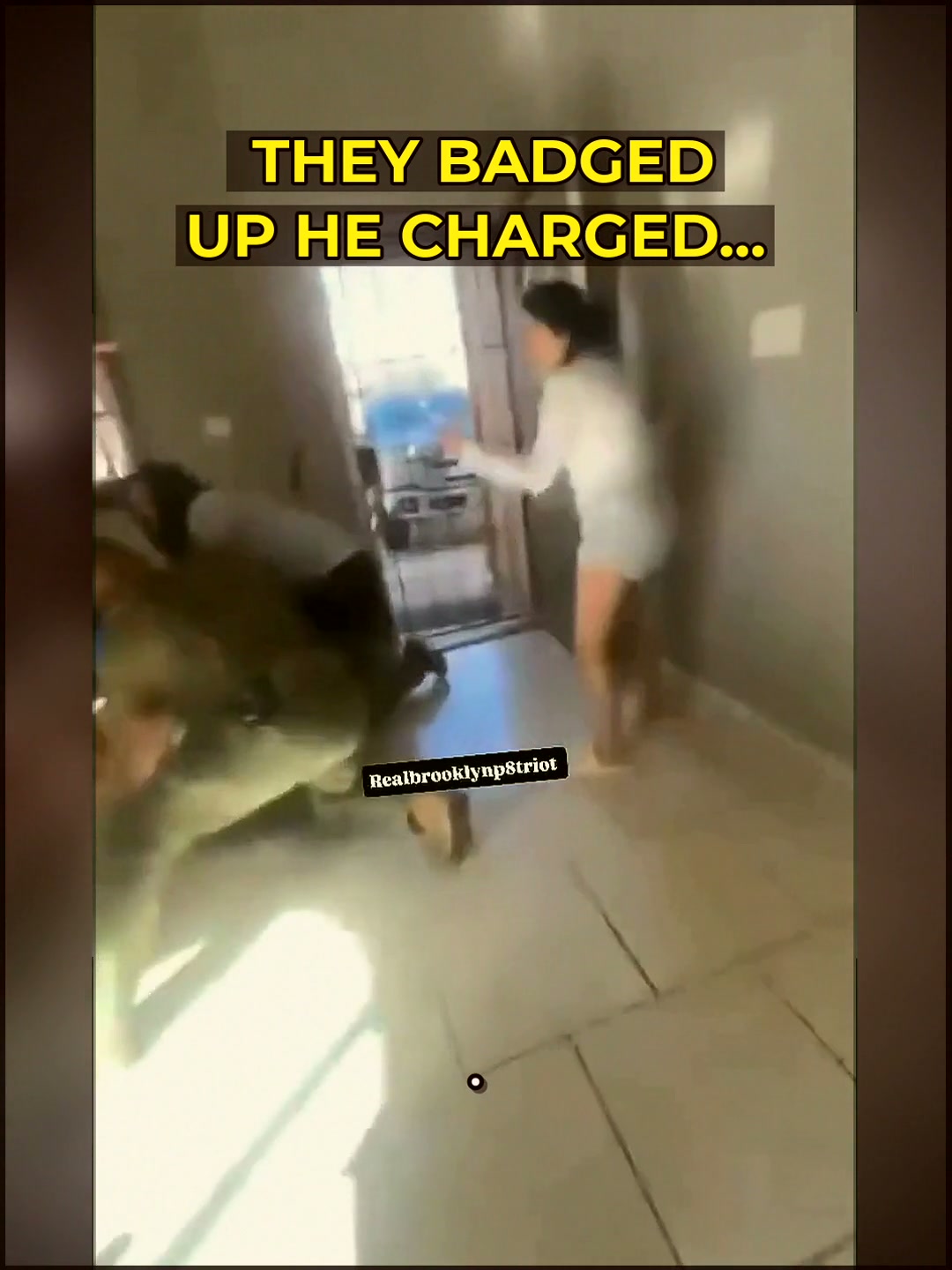
In the heat of a San Antonio afternoon, a crowd’s fury turned a routine federal operation into a street-level standoff—and the man they were shielding wasn’t even the one the agents were after.
- Federal agents were executing a search for a specific individual with a serious criminal background, not conducting a random sweep.
- Bystanders intervened physically, but video evidence shows they may have been protecting the wrong person entirely.
- The incident underscores how quickly community tension can escalate when facts are unclear and emotions run hot.
There is a specific kind of chaos that erupts when a rumor outpaces the truth. It happened on a residential street in San Antonio, Texas, where federal agents moved in with a clear objective—to locate a man accused of unspeakable acts against a child. But within seconds, the operation was swallowed by a crowd that had decided, in that moment, that the uniform was the enemy.
The footage is dizzying. Bodies shove, voices overlap, and somewhere in the middle of it all, agents are trying to do their job. The target? A person described as an illegal immigrant with a warrant tied to child molestation. The crowd? Neighbors, passersby, and a handful of people who appeared ready to physically block the agents’ path, no questions asked.

The Wrong Man in the Middle
Here is where the story twists. As the scuffle intensifies, a voice cuts through the noise—calm, almost exasperated. “It’s not Anthony,” the man says. “It’s this other guy that’s trying to help. Anthony’s right here, but me and Anthony are not getting in this way.”
Let that sink in. The crowd was not defending the suspect. They were shielding a Good Samaritan—or so they thought. In their rush to intervene, they had turned a lawful operation into a human barricade, and the actual person of interest, “Anthony,” was standing nearby, watching the mess unfold without lifting a finger.
“It’s not Anthony. It’s this other guy that’s trying to help.” — A bystander caught on video, trying to untangle the mess.
This is the unedited truth of the moment: a community so primed for confrontation that it forgot to ask the simplest question—who are we actually protecting? The answer, in this case, was a man who was merely trying to assist the agents, not resist them. The real target stayed on the periphery, anonymous and unbothered, while the crowd burned its energy on a misunderstanding.

Why a Community Snaps
San Antonio is a city with deep roots, a place where family ties and neighborhood loyalty run thick. But that loyalty can curdle into something dangerous when it is aimed at the wrong target. The agents were not conducting a raid on a family gathering. They were executing a warrant against a person accused of harming a child—a detail that seems to have been lost in the heat of the moment.
This is not about immigration policy. This is about a failure of information. The crowd acted on instinct, not evidence. They saw a federal presence and assumed the worst. They did not stop to consider that the men in tactical gear might be there to protect a child, not to tear a family apart.
And yet, there is a deeper layer here. The bystander who spoke up did not side with the agents. He simply clarified the facts. He was not defending the system; he was defending the truth. In a moment of mass hysteria, that single voice of reason is what cuts through the noise.

The Cost of Misplaced Fury
What happens next is not a Hollywood ending. The agents, likely outnumbered and facing escalating hostility, had to make a split-second decision: push through the crowd and risk a violent escalation, or retreat and regroup. Neither option is good. Every second spent untangling the crowd is a second the actual suspect can use to slip away.
The tragedy is that the crowd believed it was fighting for justice. It was not. It was fighting for a man who was trying to help the authorities—and in doing so, it may have handed the real suspect a golden ticket out of the neighborhood.
This is why we document everything. This is why we ask questions before we act. The video does not lie: the crowd was wrong. The target was not the man they protected. And the man they protected was not the man the agents were after.
In the end, the only person who walked away clean was “Anthony”—the man who stood by, silent, while the chaos unfolded around him. And that, perhaps, is the most unsettling part of all.