When Public Servants Turn Into Predators: The Harrowing Case of Accountability in Harrow
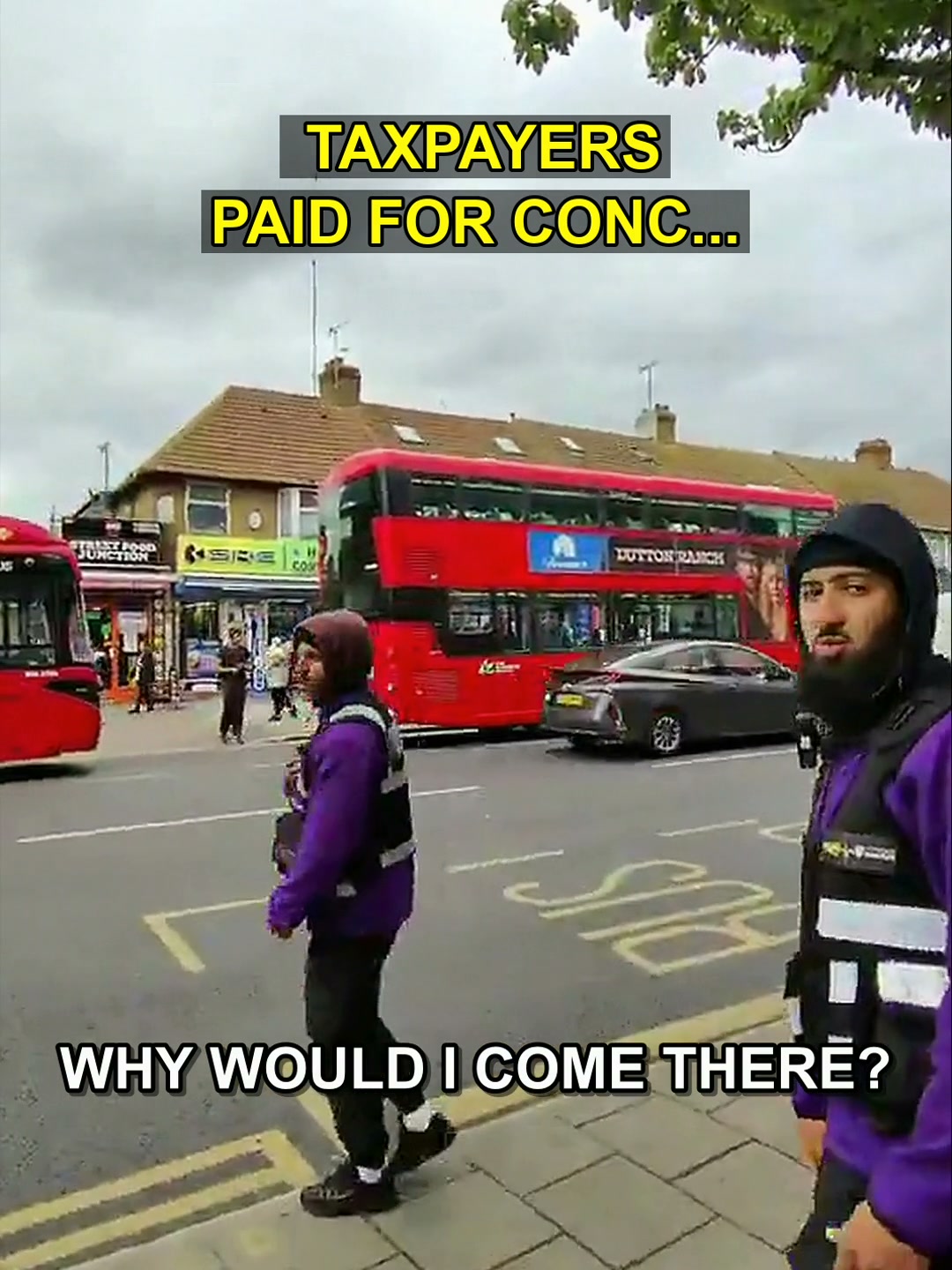
Body cameras off, threats on: A disturbing video raises urgent questions about who polices the police and what justice truly means for victims of intimidation.
- A video shows a Harrow Council employee issuing explicit threats of physical harm during a dispute.
- The suspect allegedly deactivated his body camera to issue threats, indicating a consciousness of guilt.
- The incident raises serious concerns about the abuse of power and the relationship between local officials and law enforcement.
- Victims of such intimidation have clear legal channels for reporting misconduct and seeking justice.
Imagine being a hardworking individual, just trying to secure your livelihood, when a man paid by your taxes decides he is going to end your ability to work. This is not a scene from a gritty crime drama; this is the grim reality captured in a shocking video that has surfaced from Harrow, London—a video that exposes a level of arrogance and entitlement that is frankly terrifying.
The footage, which is spreading rapidly across social media, shows a male employee of Harrow Council embroiled in a heated confrontation. But this is not a simple argument. The man, who is supposed to be a public servant, is heard making blood-curdling threats, promising to “knock you the fuck out and whip your teeth out.” The aggression is palpable, the language is violent, and the context is purely financial—a dispute over “money” and “business.”

What makes this situation even more sinister is the calculated nature of the threats. The individual is seen turning off his body camera before issuing the most severe threats. In an age where body cameras are designed to ensure transparency and accountability, this deliberate act of switching it off screams premeditation. He knew what he was about to say was wrong. He knew it was a crime. And he did it anyway.
To make matters worse, this public employee allegedly invoked a relationship with the Metropolitan Police, suggesting he had “people” who could facilitate the harm. This is not just a dispute between two citizens; this is an abuse of power. It is a chilling reminder of what happens when individuals in positions of trust believe they are untouchable.
“When I’m not in uniform, I’m gonna knock you the fuck out and whip your teeth out.”
The victim in this scenario, who remains unnamed, appears calm and confused by the sudden rage. He asks, “Why would I come there?” as the aggressor tries to lure him into an alleyway. The intent is clear: to cause severe physical harm without witnesses. This is a trap, and the only thing that saved the victim was his own common sense in refusing to follow.
The Ugly Face of Entitlement
This incident is a textbook example of the “rules for thee but not for me” mentality that infuriates the public. This person is not a private citizen acting in a private capacity; he is a representative of the local government. He is funded by the taxpayer. His salary comes from the pockets of the very people he is now threatening. The sheer audacity is mind-boggling.
When you are on the public payroll, your conduct is held to a higher standard. You are the face of the community. You are the person people call for help. To see an individual in this role acting like a street thug, using his position to intimidate a citizen, is a betrayal of public trust that cuts deep. It sends a message that power corrupts, and in this case, it has corrupted absolutely.
The reference to the police is perhaps the most disturbing element. It suggests a network of corruption, or at the very least, a perception of it. When a citizen believes that a council worker has the ability to “leverage” law enforcement to do harm, it undermines the entire justice system. It makes the average person feel powerless and vulnerable, wondering if their local authorities are protectors or potential persecutors.
The Legal Precedent and the Road to Justice
So, what happens now? What does justice look like in a case that is this egregious? The victim has options, and the system, while slow, does have mechanisms for accountability. The first step is to file a formal complaint with the council itself. In the UK, local authorities have strict disciplinary procedures for misconduct. If the video evidence is as clear as it appears, this individual should be immediately suspended pending an investigation.
Beyond internal council procedures, this is a matter for the police. While the suspect claims to have friends in the Met, the reality is that making threats to kill or cause grievous bodily harm is a serious criminal offense in the United Kingdom. The victim can press charges. The police are obligated to investigate, regardless of who the suspect claims to know. The Independent Office for Police Conduct (IOPC) exists specifically to handle allegations of misconduct involving police officers, ensuring that these “relationships” do not protect wrongdoers.

For the victim, the psychological toll of this incident cannot be overstated. To be threatened in such a visceral way by a state employee creates a profound sense of insecurity. Victim support organizations in the UK, such as Victim Support, offer free and confidential help to anyone who has been affected by crime. They can provide emotional support and guidance through the legal process, helping the victim navigate the complex maze of the justice system.
This incident also serves as a rallying cry for the community. The public needs to see that this behavior is not tolerated. The council must act swiftly and decisively. If they do not, they are complicit in the intimidation. The community must hold them accountable, demanding transparency and a zero-tolerance policy for violent threats from their employees.
“We’ve got people to knock you off from your teeth out.”
The concept of “accountability” feels like a buzzword until it hits home. This video is a stark, unedited truth that shows exactly why we need rigorous oversight of public officials. It is easy to say “this doesn’t happen here” or “this is an isolated incident,” but that is a dangerous fallacy. The arrogance displayed in this video is a symptom of a deeper rot—a belief that you can switch off the camera, make your threats, and walk away unscathed because you know people on the force.
The Uncomfortable Question We Must All Ask
This entire episode forces the public to ask a difficult question: If a council employee feels this emboldened, who else is abusing their power? How many times have body cameras been switched off right before the truth was about to come out? This is not just about one bad apple; it is about a system that allows bad apples to operate with impunity.
For the man who was threatened, the fear is real. He now has to look over his shoulder, wondering if the “people” his aggressor mentioned are actually out there. He has to worry about his safety and his ability to earn a living. He did nothing wrong, except perhaps try to compete in a business environment.
The video is a time bomb for Harrow Council. They can try to bury it, but the viral nature of the internet means it will not go away. The public is demanding answers. The public is demanding consequences. If the council fails to act, they will be sending a clear message that their employees can threaten the public with impunity, as long as they remember to turn off the camera first.
The justice system is often slow, but it is not blind. The evidence here is undeniable. The threats were captured. The intent is clear. The only question that remains is whether the institutions will have the backbone to do what is right, or if the “relationship” with the police will protect a man who has no business wearing the badge of a public servant. The clock is ticking, and the world is watching.