The Unseen Cost of Public Chaos: Who Protects the Workers Left to Clean Up the Mess?
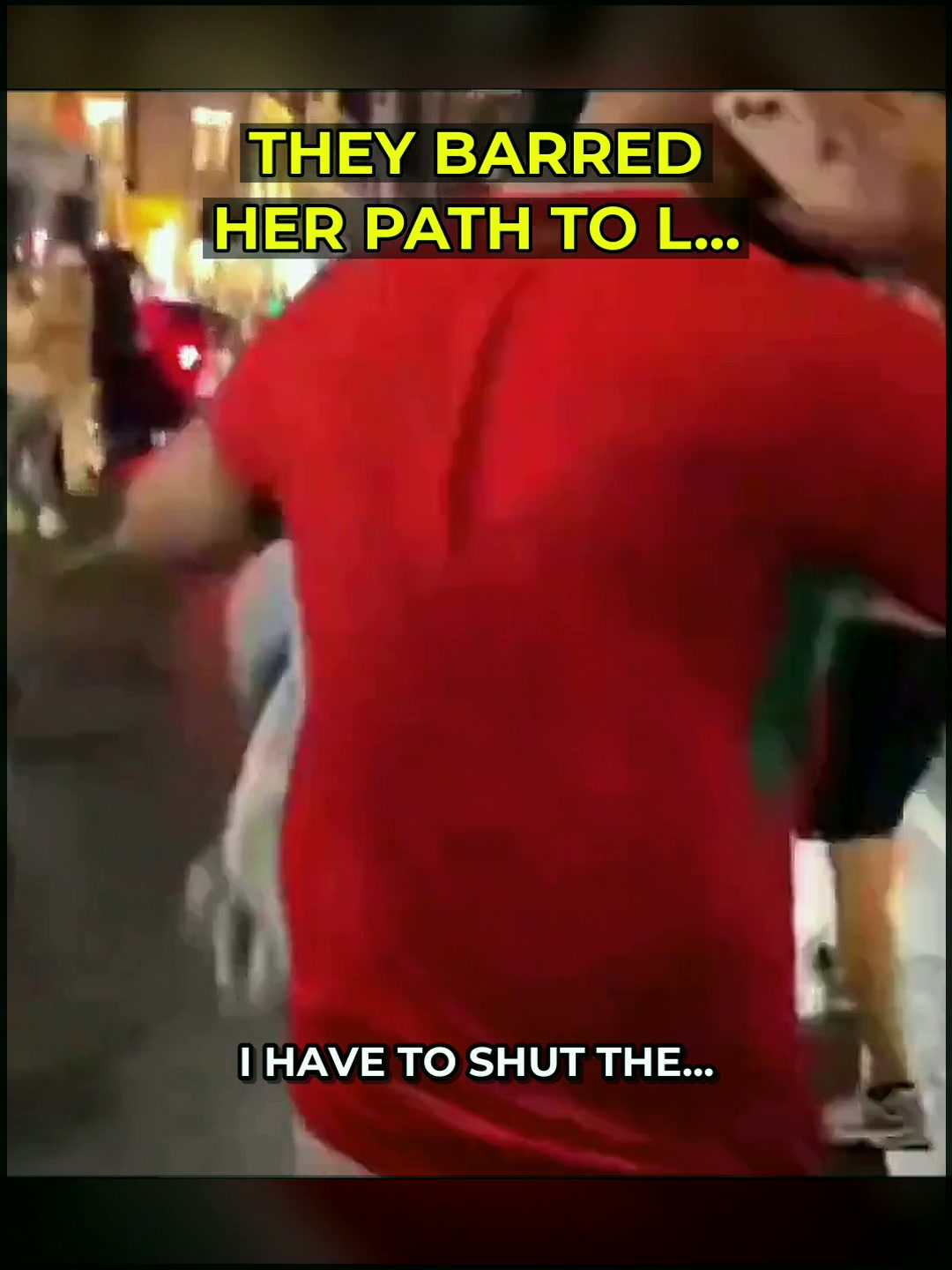
When a night of football fever turns into a frenzy of fear, the real damage isn’t just to storefronts—it’s to the everyday people and the staff caught in the crossfire.
- Crowd surges and public disturbances place untrained staff and bystanders in direct physical danger.
- Employers have a legal duty to provide a safe working environment, but the enforcement of these rules often lags far behind the reality on the ground.
- Workers who face hostility during public events have specific legal rights, yet many fear retaliation for speaking up about unsafe conditions.
Picture this: you are closing up your shop near a major transit hub. The roar of the crowd outside isn’t celebration—it’s rage. You hear shouting, glass breaking, and the frantic footsteps of people running for cover. This isn’t a war zone; it’s a London street after a high-stakes football match, and the people caught in the middle are just trying to get home or finish their shift.
The scene on Sunday night was pure pandemonium. Reports and footage circulating online show a group of young men, reportedly upset over a World Cup elimination, clashing with young women attempting to navigate the streets. The video transcript captures a snippet of the chaos: a man muttering, “I have to shut the… I’m a nice guy,” a phrase that sounds more like a hollow justification than a genuine apology. The incident has ignited a firestorm of debate, but beneath the surface of the outrage lies a question that affects every single worker in the hospitality, retail, and transport sectors: who is legally responsible when the public turns hostile?

The Legal Precedent: When Does a “Disturbance” Become an Employer’s Liability?
In the aftermath of such events, the conversation usually pivots to law and order. But look closer. The real victims here are often the minimum-wage employees—the barista locking the cafe door, the security guard without backup, the train station attendant who has to tell a terrified passenger that the next service is delayed. These workers are not just witnesses; they are the first line of defense in a system that often leaves them completely unprotected.
Under UK employment law, specifically the Health and Safety at Work Act, employers have a legal obligation to ensure, so far as is reasonably practicable, the health, safety, and welfare of their employees. This is not a vague suggestion. It is a statutory duty. Yet, how many managers actually conduct a dynamic risk assessment before letting staff work late on a match day? How many provide de-escalation training or a clear evacuation route when the crowd turns sour? The gap between the law on the books and the reality on the shop floor is where negligence thrives.
Let’s be clear about what happened. The video shows young women being harassed, their evening turned into a nightmare by a mob acting with impunity. The men in the footage aren’t just “fans.” They are individuals who felt empowered to intimidate and threaten because they believed there would be no consequences. This sense of entitlement is a poison that seeps into every corner of society, but it hits hardest for those who have to interact with the public for a living.

The Worker’s Dilemma: “Just Following Orders” Is Not a Legal Defense
Imagine you are a supervisor at a fast-food restaurant near the disturbance. Your regional manager calls and says, “Keep the store open, we need the sales.” You are now forced to choose between your job and the physical safety of your team. This is the silent crisis of modern employment. The fear of termination or a reduced shift is so potent that workers often comply with dangerous instructions, believing they have no other option.
This is where the law steps in, but it is rarely used. Protection from unlawful retaliation is a cornerstone of worker rights. If you refuse to work in a genuinely dangerous situation, and you are subsequently punished for it, you may have grounds for a constructive dismissal claim. Yet, the process is daunting. It requires documentation, legal representation, and the emotional stamina to fight a corporation. Most people don’t have that luxury. They just need to pay rent.
“The real issue isn’t the hooligans in the street—it’s the corporate culture that tells employees their safety is secondary to the bottom line.”
Look at the footage again. The women are trying to leave. They are not engaging. They are trying to find a safe route home. This is the exact scenario where a responsible employer should have a protocol. Is there a safe taxi arranged? Is there a buddy system? Or are they just told to “be careful” and sent out into the chaos?
Accountability cuts both ways. Yes, the individuals who caused the disturbance must be held responsible for their actions. That is common sense. But what about the managers who sent staff into harm’s way without adequate support? What about the HR departments that turn a blind eye to complaints about unsafe working conditions because addressing them would be inconvenient?

The Unedited Truth: Your Safety Is a Business Decision
Here is the unedited truth that no one in corporate wants to say out loud: your safety is a cost center. If a company can save money by having fewer security guards or by not training staff on conflict resolution, they will do it—until a lawsuit forces them to change. The incident in London is a perfect case study. The immediate aftermath will involve cleanup crews and police statements. But the longer-term damage is to the psychological well-being of the workers who witnessed it and the erosion of trust in their employers to protect them.
The “I’m a nice guy” comment from the video is the most chilling part. It reveals a mindset where the perpetrator sees themselves as the victim. This is the same mentality that leads to workplace harassment, wage theft, and discrimination. It is a refusal to accept responsibility. And when that mentality is allowed to fester in a crowd, it becomes a mob.
For the worker watching this from home, the lesson is simple: document everything. Record the times you were asked to work in unsafe conditions. Save the emails. Write down the names of managers who dismissed your concerns. This isn’t paranoia; it is protection. The law is on your side, but it only works if you have evidence. And for the employers out there, the message is even simpler: your staff are not expendable assets. They are human beings. A night of lost revenue is nothing compared to the cost of a single lawsuit or, worse, a life changed forever by a moment of violence.
As the crowds disperse and the city returns to its uneasy silence, the questions remain. The women in that video will go home, but will they feel safe walking alone again? The staff who had to lock their doors will return to work, but will they trust their boss to have their back? The law provides a framework, but justice is a different matter entirely. And tonight, on the streets of London, it feels very far away.