The Financial Wreckage Left Behind: Who Pays When a Deadly Rampage Ends in Ruin?
Beyond the horror of a senseless tragedy lies a brutal maze of insurance denials, legal fees, and debt that families never see coming.
- Understanding why auto insurance policies often deny claims when a vehicle is used as a weapon in a deliberate act.
- The harsh reality of civil lawsuits against individuals with no assets, leaving victims’ families with a hollow court victory.
- State victim compensation funds exist but are notoriously underfunded and slow, offering pennies on the dollar.
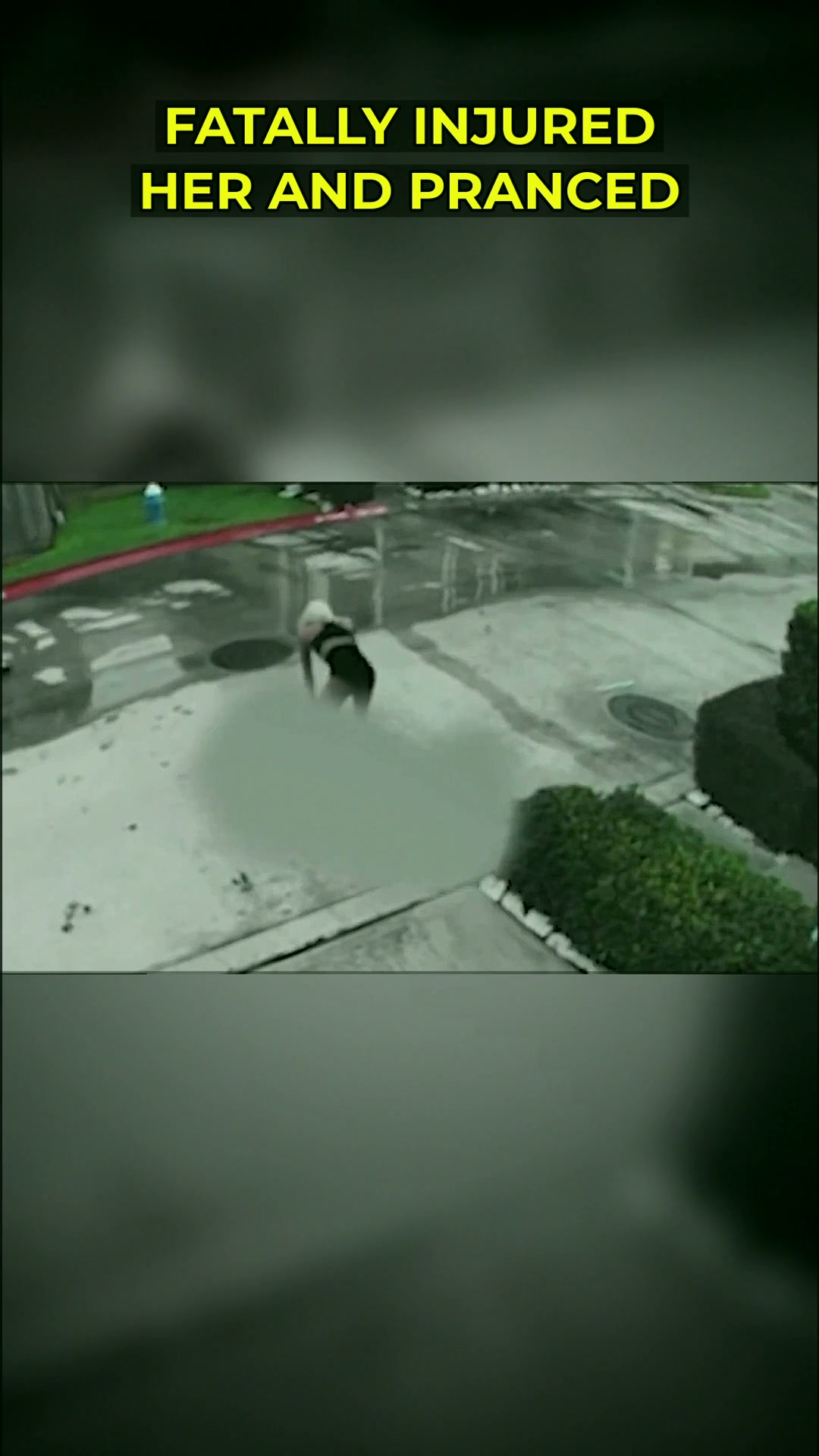
Imagine the call. The one that shatters your world into a million pieces. You are told your loved one is gone, not from a sudden illness or a tragic accident, but from a sequence of events so bizarre and brutal that it defies comprehension. A car plowing into a pedestrian. Then reversing. Then an alleged stabbing. The sheer randomness leaves you reeling, but the nightmare is just beginning.
The emotional devastation is immediate. But lurking just behind the grief is a cold, calculating monster that families rarely discuss until it is too late: the financial fallout. Who pays for the funeral? Who covers the lost wages? Who is financially accountable when the person accused of the act appears to have nothing but time on their hands?
This is not just a story about a single horrific event. It is a glaring spotlight on the gaping holes in our system of financial liability and legal accountability. When violence meets the road, the rules of insurance and responsibility twist into a knot that can take years and tens of thousands of dollars to untangle.
The Fine Print That Acts as a Shield
Here is where the unedited truth starts to sting. You carry auto insurance, right? You assume that if a car is involved in a tragedy, the policy kicks in. You assume wrong. The moment law enforcement and court papers suggest the driver acted with intent, the insurance company’s lawyers circle the wagons.
They do not see a policyholder in crisis. They see a liability to avoid. They will argue that the act was not an “accident” but a deliberate action. And just like that, the policy is void. The victim’s family is left staring at a mountain of medical bills and funeral costs with no one to foot the bill.
It is a sobering reminder of why you should always document everything, but even documentation cannot force a carrier to pay a claim they are contractually allowed to deny. The accountability shifts entirely to the individual accused, and that is where the financial reality becomes truly bleak.
“You can win a lawsuit in a landslide, but if the person on the other side has no assets and no job, you are holding a piece of paper that says ‘you are right’ and nothing else. It does not pay the mortgage.”

Chasing a Hollow Victory
Let us talk about the civil lawsuit. It is the common-sense next step for a family seeking justice. You sue the individual for wrongful death. You present the evidence. The court agrees with you. A judgment is entered for millions of dollars. The family breathes a sigh of relief, thinking the nightmare is over.
It is not. It is just beginning. The next phase is called “judgment collection,” and it is a brutal education in the difference between winning and getting paid. If the accused has no bank accounts, no property, no steady income, and no future inheritance, the judgment is merely a moral victory. It is a piece of paper that holds no cash value.
Debt recovery in these situations is notoriously difficult. The legal options available to families are often limited to placing a lien on future earnings or property, which can take decades to satisfy, if ever. The system offers the illusion of justice while the family continues to drown in the financial consequences of someone else’s alleged actions.
This case highlights the desperate need for broader consumer protection and fraud protection mechanisms that actually function at the moment of crisis, not years later. It is a harsh lesson in the limits of the legal system.
The Legal Precedent and the Unseen Trap
Courts have long grappled with the intersection of criminal acts and civil liability. The legal precedent is clear on one point: an insurance policy is a contract, and contracts have boundaries. When a policyholder commits an intentional act that leads to harm, the insurer is off the hook. This is not a loophole; it is a written clause in nearly every standard auto policy in the country.
For the victim’s family, this means the fight is not just against the person accused of the crime, but against a corporate apparatus designed to protect its bottom line. They will hire private investigators. They will depose witnesses. They will dig into every detail of the accused’s life to prove intent, solely to avoid writing a check.
The process is exhausting, expensive, and emotionally draining. It forces a grieving family to relive the horror of the event in excruciating legal detail, all while watching their savings dwindle to pay for lawyers and expert witnesses. It is a system that punishes the victim twice.
“The moment a vehicle is used as a weapon, the financial safety net disappears. You are suddenly in a world where no one is responsible for the damage except a person who likely cannot pay for it.”

There is a final, often overlooked avenue: state victim compensation funds. These programs are designed to help innocent victims of violent incidents. But they are a band-aid on a hemorrhage. They have strict filing deadlines, arbitrary caps on payouts, and often exclude costs that are not directly related to medical care or lost wages. They do not cover the pain of the loss, and they rarely cover the full financial weight of the tragedy.
So where does that leave a family? It leaves them facing the unvarnished truth about financial accountability in this country. The rules that protect us in a fender bender evaporate when malice is introduced. The legal options are narrow, the insurance denials are swift, and the debt recovery is a fantasy for many.
The person accused sits in a cell, and the family sits with a stack of unpaid bills. The system moves on to the next case, but the financial wreckage is permanent. It is a cold, hard reality that no court ruling can fix.

The final bill for this tragedy is not just measured in a life lost, but in the stark realization that when the unthinkable happens, the financial protections you thought you had were never really there. And there is no appeal for that.