The Unspoken Financial Trap of New York’s Unhinged Mornings
When a routine commute collides with public chaos, the real damage isn’t just to your nerves—it’s to your wallet. Here’s what the city doesn’t tell you about liability.
- Property damage caused by individuals in mental distress often falls outside standard homeowner’s or renter’s insurance coverage, leaving victims with unexpected out-of-pocket costs.
- Victims have legal options to seek restitution, but the process is lengthy and rarely results in payment if the responsible party lacks assets.
- Documentation is your only true defense: immediate photo evidence and witness statements are crucial for any insurance claim or legal dispute.
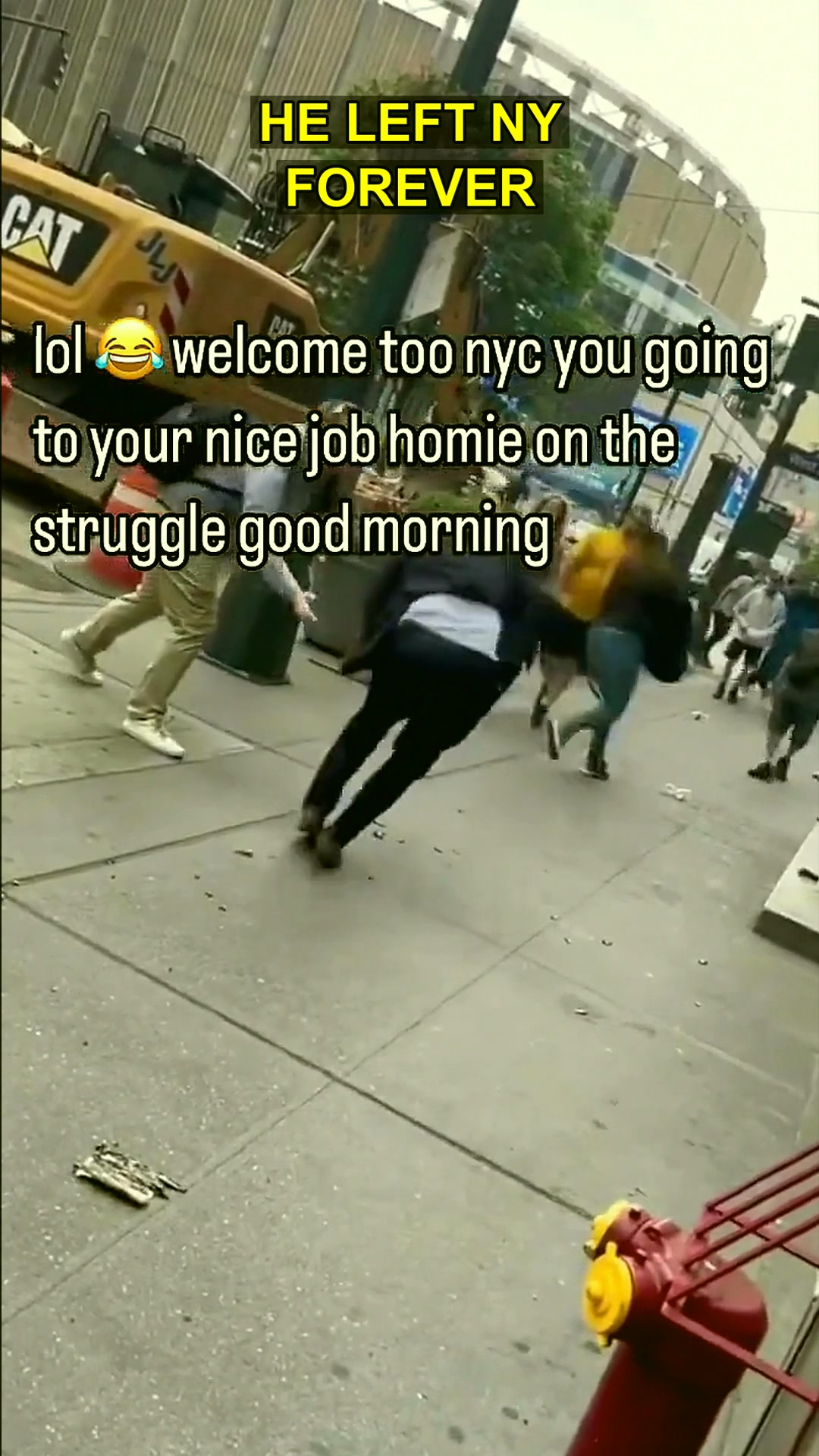
It is 7:45 AM on a Tuesday. You are clutching your overpriced coffee, mentally rehearsing a presentation, when the screech of a bottle bouncing off a parked car shatters the rhythm of the street. You turn. A figure is weaving through traffic, shouting at invisible adversaries, kicking trash cans. The crowd parts like the Red Sea. No one says a word. They just look down and keep walking.
This is the unedited truth of living in a major city. We have become desensitized to the spectacle, treating erratic behavior like a weather pattern—annoying, but inevitable. Yet, while we scroll past the video or shake our heads, we ignore the ticking financial time bomb left in the wake of this chaos. Who pays for the dented bumper? Who covers the shattered storefront glass? The answer is rarely the person swinging the bottle.
The Financial Fallout You Didn’t Sign Up For
Let’s talk about accountability, or rather, the shocking lack of it. When a person in a state of distress damages your property, the immediate assumption is that “insurance will handle it.” That is a dangerous myth. Most standard auto policies require you to carry “Uninsured Motorist Property Damage,” but that only applies to moving vehicles. If a pedestrian hurls a bottle at your parked car, you are often looking at a comprehensive claim, which hits your premium harder than a New York pothole.
For business owners, the nightmare is amplified. A smashed window on a busy street isn’t just a repair cost; it’s a security risk, a disruption to trade, and an immediate loss of inventory. The financial liability falls squarely on the owner who is already bleeding cash on rent. The person who caused the damage? They usually disappear into the system, leaving a trail of unpaid invoices and frustrated citizens. It is a sobering reminder of why you should always document everything, because the city isn’t going to pay for your silence.

The Legal Precedent Nobody Talks About
There is a common misconception that local authorities will foot the bill for cleanup or that the state has a “victim compensation fund” ready to write checks. The reality is stark. The legal precedent in most municipalities is clear: the property owner is responsible for their own security and maintenance. Unless a specific government agency caused the damage through negligence, the taxpayer is left holding the bag.
This places ordinary citizens in a terrifying position. You are forced to pursue legal options against an individual who may be suffering from severe mental illness or addiction. The courts are clogged. The evidence requirements are stringent. And the emotional toll of pursuing justice against someone who isn’t in a position to offer restitution is crushing. It feels like the system is rigged against the victim, forcing them to choose between a costly legal battle and swallowing the financial loss.
“You can sue them, you can win, and you will still never see a dime. The only person who pays is you—in legal fees, in time, and in the frustration of realizing that ‘justice’ has a price tag most of us can’t afford.”
The threat to the reader is immediate. That video you scrolled past this morning? That scene could be on your block tomorrow. The question isn’t if you will witness it, but when you will become the victim of it.

Your Only Defense: The Paper Trail
In the absence of systemic help, your survival depends on vigilance. The moment an incident occurs, your phone becomes your best legal weapon. Photograph the damage from multiple angles. Capture the license plates of any witnesses. Record the time and the date. This isn’t paranoia; it’s consumer rights protection. Without this evidence, your insurance claim is a he-said-she-said dispute that you will likely lose.
Furthermore, you need to understand the language of your policy. “Acts of God” are covered. “Acts of Strangers” are often a gray area. Call your agent immediately, but do not accept their first assessment. Push back. Ask for the specific clause that denies your claim. Often, a little persistence reveals that the insurance company is relying on your ignorance to avoid payout. They are betting on you giving up.
This culture of acceptance—where we shrug and say “that’s New York”—is a trap. It allows the financial burden to shift silently onto the shoulders of the responsible, the working, and the insured. We pay higher premiums because of the chaos, and we pay higher deductibles when it hits home. The system is not broken; it is functioning exactly as designed, protecting the institutions while exposing the individual to maximum risk.

The bottle smashes. The crowd disperses. The video gets posted online for likes and shares. But the man whose car was damaged is left standing on the curb, staring at a bill that will haunt him for months. He has no recourse against the city. He has no recourse against the perpetrator. He only has a choice: swallow the cost or enter a legal labyrinth designed to exhaust him. The sun rises again in New York, and the cycle is ready to repeat, waiting for the next unsuspecting citizen to become the punchline in someone else’s viral clip. The only question is whether you will be ready for it when it happens to you.