The Tow Truck Fallout: How Viral Stunts Meet the Cold Reality of the Justice System
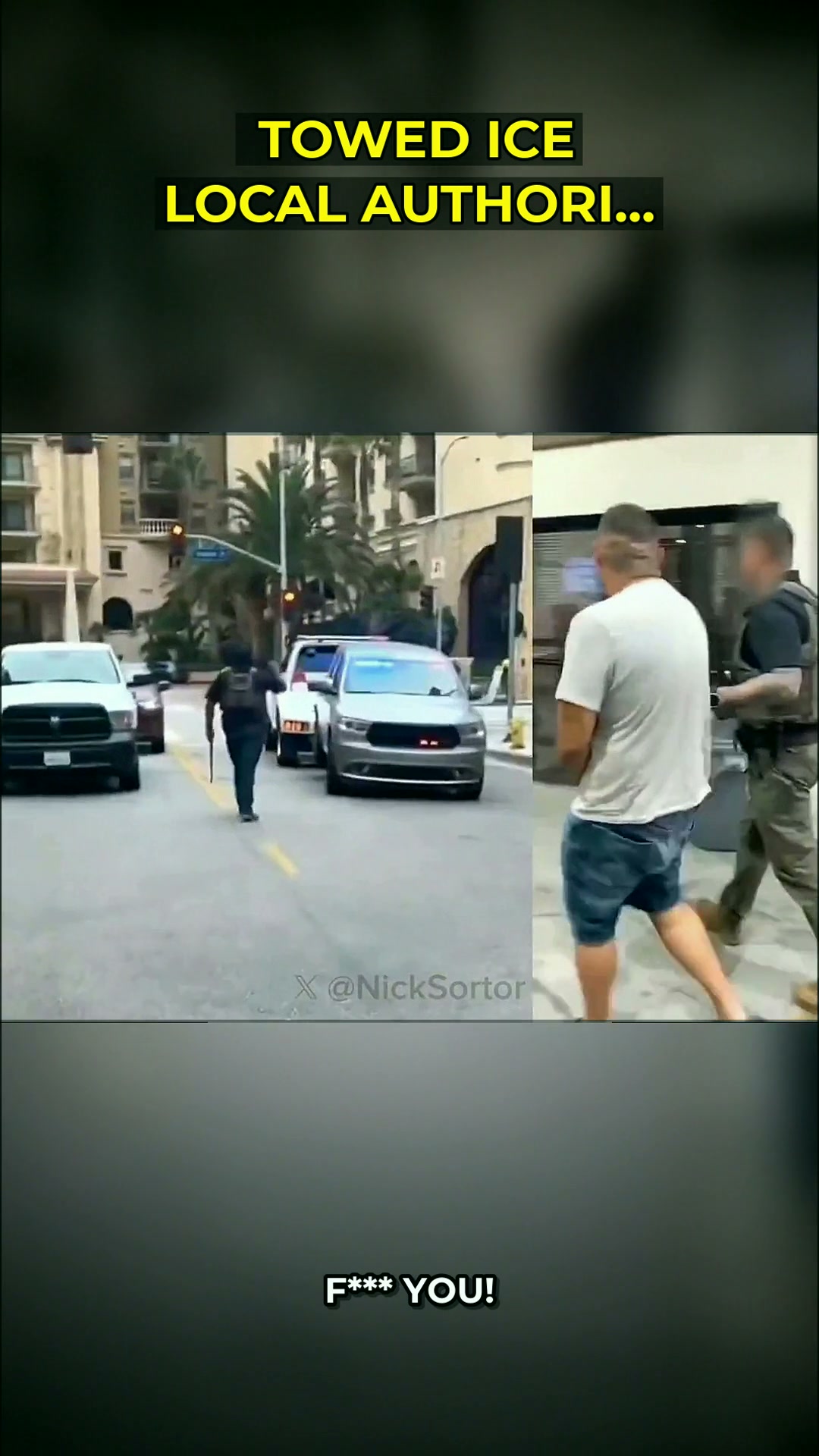
One man’s moment of viral defiance in Los Angeles has spiraled into a legal nightmare with decades of potential prison time. The question now isn’t about the video—it’s about what happens when the cameras stop rolling.
- Bobby Nunez, the man who towed an ICE vehicle during a live arrest, is now in custody and facing up to ten years behind bars.
- The case highlights a harsh divide between online fame and real-world legal accountability.
- Understanding your rights and the legal process is crucial for anyone who documents or intervenes in public operations.
The internet loves a hero. It loves the guy who yanks the chain, hooks the bumper, and drives off with federal authority dangling from his tow strap. For a few weeks, Bobby Nunez was that guy—a folk legend born from a Los Angeles street corner where a routine operation turned into a spectacle.
But the applause from the comment sections has faded. The likes have dried up. And now, Nunez is staring down a reality that no amount of retweets can fix: ten years in a federal prison cell.
The original scene was chaos. An ICE team was conducting an arrest in a public space. Cameras were rolling. Nunez, visibly agitated, decided to intervene in the only way he knew how—by hooking their vehicle and dragging it out of the picture. The footage caught him shouting, his anger directed at the agents. It was raw. It was viral. It was also, according to the legal system, a crime.

The Anatomy of a Viral Mistake
Let’s be brutally honest about what happened here. Nunez didn’t just inconvenience a few people. He inserted himself into an active law enforcement operation. In the heat of the moment, fueled by the adrenaline of a live audience, he made a choice that felt righteous in the moment but looks reckless in the rearview mirror.
He wasn’t a bystander documenting an incident. He was an active participant physically interfering with federal equipment. There is a massive difference between recording a public event and laying hands on government property to disrupt it.
Prosecutors look at cases like this and see a direct challenge to their authority. They don’t see a viral prank. They see obstruction, interference, and a blatant disregard for the rule of law. The “FAFO” crowd cheered him on, but they aren’t the ones sitting in a holding cell right now.
Nunez is. And the consequences are anything but a joke.
The Price of Performance
There is a toxic culture online that encourages people to escalate situations for content. We saw it with the “Devious Licks” trend. We saw it with people jumping on cars during protests. And now, we are seeing it with a tow truck driver who thought he was above the law because the crowd was on his side.
He wasn’t. The crowd doesn’t sign the plea deal. The crowd doesn’t sit in a courtroom waiting for a judge to read the verdict. The crowd moves on to the next outrage within 48 hours, leaving the individual to face the music alone.
“The internet will clap for you today and forget your name tomorrow. The legal system, however, has a very long memory.”
The video transcript reveals a man who was not just angry but personally offended that the arrest was happening in his line of sight. His words were laced with profanity and confusion, demanding to know why the agents were acting as they were. But in the eyes of the law, his motivation doesn’t matter. The action does.

The Legal Precedent
This case isn’t happening in a vacuum. Courts across the country have consistently ruled that interfering with federal agents performing their duties is a serious offense. The law does not carve out an exception for “viral moments” or “internet fame.”
When you touch government property to impede an operation, you are not just breaking a rule—you are challenging the entire framework of federal authority. The response is always swift and severe. It is designed to deter others from getting the same idea.
For Nunez, the road ahead involves legal representation, court appearances, and a long, uncertain process. The ten-year figure looms large, but the actual outcome depends on plea negotiations, the evidence presented, and the discretion of the court.
What is certain is that his life has irrevocably changed. The tow truck that made him famous is likely sitting in an impound lot. His reputation is now tied to a criminal case, not a viral video. The “hero” label has been replaced by something far less flattering: defendant.
Community Accountability and Moving Forward
For the communities watching this unfold, there is a sobering lesson about the difference between advocacy and obstruction. There are legal ways to challenge government actions. There are channels for complaints. There are watchdogs who operate within the bounds of the law to ensure accountability.
But hijacking a vehicle is not one of them. It creates danger. It escalates tension. And it ultimately undermines the very cause the person claims to support by painting all critics as lawless agitators.
The Los Angeles community is now left to process the aftermath. The agents involved have moved on to their next assignment. The local authorities have logged their reports. And Bobby Nunez sits in custody, waiting to see if his life will be defined by a ten-second clip or a ten-year sentence.

The cameras have stopped rolling. The comment sections have moved on to fresher outrage. But the consequences of that single moment in Los Angeles are still ticking, counting down the days until a judge decides just how much that viral stunt was really worth.
Nunez is no longer performing for the crowd. He is answering for his actions, and the only thing louder than the cheers he once heard is the silence of the cell door closing behind him.