The Hidden Medical Bill After the Smoke Clears: A Chicago Incident Exposes the Fragile Line Between Public Safety and a Child’s Hospital Visit
When a routine school day turns into a respiratory emergency, the real crisis often begins after the coughing stops—inside the billing department.
- Chemical exposure on a public street forced a toddler into medical care—but the ambulance ride, ER visit, and follow-up inhaler are just the opening line of a financial battle.
- Most standard health insurance plans classify emergency room visits for respiratory distress as “urgent,” but the out-of-pocket deductible can hit thousands before a single scan is read.
- Parents who document every symptom, every bill, and every call to the insurer have a stronger path to appeal a denial than those who wait for the paperwork to arrive.
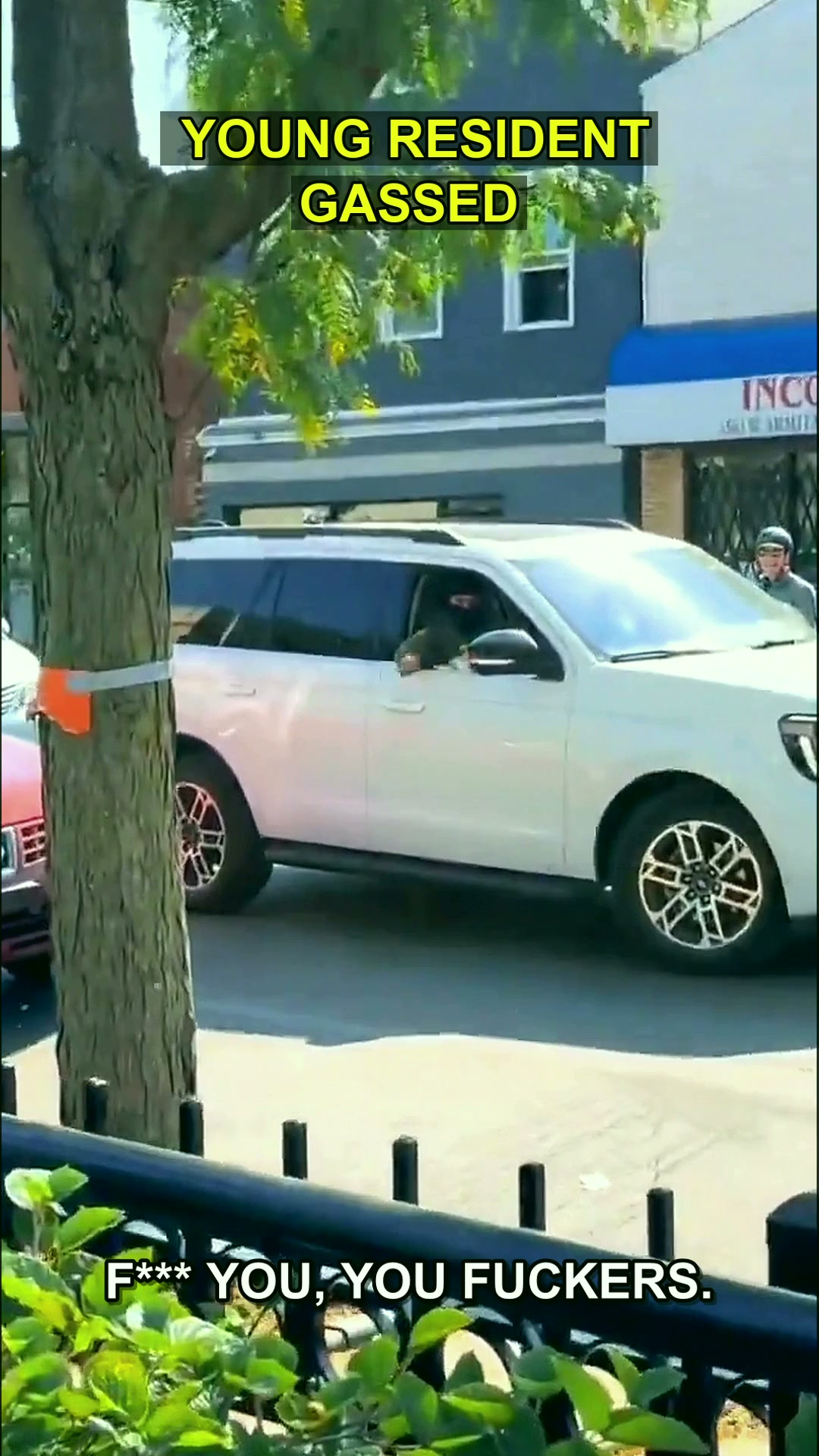
The image is burned into the minds of Chicago parents: a bright Tuesday afternoon, the kind where kids are supposed to be chasing a ball during recess, and instead, the air turns thick with a chemical fog that burns the throat and waters the eyes. A two-year-old, barely old enough to say their own name, is gasping. Adults are leaning over curbs, vomiting into the gutter. The local elementary school locks its doors, cancels recess, and prays the HVAC system filters out the chaos.
This was not a scene from a disaster movie. This was a public street in a major American city, where a federal operation met gridlocked traffic, and the decision to deploy a chemical agent turned a traffic jam into a medical triage event.

Here is the part that keeps parents up at night: the immediate danger is terrifying, but the aftermath is a labyrinth. For the family of that two-year-old, the next 72 hours are not just about breathing easier. They are about deciphering a medical bill that could rival a down payment on a used car.
The Financial Whiplash of Respiratory Distress
Let’s be brutally honest about what happens next. The ambulance ride alone—even for a short trip to the nearest emergency room—can generate a bill between $800 and $2,500 depending on the tier of service and the distance traveled. If the child is treated for inhalation injury, the ER physician will likely order oxygen saturation monitoring, chest X-rays, and possibly a nebulizer treatment.
According to publicly available hospital pricing data, an uninsured patient can face a bill of $4,000 to $12,000 for a moderate respiratory distress workup. For a family with insurance, the out-of-pocket cost still hinges on the deductible—that magic number that resets every January and often sits between $3,000 and $8,000 for a family plan.
But the real gut punch comes when the claim hits the insurer. Many policies have specific exclusions for “environmental exposure” or “chemical irritant inhalation” if the incident is classified as a public hazard event rather than an accidental injury. Parents often discover that the insurance company is not asking whether the child is okay. They are asking whether the event was “preventable” or “externally caused by a government operation”—a gray zone that can trigger a denial.

When the System Blames the Victim
This is where common sense takes a holiday. Imagine receiving a rejection letter that states the claim is denied because “the exposure occurred on a public thoroughfare and was not the result of a covered accident.” The parent reads it, checks the child’s still-ragged breathing, and wonders if the insurance adjuster has ever seen a two-year-old struggle to catch their breath.
The frustration is palpable. You did not sign up for this. You were just driving home, or picking up your kid from school, and suddenly your family is collateral damage in a logistical breakdown. The anger is justified. The accountability, however, is often buried under layers of jurisdictional red tape.
“They told us to wait for the claim to process. Meanwhile, the pharmacy bill for the inhaler was due upfront. We had to put it on a credit card just to get the medicine home.”
This is the unedited truth about navigating the health system after an unexpected public incident: the paperwork does not pause for trauma. The bills arrive with a cold urgency, demanding payment within 30 days, while the emotional bandwidth of the parents is still consumed by the sound of their child coughing.
The Legal Precedent: Who Pays When the Streets Turn Toxic?
There is a legal concept known as “governmental immunity” that protects federal agencies from most tort claims arising from operational decisions made in the field. This means that even if the deployment of the chemical agent on a crowded street is later deemed excessive, the family of that two-year-old faces an uphill battle to recover medical costs directly from the entity that authorized the operation.
Legal experts point to the Federal Tort Claims Act, which allows citizens to sue the government for negligence, but it explicitly exempts claims arising from “assault, battery, false imprisonment, false arrest, malicious prosecution, abuse of process, libel, slander, misrepresentation, deceit, or interference with contract rights.” More critically, the act requires exhausting administrative remedies first—a process that can take six months to a year before a lawsuit can even be filed.
For a family already juggling medical bills, the prospect of a multi-year legal battle is not a relief. It is another source of anxiety. The reality is that most families will not sue. They will file the claims, argue with the adjusters, and eventually pay whatever the insurance does not cover out of their savings or their credit card limits.

Patient Advocacy: The Only Defense You Have
So what can the average person actually do, right now, to prepare for an event that feels impossible to predict? The answer is not to live in fear, but to build a shield of documentation.
First, if you are ever in a situation where you or your child inhales a chemical irritant, do not wait for symptoms to escalate. Seek medical evaluation immediately. Second, request a copy of every record from the visit—the triage notes, the physician’s assessment, the discharge instructions. These documents are your ammunition. They prove that the injury happened, that it was acute, and that it required medical intervention.
Third, when the insurance claim is filed, do not assume it is accurate. Call the insurer within 48 hours of the visit to confirm the claim number and the coverage status. Ask specifically whether “chemical inhalation” is a covered diagnosis under your plan. If the representative hesitates, ask for the denial rationale in writing. That written denial is the key to filing an appeal.
Fourth, contact your state’s insurance commissioner’s office. Most states have a consumer protection division that handles disputes between policyholders and insurers. A single complaint can trigger a review that forces the insurer to justify their decision. This is not a fast process, but it is a free one.
The bottom line is harsh: in the aftermath of a public incident that turns a street into a hazard zone, the only person guaranteed to fight for your family’s financial health is you. The system is not designed to be malicious; it is designed to process claims efficiently. But efficiency does not equal empathy.
As the sun sets over Chicago, that elementary school will resume its normal schedule tomorrow. The children will play outside again. But the family of that two-year-old will be on the phone with a billing specialist, trying to explain that their child’s first real memory of the city should not be a hospital gown and a mask over their face.
The chemical fog has cleared. The paperwork has just begun.