The Unchecked Sprawl on New York’s Most Expensive Streets Is Now a Full-Blown Quality-of-Life Crisis
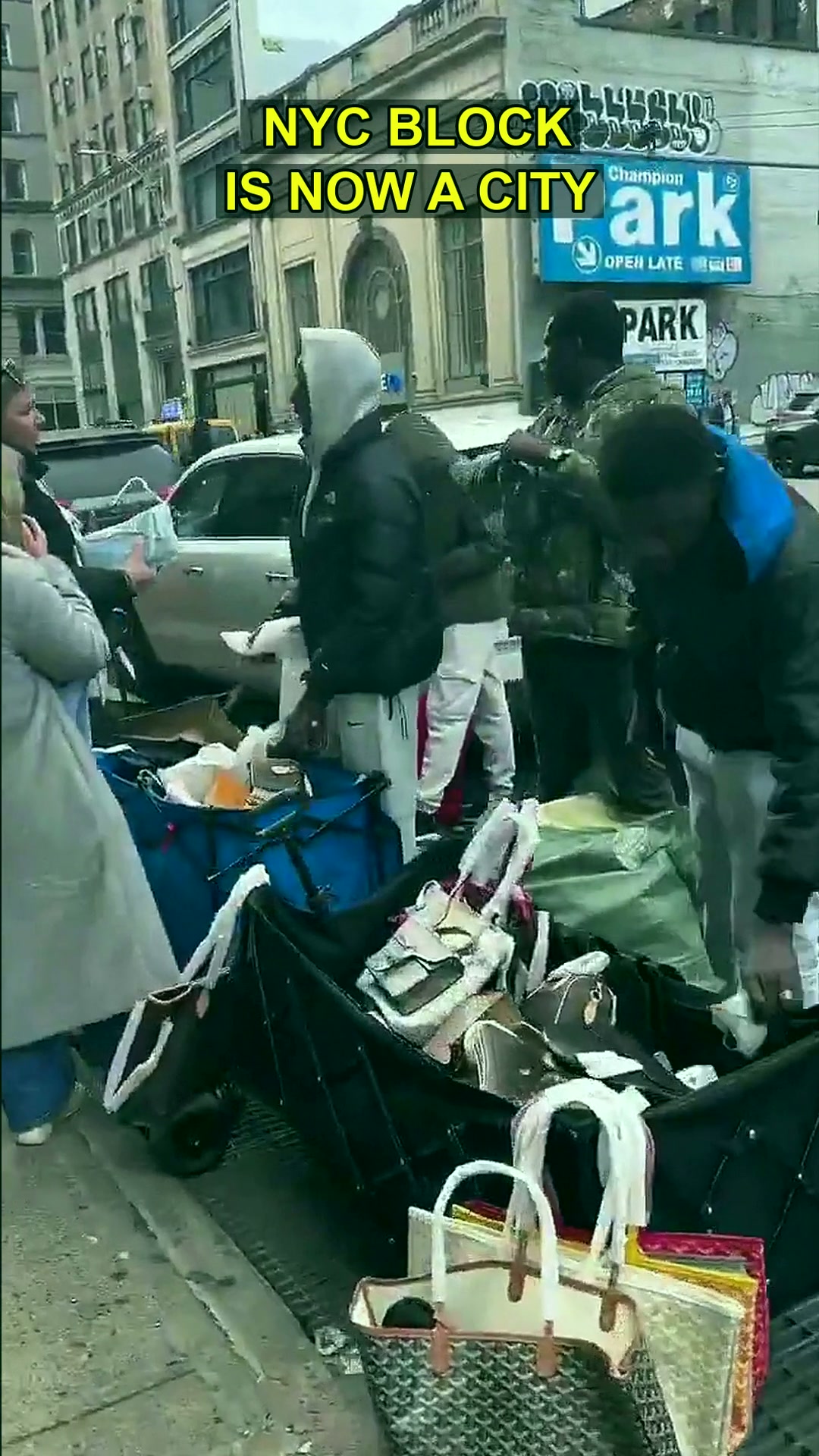
A walk down Canal Street reveals a block-by-block takeover that is testing the patience of residents and property owners in Tribeca and SoHo.
- Unregulated vending operations are expanding from Canal Street deep into the luxury enclaves of Tribeca and SoHo.
- Residents in multi-million-dollar properties are facing daily navigation challenges and concerns over cleanliness and safety on their own doorsteps.
- The situation highlights a broader need for consistent enforcement and clear municipal guidelines to protect public spaces and local businesses.
Imagine paying top dollar for a slice of Manhattan luxury, only to step out your front door into what looks like an unregulated open-air market. That is the reality for residents in one of New York City’s most coveted neighborhoods, where the chaos is no longer confined to tourist traps.
The video, shot on a typical day, captures the sheer scale of the situation. The narrator walks south on Canal Street, pointing out how the issue has “metastasized” and is spreading “block by block.” This isn’t just a few scattered tables. This is a relentless wave of merchandise, makeshift displays, and foot traffic congestion that is swallowing the sidewalks.

The most jarring part? The location. This isn’t a forgotten industrial zone. This is Tribeca and SoHo—territory known for celebrity sightings, high-end boutiques, and real estate that commands astronomical prices. The narrator emphasizes the irony: “multi-million dollar homes, property taxes through the roof, and this is what you get.”
The Escalating Frustration in Luxury Districts
For the people who call these neighborhoods home, the frustration is boiling over. They pay a premium for tree-lined streets and curated storefronts, not for a daily obstacle course. The visual blight is one thing, but the implications run deeper, touching on pedestrian safety and the devaluation of the neighborhood’s exclusive character.
“This is the most expensive real estate in New York City… and this is what you get.”
The narrator notes that this area was “completely cleared before,” suggesting this is not a new problem but a recurring one that snaps back with a vengeance. The comment that the sprawl is “going to need its own ZIP Code soon” might sound like hyperbole, but for those walking the streets daily, it feels like an unedited truth.
Long-time residents express a sense of abandonment. They see the same cycle repeat: a crackdown, a temporary clearing, and then a return to business as usual, often larger than before. This lack of permanence in enforcement fuels a sense that common sense and basic respect for public space are disappearing.
The Ripple Effect on Local Commerce and Daily Life
It’s not just homeowners who feel the pinch. Legitimate brick-and-mortar businesses in SoHo pay staggering rents. They invest in storefronts, pay taxes, and follow the rules. Watching unregulated operations set up shop right outside their doors, often selling similar goods without the overhead or accountability, is a gut punch to fair competition.
Pedestrians are forced into the streets to dodge the crowds, creating dangerous interactions with delivery trucks and taxis. Emergency access becomes complicated when sidewalks are choked with displays. The quality of life is eroding in real-time, turning a simple walk to the grocery store into a stressful negotiation.
For senior residents and those with mobility issues, the situation is even more dire. Navigating uneven sidewalks packed with merchandise displays is not just an inconvenience; it is a genuine safety hazard. The very infrastructure that was designed for accessibility is being compromised daily, raising concerns about the enforcement of disability access laws.
The Accountability Question for City Management
The core of the outrage lies in the question of accountability. Who is responsible for maintaining order in these public spaces? Residents argue that the lack of consistent enforcement signals a green light for further expansion. If the rules are not applied uniformly, why would anyone follow them?
This is a textbook case of the “broken windows” theory playing out in real time. When minor infractions go unchecked, it creates an environment where more significant disruptions are tolerated. The concern is that if this level of congestion is allowed to persist in the most visible and expensive neighborhoods, what is happening in less prominent areas?

The video ends without a solution, leaving the viewer with the jarring image of a city landmark being swallowed by disorder. The narrator’s tone is one of disbelief, a sentiment shared by many who watch their city’s character shift beneath their feet.
The sentiment of residents is clear: they demand the same level of protection for their sidewalks as they receive for their property rights. They want to feel safe and proud of their neighborhoods again. The clock is ticking as the sprawl continues its march, block by relentless block, waiting for a response that matches the scale of the problem.