The Moment a Taco Bell Employee Drew the Line: A Story of Chaos, Consequence, and Community Safety
When vandalism erupts in a fast-food spot, who is truly responsible for drawing the line?
- An act of vandalism at a Los Angeles Taco Bell escalated into a physical dispute, raising questions about employee safety protocols.
- The incident underscores a growing public frustration with a perceived lack of accountability for destructive behavior in everyday spaces.
- The viral video has ignited a polarized debate about the limits of self-defense and the role of bystanders in maintaining public order.
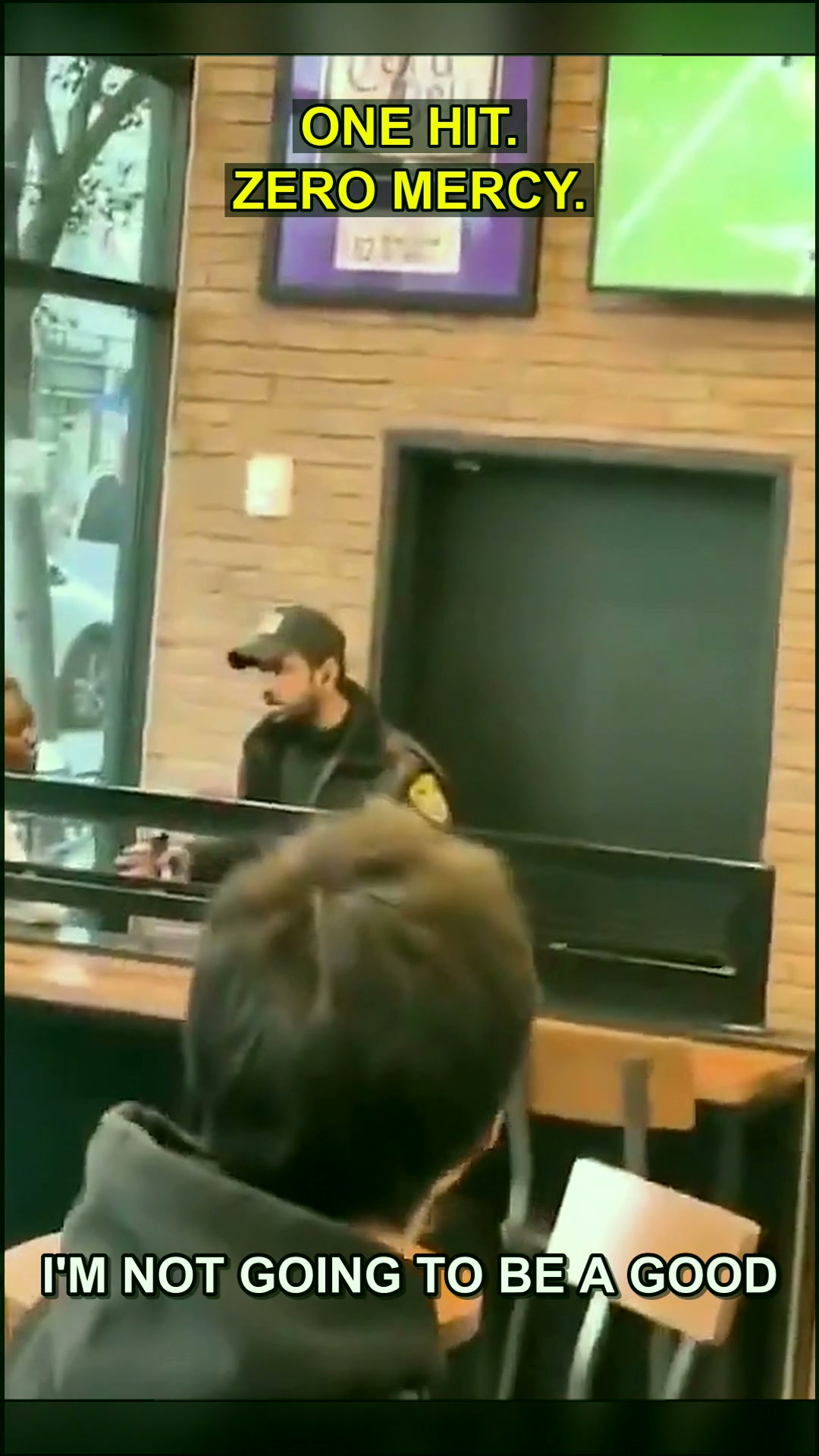
An ordinary afternoon at a fast-food drive-thru turned into a spectacle that has the internet divided. It started with a woman entering a Taco Bell in Los Angeles, not for a crunchwrap, but for chaos. Witnesses say she began vandalizing the property, sending employees and customers into a state of alarm.
The tension in the room was palpable. Most people freeze when confronted with unpredictable behavior. But one employee, identified by onlookers as Mustafa, decided he had seen enough. What happened next was swift, brutal, and captured on a cellphone camera, turning a local disturbance into a national talking point.

The Breaking Point: When Decorum Dies
The video footage shows the woman in a state of high agitation, her actions disrupting the business flow. You can almost hear the collective gasp from other customers who just wanted to grab a bite, not a front-row seat to a meltdown. It is exactly the kind of scenario that makes you wonder, what would you do if you were behind the counter?
Mustafa’s response was not a gentle request to leave. It was a decisive, physical intervention that sent the woman stumbling out of the establishment. The sound of the impact is jarring, a stark contrast to the usual hum of soda fountains and order kiosks. This was not a customer service issue anymore; it was a line in the sand.
“You can only push people so far before they decide that your chaos is not welcome in their space.”
This incident is not just about a single employee losing his cool. It speaks to a deeper, simmering frustration felt by many front-line workers across the country. They are tired of being doormats for a society that sometimes forgets basic decency and respect. When you spend your shift cleaning up after people, the last thing you should have to tolerate is someone actively destroying your workplace.
The debate is raging online. Some viewers are hailing Mustafa as a local hero, a man who enforced a basic rule of civilization: you do not destroy property that isn’t yours. They argue that his quick action prevented further damage and sent a clear message that this behavior would not be tolerated.

The Human Cost of a Viral Moment
Yet, others watch the clip with a sense of unease. They wonder about the legal implications for Mustafa. Did he go too far? While the woman’s actions were clearly wrong, the physical response was intense, to say the least. This is where the story shifts from a simple case of vandalism to a complex discussion about justice and proportionality.
We have to ask ourselves: what is the real cost of this moment? For the woman, it was a harsh lesson in consequences. For Mustafa, it could mean a job review, a potential lawsuit, or even criminal charges, depending on how local authorities decide to view the footage. The line between defending your workplace and committing an act of aggression is thinner than many think.
This story resonates because it feels familiar. We have all seen the viral videos of disruptive individuals in stores, and we have all felt that pang of frustration. But seeing an employee take the law into his own hands forces us to confront our own beliefs about safety and accountability. It is a raw, unedited truth about the pressure cooker environment that many retail and food service workers navigate daily.
The Legal Precedent: A Gray Area of Self-Defense
In California, the laws surrounding the use of force in defense of property are notoriously restrictive. Unlike defending a person, where you have a right to use reasonable force to stop an imminent harm, defending property often carries a higher burden. The law generally requires an individual to request that the person stop the harmful behavior before resorting to physical means, unless doing so would be futile or dangerous.
Mustafa’s actions are likely to be scrutinized under this lens. Did he give a verbal warning first? Was the physical force he used considered “reasonable” to stop the vandalism? Legal experts suggest that while the woman had no right to damage the restaurant, the employee’s response might be seen as excessive, transforming him from a victim of vandalism into a potential aggressor in the eyes of the law. This is the terrifying reality for any worker who feels compelled to act.
The community reaction is split, but one thing is certain: this video has sparked a necessary conversation about the safety of those who serve us. It highlights the need for better protocols for handling violent or disruptive individuals, so that employees are not forced into impossible situations where they must choose between their safety and their job.
We are left with a story that has no tidy ending. The woman faced immediate consequences for her actions, but the long-term repercussions for the employee are still unknown. The video has been seen by millions, but the human stories behind it are still being written. Was this a justified act of standing up for what is right, or a dangerous escalation that could have ended much worse? The answer depends on who you ask, and that uncertainty is exactly why this clip has captured the nation’s attention. The only certainty is that for a brief moment in Los Angeles, the rules of polite society were suspended, and we are all left to grapple with the fallout.