The Unspoken Rage of the Job Hunt: When Desperation Boils Over in Public
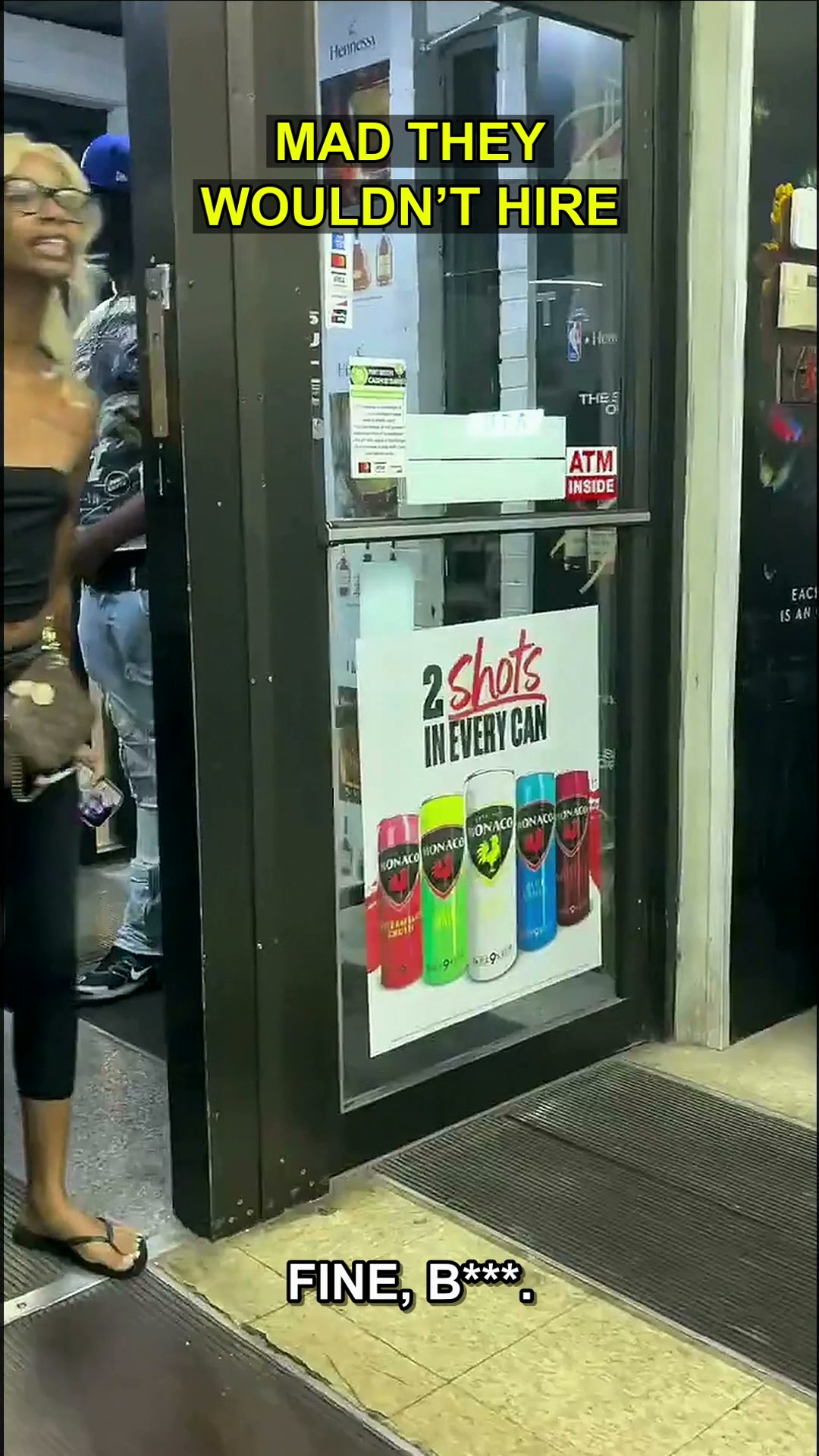
Witnessing a blowout over a store that “ain’t hiring” reveals a deeper crisis about worker dignity, employer power, and the total lack of accountability in the hiring process.
- Public outbursts over unemployment are a symptom of a broken system, not just bad manners.
- Workers have fewer legal protections than they realize when applying for jobs, leaving them vulnerable to humiliation.
- Employer silence and opaque hiring practices create a pressure cooker of frustration for the average American.
- Understanding your rights regarding workplace discrimination and hiring practices is the only shield you have.
Imagine standing on a public sidewalk, your last bit of hope pinned on a “Now Hiring” sign, only to be met with a shrug and a door slammed in your face. Now imagine the pressure cooker finally bursting. That is the scene captured in a raw, viral video that shows a screaming match erupting over a simple, devastating fact: the store isn’t hiring. The video is chaotic, laced with profanity, and deeply uncomfortable to watch, but it strips away the polite veneer of the job hunt to reveal the festering sore of worker desperation.
This isn’t just about two people losing their cool on the street. It is a portrait of the American workforce in 2024, where the gap between needing a job and getting a job feels like a canyon you can’t cross. The rage on display isn’t random; it is the sound of a person who has run out of options, confronting a system that feels rigged against them at every turn.

When you watch the clip, you hear the venom in the voices. “You got your life, you got your right,” one person screams, a phrase that sounds less like a coherent argument and more like the rambling of someone trying to convince themselves they still have agency. The other party fires back with threats, defending their corner of the concrete jungle. But strip away the insults, and you are left with two people fighting over the scraps of economic opportunity that a single “Help Wanted” sign represents.
The Silent Gatekeepers: Why “We’re Not Hiring” Feels Like a Personal Attack
Let’s be brutally honest about the modern application process. You walk into a store, you ask for a manager, you are told to “apply online.” You go home, you spend an hour entering your life story into a clunky portal, and then… silence. No call. No email. Just a void where your dignity used to be. The video captures the moment when that silence is replaced by a scream.
For the person on the receiving end of the “no,” it is never just about the job. It is about the rent due in three days. It is about the child who needs new shoes. It is about the mounting pressure of being told to “pull yourself up by your bootstraps” when you don’t even have boots. The anger isn’t directed at the minimum-wage clerk behind the counter; it is directed at the entire machinery of employer power that treats human beings like disposable inventory.
“The modern worker is not asking for a handout; they are asking for a chance. When that chance is denied without explanation, you are not just rejecting a candidate—you are rejecting their humanity.”
This is where the concept of employer accountability comes crashing into reality. Many workers believe they have a right to a fair shot, but legally, most states operate under “at-will” employment. This means a company can refuse to hire you for almost any reason, or no reason at all, as long as it isn’t explicitly discriminatory based on race, gender, religion, or disability. They don’t have to tell you why you were rejected. They don’t have to give you feedback. They hold all the cards, and they know it.

The Legal Precedent: What Protections Actually Exist for the Frustrated Applicant?
In the heat of the moment, the threats thrown around in the video seem like the only language of power the speaker knows. But the real battlefield is the courtroom, or the labor board. The moment a hiring manager makes a comment about your “faith follows” or insinuates you don’t “fit” the culture, they might be stepping into dangerous legal territory regarding workplace discrimination.
Title VII of the Civil Rights Act of 1964 is the big hammer here. It prohibits employment discrimination based on race, color, religion, sex, or national origin. If that person screaming on the sidewalk was denied a job because of their appearance or a perceived characteristic, they might have a case. But here is the dirty secret: proving it is nearly impossible. Without a “smoking gun” email or a witness to a discriminatory comment, the employer can simply say, “We found a more qualified candidate.” Game over.
Then there is the National Labor Relations Act (NLRA), which protects employees’ rights to engage in “concerted activity” for mutual aid or protection. This means if you are complaining about wages or working conditions with co-workers, you are protected. But you have to be an employee first. For the job applicant, the protection is razor-thin. They are standing outside the gates, looking in, with no union rep and no HR advocate to turn to.
The True Cost of the “Concrete Jungle” Mindset
What is most striking about the video is not the anger, but the environment. The caption calls it “the jungle,” a term that dehumanizes the struggle. But look closer. These are not animals fighting over meat; they are citizens fighting over the right to work. The “jungle” is the economic landscape where the strong (employers) prey on the weak (job seekers) without consequence. The lack of common sense and basic respect is on both sides of the counter.
When a potential employer looks at a candidate who is visibly frustrated, they don’t see a person in crisis. They see a “liability.” They see the confrontation on the sidewalk and use it to justify their own biased hiring practices. It is a vicious cycle. The system creates the desperation, the desperation creates the outburst, and the outburst is used to justify the exclusion.

This video is a warning shot. It shows what happens when the social contract is broken. We tell people to work hard, to knock on doors, to ask for the manager. But when they do, they are met with algorithms, automated rejection emails, and silence. Eventually, that silence turns into a shout. And that shout is the only form of protest a disenfranchised worker has left.
You can call it a “typical day in the jungle,” but that is a convenient way to ignore the rot. The real issue is that we have built a labor market where the worker carries all the risk and the employer holds all the power. The person screaming on the sidewalk is just the visible symptom of a terminal disease in our employment system. They are not the problem. They are the result. And until the rules of engagement change, the only thing waiting for them is the cold shoulder of a store that “ain’t hiring.”