The Night Shift Nightmare: When Protecting Your Job Means Risking Your Life
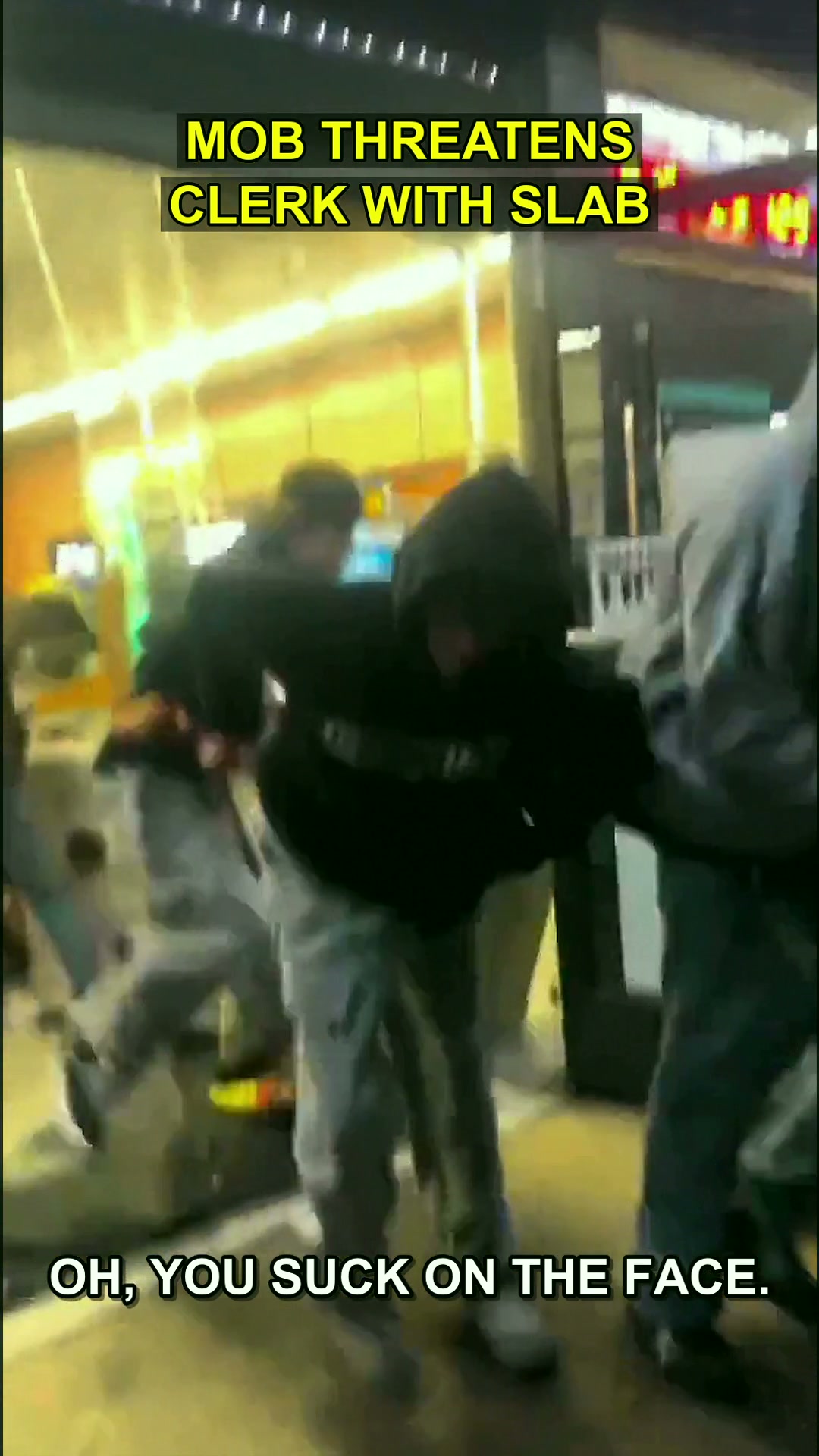
A lone clerk’s desperate stand against a flash mob exposes the ugly truth about workplace safety rules that leave workers utterly exposed.
- Retail workers are often left alone during high-risk hours with no formal crisis protocol.
- Employees face an impossible choice: follow corporate rules and risk physical harm, or protect themselves and face disciplinary action.
- Legal protections for workers in these situations are weaker than most people assume, leaving the burden squarely on the individual.
Imagine standing behind a counter at 2 AM, the only soul in the building, when a swarm of masked figures descends on the glass doors. You have seconds to decide: do you try to lock them out and become a target, or do you step aside and let them take everything?
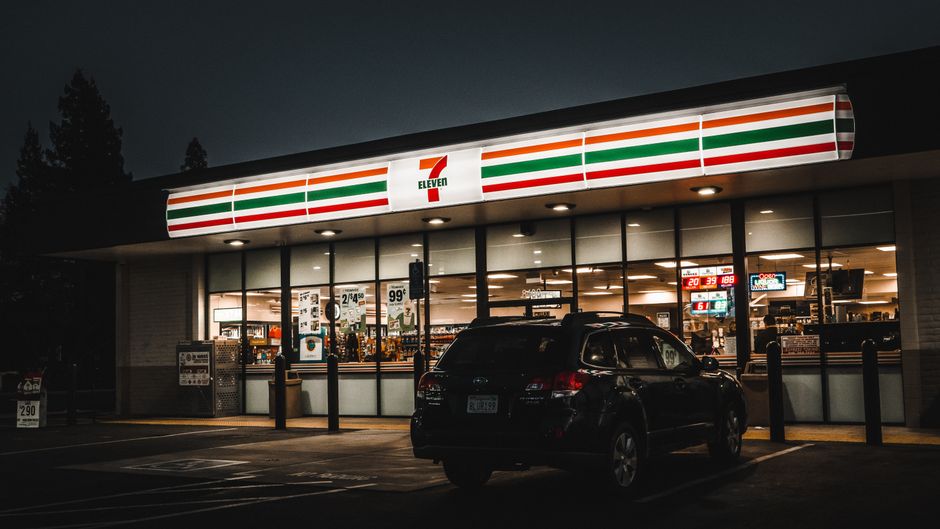
That was the horrifying reality for one 7-Eleven employee in Los Angeles on October 5th. Video footage captures the lone worker rushing to secure the entrance as a mob approaches. His instinct to protect the store was met not with hesitation from the crowd, but with a raised concrete slab aimed directly at him.
He backed off. The mob poured in. And the store was stripped bare in moments.
The Impossible Choice For Every Retail Worker
Let’s be brutally honest about what this video shows. It shows a man who was put in harm’s way by the very structure of his job. He was alone. He was unarmed. And he was expected to be the first line of defense for corporate inventory.
Retail giants love to talk about “shrinkage” and “loss prevention.” But when the doors burst open, the only “prevention” standing there is a minimum-wage employee who hasn’t received a single hour of security training.
This isn’t about a stolen bag of chips. This is about a system that values the cash in the register over the blood of the person standing next to it.
The worker in that video did exactly what he was trained to do by instinct—he tried to protect the asset. But the moment he did, he was threatened with severe physical harm. Where is the logic in that?
“The real crime isn’t just the looting. It’s the fact that this employee was set up to fail by a corporation that refuses to staff enough people to keep the doors safe.”

Why “Just Let Them Take It” Is Not A Real Policy
You will hear armchair experts say, “Why didn’t he just step back? It’s just stuff.” That sounds logical in a living room. But it falls apart in the reality of the workplace.
In many corporate handbooks, the policy is ambiguous. If an employee abandons the register or fails to “make a reasonable effort” to secure the premises, they can be terminated for dereliction of duty. If they resist, they risk their life and face potential legal liability if someone gets hurt.
This is the trap. You are damned if you do, and damned if you don’t. The employee in Los Angeles chose to try and lock the door. For that thirty seconds of courage, he was met with a weapon. What is the protocol for that? Is there a line in the training manual that says, “If threatened with a concrete slab, retreat immediately”?
There isn’t. There is just silence from the top.
This incident highlights a gross failure in employer accountability. When a business decides to run a “ghost ship” with minimal staffing to save on payroll, they are making a calculated bet. They are betting that nothing bad will happen. On October 5th, the house lost, and the worker paid the price.
The Legal Precedent: What Protection Actually Exists?
When we talk about worker rights in these situations, the conversation usually drifts to workers’ compensation. But getting a medical bill paid after you are hurt is not the same as preventing the injury in the first place.
California law is often seen as progressive on labor issues, but the reality is that an employer can often argue that a “flash mob” is an unforeseeable event. If it is unforeseeable, they argue, they cannot be held responsible for not preparing for it.
This is the loophole that leaves workers vulnerable. The “unforeseeable” excuse allows corporations to ignore the rising tide of organized retail crime until it is literally on their doorstep. The burden of risk is shifted entirely onto the shoulders of the lowest-paid person in the building.

The question that needs to be asked is not “Why did the mob do this?” We know why. They are criminals. The question is: “Why was this worker left to face them alone?”
That is a question that demands accountability. It demands a review of staffing models that prioritize quarterly earnings over human safety. It demands an answer from the executives who set these policies but are never the ones standing behind the counter when the glass shatters.
Until that answer comes, every night shift worker is a sitting target. They are the shields for corporate profits, and the system is broken.