The Baton Blow: A Split-Second Accident or a Legal Storm Brewing?
One Virginia high school runner’s life is turned upside down after a viral video shows a relay race gone horribly wrong, raising serious questions about liability, victim rights, and the unforgiving nature of the internet.
- The viral incident highlights the immediate and severe consequences of on-field accidents in high-stakes competition.
- Legal experts weigh in on the difference between a civil tort claim and a simple accident, focusing on the intent and recklessness of the athlete.
- Beyond the track, the athlete faces a brutal trial by social media, raising concerns about mental health and the need for due process.
- For the injured runner, the path forward involves understanding her legal rights to medical expenses and potential compensation for pain and suffering.
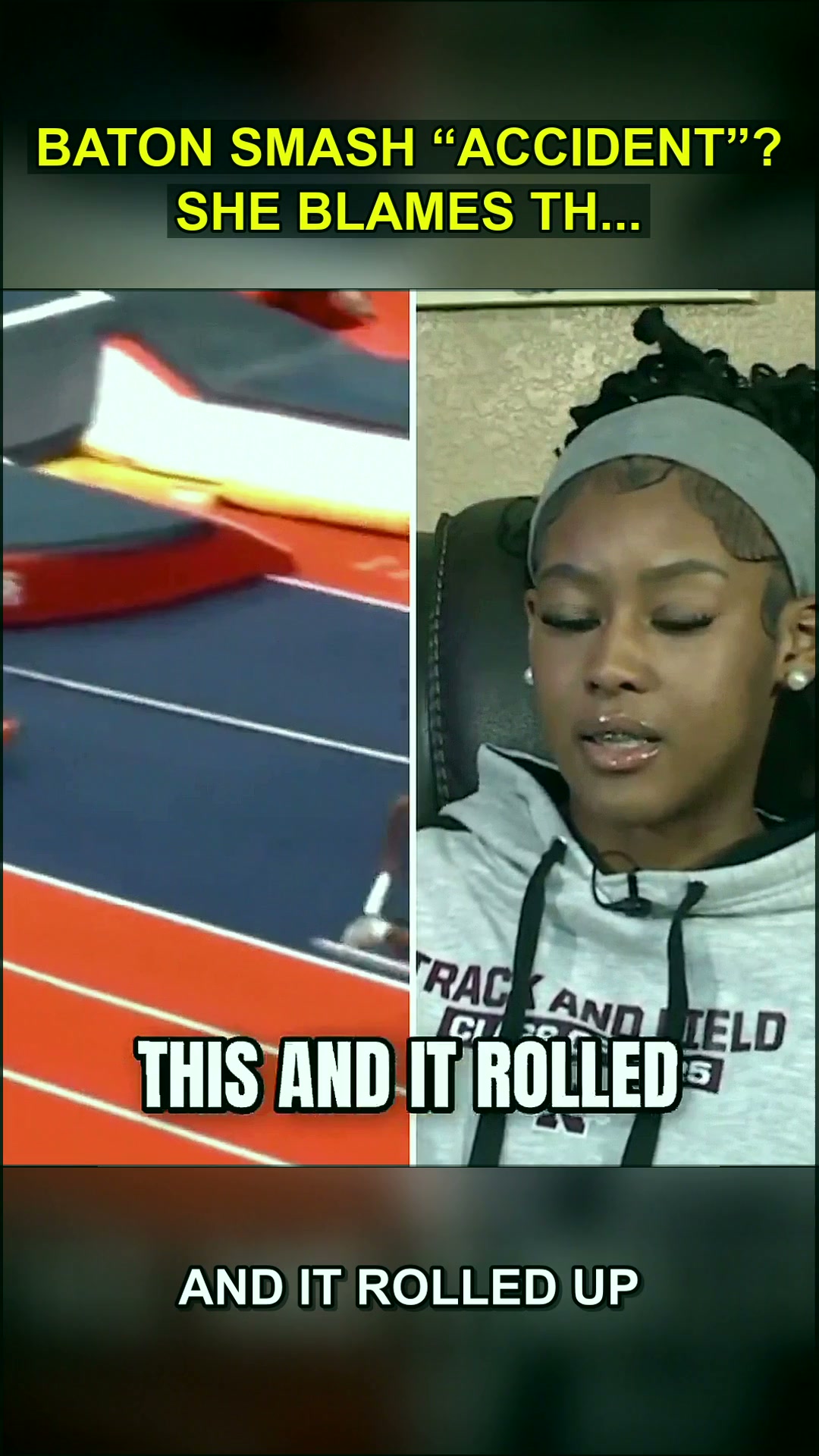
The echo of the starter pistol hadn’t even faded before the roar of the crowd turned into a collective gasp of horror. In a split second, a high school relay race in Virginia transformed from a test of athletic grit into a scene of chaotic injury, all because of a swinging metal baton. The footage, now viewed millions of times, shows I.C. Norcom High School runner Alaila Everett appearing to strike a competitor from Brooks High School in the back of the head, sending her sprawling to the track.
But what the video doesn’t show is the aftermath. It doesn’t capture the alleged victim’s concussion, the dizzying disorientation, or the frantic worry of her parents in the stands. It also doesn’t show the torrent of abuse, racial slurs, and outright death concerns that have since flooded Alaila Everett’s digital life. This isn’t just a story about a track accident; it’s a stark look at how a single moment, frozen in a viral clip, can shatter two young lives and ignite a legal and ethical firestorm.

The Physics of a “Misunderstanding”
Alaila Everett is not staying silent. In an exclusive interview, she paints a picture of a chaotic race where contact is inevitable, claiming, “My baton got stuck behind her back like this, and it rolled up her back. I lost my balance, and when I pumped my arms again, she got hit.” Her defense rests on a single, fragile word: accident. She insists, “I know my intentions, and I would never hit somebody on purpose.”
But for many watching the clip, the looping motion of the baton looks anything but accidental. The public is dissecting every frame, questioning how a simple stick can become a weapon. The divide is instant and vicious. On one side, there is a demand for accountability, with many calling for the runner to be banned from the sport. On the other, a quieter voice pleads for context, asking how we can judge intent from a shaky, 15-second video.
“They’re assuming my character, calling me ghetto, racist slurs, death [concerns]. They’re going off of one angle.”
This is the crux of the modern outrage machine: the collision of a complex human moment with the internet’s insatiable demand for simple narratives. There is no room for “maybe” in a viral video. There is only the crime and the punishment. Alaila Everett is learning this the hard way, experiencing a level of public scrutiny that would break most adults, let alone a teenager trying to navigate the already brutal social hierarchy of high school.
Your Rights on the Track: When an “Accident” Isn’t Just an Accident
For the family of the injured runner, the question isn’t just about sportsmanship; it’s about the future. A head injury on the track is not a scrape on the knee. It can mean months of cognitive therapy, difficulty in school, and a mountain of medical bills that can cripple a family’s finances. This is where the world of personal injury law intersects with the raw emotion of the track.
In the United States, if you are injured due to the negligence or reckless conduct of another person, you have the right to seek compensation. The key legal term here is “liability.” Was the act a pure accident, a foreseeable risk of the sport? Or was it a reckless disregard for the safety of others? While athletes assume a certain level of risk when they step onto the field, they do not consent to being struck with a weapon-like object. A personal injury lawyer would be tasked with proving that Alaila Everett’s actions went beyond the pale of normal competitive contact.
The Legal Precedent: The Fine Line Between Sport and Tort
This case echoes the legal battles seen in professional sports, where the “contact sports exception” often protects athletes from liability for injuries caused during play. However, this immunity is not absolute. When an athlete acts with a deliberate intent to injure, or with a reckless disregard for the safety of another player, the courts have consistently held them accountable. The viral video becomes the central piece of evidence in this dispute.
For the injured runner, the legal strategy would involve documenting every medical expense, from the emergency room visit to follow-up neurology appointments. They would need to establish a clear timeline of the injury and its impact on her daily life. The goal is to build a case for a settlement claim that covers not only the immediate medical costs but also the “pain and suffering” endured. In the court of public opinion, Alaila Everett has already been convicted. In a court of law, however, the burden of proof is much heavier.
Alaila Everett is asking the world to think about her feelings, to see her side of the story. She speaks of the emotional whiplash of going from a student-athlete to a national pariah overnight. But while she pleads for empathy, the alleged victim is left to deal with the physical consequences of that baton strike. The contrast is stark: one girl worries about her reputation, the other worries about her next test, her next memory, her next step without dizziness.

The school districts are now involved, with the Virginia High School League reviewing the incident. Sportsmanship rules are clear, but the potential for a civil lawsuit looms large. The family of the injured runner has every right to seek legal counsel to understand their options. They are not just victims of a bad race; they are potential plaintiffs in a case that will determine who pays for the damage done by that metallic baton.
The video continues to be shared, memed, and dissected. Alaila Everett’s life is on hold as she faces a torrent of online abuse that she says is based on a single, misleading angle. She claims she is a good person who made a mistake in a high-pressure moment. The public, however, is unforgiving. They see a pattern of behavior in a two-second loop, and they have passed their own sentence. The only question that remains is whether the legal system will follow suit, or if the “accident” defense will hold up under the cold, hard scrutiny of the law.