The Viral Tow That Backfired: A Los Angeles Incident and the Heavy Price of Accountability
When a stunt meant to disrupt an operation spirals into a ten-year legal battle, the line between viral fame and real-world consequences blurs.
- Bobby Nunez, who towed a federal vehicle during an active operation, now faces serious legal jeopardy.
- The incident highlights the stark difference between performing for a camera and facing the justice system.
- Legal experts point to the severe penalties for interfering with federal duties, which can carry decades-long sentences.
- This case serves as a critical example of how community actions are weighed against the letter of the law.
Imagine the scene: a quiet street in Los Angeles suddenly becomes the backdrop for a high-stakes federal operation. In the middle of the chaos, a tow truck driver sees an opportunity to insert himself into the narrative. He hooks up a government vehicle and pulls it away, all while cameras roll. The clip goes viral. He is hailed as a folk hero by some, a rule-breaker by others.
But the internet’s applause fades quickly. The real world operates on a different set of rules, where actions have concrete, unforgiving consequences. That man, identified as Bobby Nunez, is now learning that lesson the hard way, sitting on the wrong side of a potential ten-year prison sentence. What started as a moment of viral defiance has transformed into a legal nightmare.
The Moment That Exploded Online
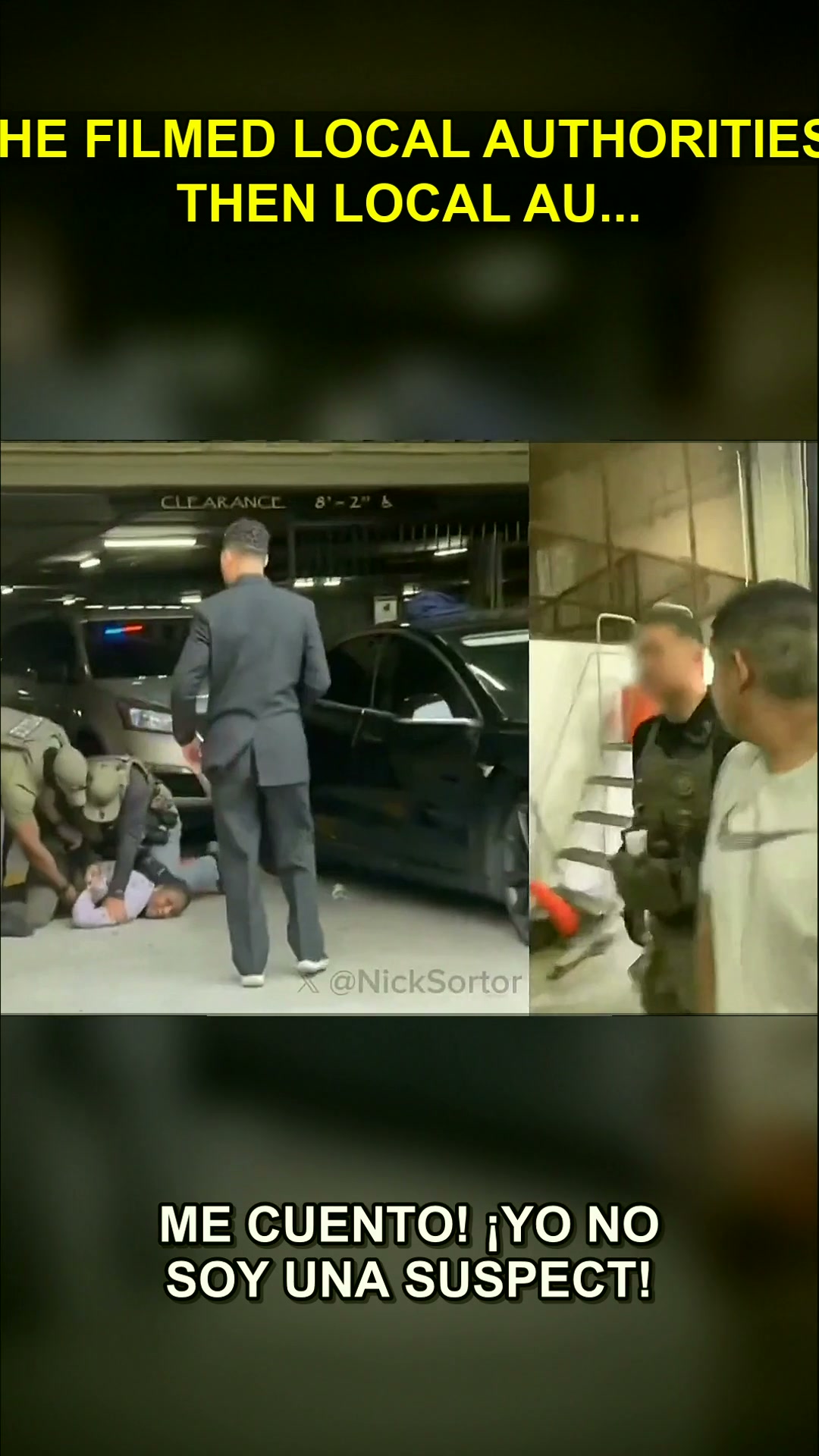
The original video footage painted a chaotic picture. Federal agents were in the middle of an operation, attempting to detain an individual. From the periphery, Nunez approached, seemingly fueled by anger over the situation being filmed. In a flash, he had attached the government SUV to his tow truck and driven off, effectively stranding the agents.
In the raw audio captured during the incident, a woman’s voice cries out in Spanish, translating roughly to “No, no, no! I am not a criminal!” This frantic plea underscores the highly charged, emotional atmosphere that such operations generate. It is a scene ripe for misinterpretation and visceral reaction, but the law does not operate on emotion.
“The spectacle of the moment is intoxicating, but the silence of the cell is deafening. The difference between a viral star and a defendant is often just a single, impulsive decision.”
For a brief moment, Nunez was the center of a social media storm. The video was shared across platforms, sparking debates about immigration policy and civil disobedience. But the celebration was short-lived.
The Investigation and the Knock on the Door
While the internet moved on to the next outrage, investigators did not. Tracking down a person who interferes with a federal operation is a priority, not a side note. The hunt for Nunez became a methodical process, leading local authorities straight to him.
The moment of reckoning came when Nunez was taken into custody. The bravado displayed in the video evaporated, replaced by the grim reality of a jail cell. The charge is not a minor infraction; it strikes at the core of obstructing government functions, a felony that carries the weight of a potential decade behind bars.
This is the point where the “FAFO” (Fool Around And Find Out) commentary becomes relevant. For those who celebrated the tow, the arrest is a sobering counterpoint. It is a brutal illustration that while civil disobedience has a storied history, it is usually accompanied by a willingness to face the consequences. Here, the consequence is a potential decade of life lost.

What Justice Looks Like in the Aftermath
This incident forces a deeper question about what justice means in this context. For the agents involved, justice is the restoration of order and the clear message that their authority cannot be undermined. For the community watching, the feelings are more complex.
Some see a man who stood up to a system they distrust. Others see a reckless individual who put himself and potentially others in danger for a moment of internet fame. The legal system, however, is not designed to adjudicate viral popularity; it is designed to assess facts and apply the law. In that framework, the act of taking a government vehicle is a clear violation.
The case against Nunez will now proceed through the courts. He will have his day to explain his actions, but the prosecution will likely paint a picture of deliberate interference. The video, once a tool for his viral fame, now serves as evidence against him.

The Legal Precedent and Community Impact
Cases like this send a chill through communities that feel targeted by federal actions. The fear of witnessing an operation and feeling powerless is real. However, the law draws a hard line between passive observation and active interference.
For those who feel compelled to act, legal experts suggest documenting concerns and contacting oversight bodies rather than physically intervening. The cost of direct action, as demonstrated by Nunez’s situation, can be catastrophic to one’s personal freedom. The community is now left to grapple with the fallout: a man’s life is potentially ruined, and the underlying tensions that sparked the incident remain unresolved.
The final chapter for Bobby Nunez is far from written. But the message from the justice system is clear: the spectacle ends where the law begins. The tow truck may have moved a vehicle, but it also moved its driver into the crosshairs of a federal prosecution.