The Unscripted Chaos of the NYC Subway: A Raw Moment of Human Friction and Resilience
When a routine commute turns into a bewildering struggle, the city’s pulse is laid bare in a single, unforgettable scene.
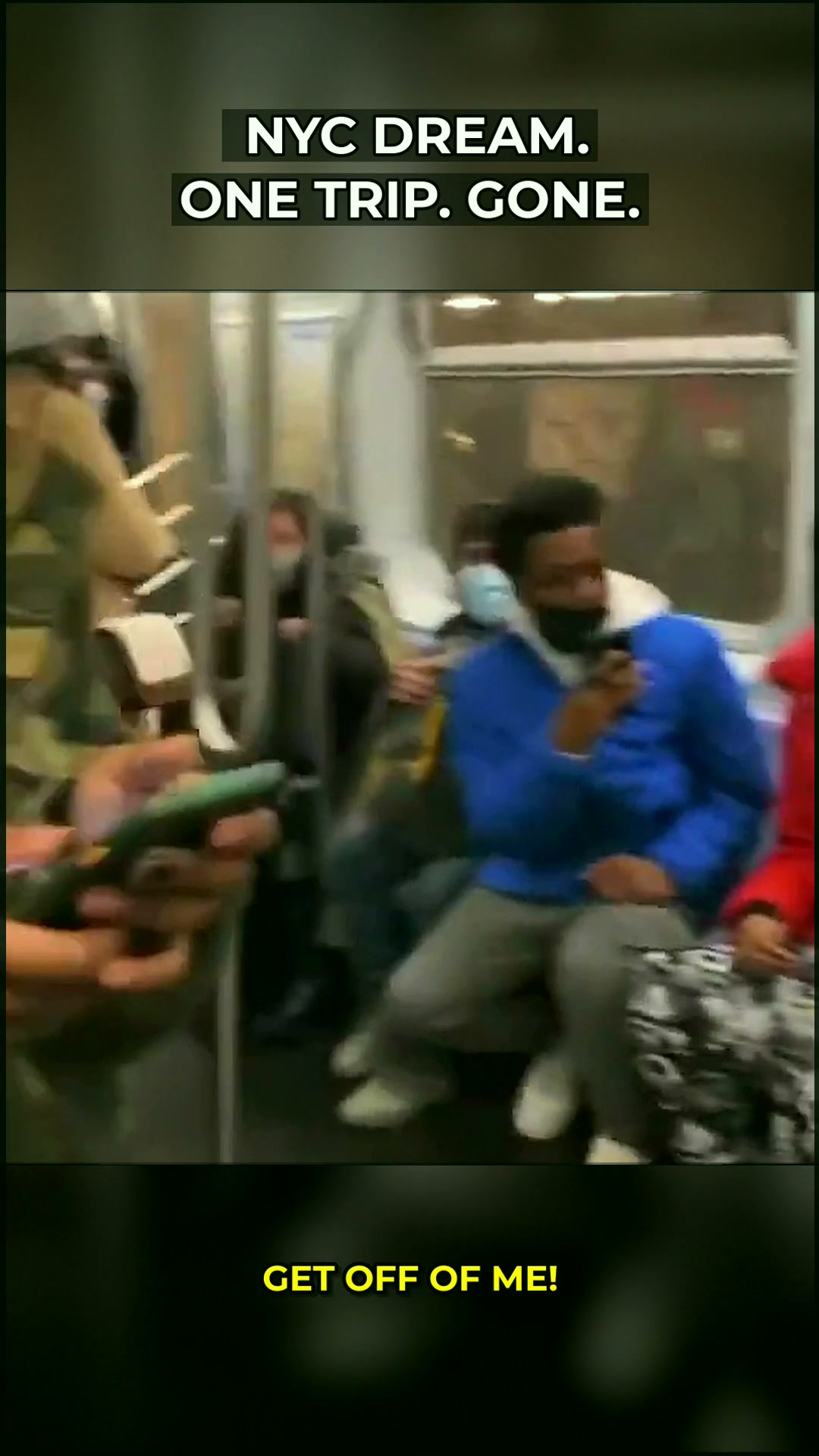
- The video captures a moment of intense, unfiltered emotion inside a moving subway car.
- Witnesses and participants alike express confusion, highlighting the unpredictable nature of public spaces.
- The incident underscores the daily resilience required of commuters navigating shared urban environments.
The train rattles through the tunnel, a metal tube packed with strangers minding their own business. Then, without warning, the silence shatters. A voice cuts through the noise, raw and desperate: “Get the fuck off me! Get me my fucking bag!” Heads snap up. Phones come out. In the span of a heartbeat, a mundane ride home transforms into a live, unscripted drama that no one asked for but no one can ignore.
This is the reality of New York City’s transit system, a pressure cooker where thousands of daily interactions can boil over in an instant. The video, which has ignited conversations online, shows a physical struggle unfolding between passengers. One person is pinned down, yelling about a bag, while another voice—equally frantic—pleads, “What is wrong with you?” The air is thick with confusion and adrenaline.
The Confusion is the Story
The most striking element isn’t the physicality of the moment; it’s the sheer, unfiltered bewilderment. A bystander’s voice becomes the chorus for everyone watching, both on the train and later on screens: “What the fuck is going on on this fucking train? I’m so fucking confused.” It is a sentiment that resonates far beyond the subway car. It speaks to a shared feeling of witnessing something that defies logic, a moment where the rules of polite society evaporate.
In an era where every second can be captured and broadcast, such scenes become part of the city’s living history. They are not just about the individuals involved; they are about the collective experience of being a New Yorker—a person who has seen it all, yet can still be genuinely shocked by the next turn of events. The incident is a stark reminder that in a city of eight million, personal stories collide daily, often with messy, unpredictable results.
“What the fuck is going on on this fucking train? I’m so fucking confused.”
The struggle over the bag suggests a dispute over property, perhaps a case of mistaken identity or an overzealous intervention. Without a clear narrative, the public is left to piece together fragments. This ambiguity is precisely what fuels the viral nature of the clip. It allows every viewer to project their own fears and frustrations onto the scene. Is it a theft gone wrong? A mental health crisis? A case of mistaken identity? The lack of answers creates a vacuum of anxiety.
The Unseen Weight of Public Incidents
For the person on the floor, the experience is visceral. The loss of control, the physical restraint, the public humiliation—these are not abstract concepts. They are the raw ingredients of a traumatic event. The frantic demand for a bag is not just about the object; it is about autonomy and dignity. In that confined space, with strangers hovering, the fight becomes about reclaiming a sense of self.
Meanwhile, the other passengers are thrust into a role they never auditioned for. They are witnesses, accidental jurors, and potential interveners. Their discomfort is palpable. The crowd’s energy shifts from passive indifference to active, tense observation. Some film, some yell, and some likely just pray for the next stop. This dynamic is a microcosm of urban life, where individual crises play out in front of an audience of unwilling participants.
The video is a raw artifact. It lacks the polish of a news report or the context of a documentary. It is just a slice of life, presented without filter. This authenticity is what makes it so compelling. It does not tell us what to think; it merely shows us what happened. And in doing so, it forces us to confront our own reactions. Do we feel sympathy for the person on the ground? Anger at the one doing the restraining? Fear for our own safety?

Why Moments Like This Demand Our Attention
This is not just a story about a fight on a train. It is a story about the fragile social contract that keeps a city functioning. Every day, millions of people agree, implicitly, to follow the rules: stand clear of the closing doors, don’t block the aisle, and keep to yourself. When that contract is broken so violently, it shakes the foundation of our shared security. It is a sobering reminder of why we should always stay aware of our surroundings, not just for our physical safety, but for our emotional preparedness.
The human story here is not about who was right or wrong—we may never know. The human story is about the breaking point. It is about the pressure that builds until it explodes in a public space. It is about the collective shock that follows. It is about the resilience of the commuters who will board the next train, and the next, despite knowing that chaos is always a possibility. They will carry their bags a little tighter, avoid eye contact a little longer, and hope that the next ride is uneventful.
The clip ends as abruptly as it began, leaving the resolution unknown. The argument continues, the confusion persists, and the train hurtles onward. There is no neat ending, no lesson neatly packaged for the audience. There is only the lingering echo of anger and fear, a testament to a moment that will be dissected, shared, and argued about long after the train has reached its final destination.
For those who were there, the memory will fade into the tapestry of strange NYC stories. For those who watched from afar, the question remains: what would you have done? In that split second, when the yelling starts and the bodies tangle, there is no script. There is only instinct. And that, perhaps, is the most terrifying part of all. The next stop is coming, but for the people in that car, the journey has already changed them.