The Unseen Cost of a Blockade: How One Illinois Incident Forced a Reckoning on Accountability and Community Safety
Posted on
Federal agents moved in to clear a path outside an immigration facility, but the aftermath raises tough questions about who pays the price for public chaos and what support exists for the innocent bystanders caught in the middle.
KEY TAKEAWAYS
Law enforcement intervention near Chicago broke up a physical blockade, leading to at least one detention and the use of non-lethal dispersal tools.
The event highlights the thin line between protest and obstruction, with legal consequences that can linger for years.
For residents and local businesses, the chaos disrupts daily life and raises urgent questions about victim rights and community response resources.
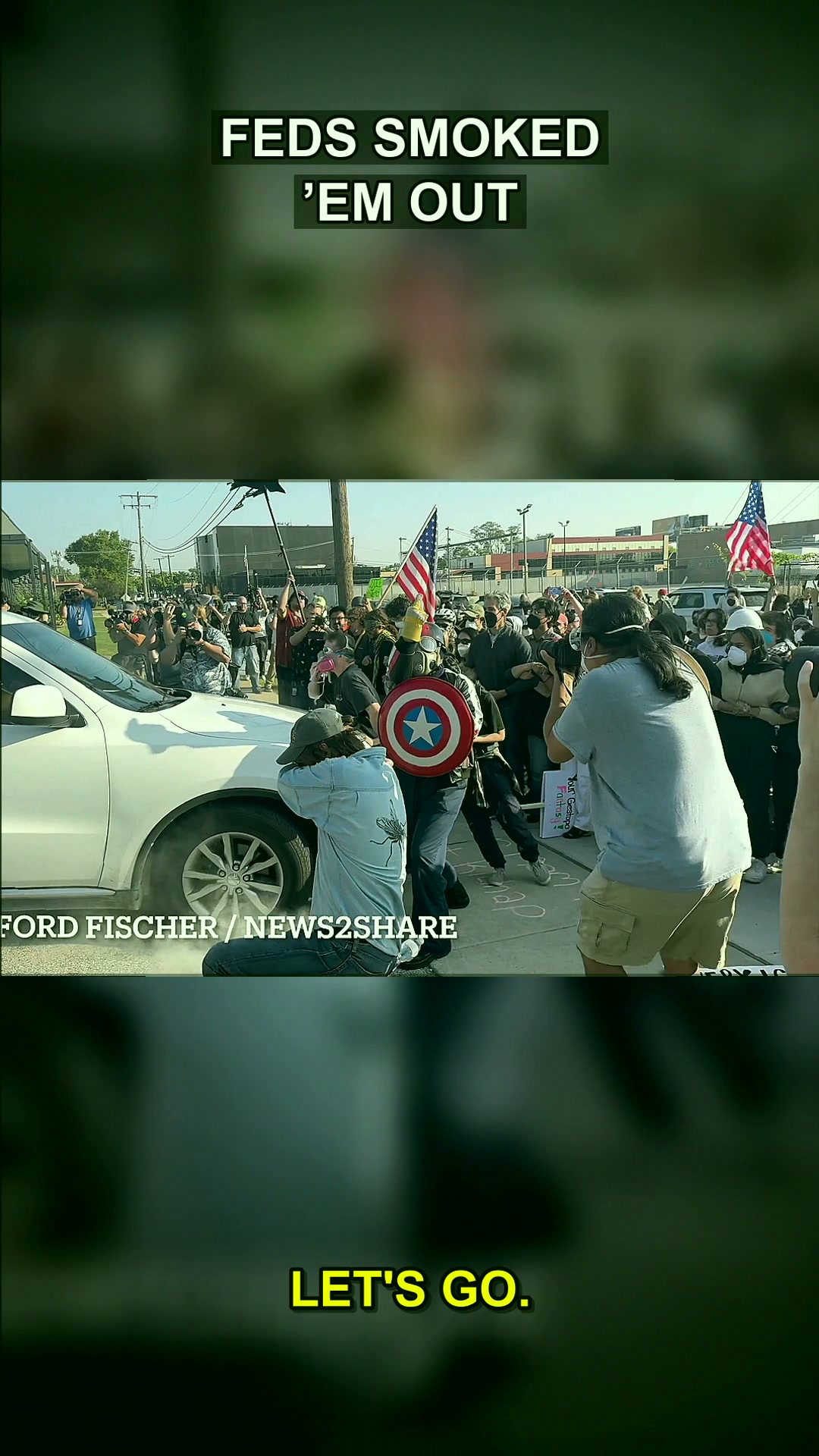
The morning calm outside a federal immigration facility south of Chicago shattered in seconds. One moment, vehicles were supposed to be moving in and out with routine precision. The next, a crowd surged forward, attempting to lock down the entrance with their bodies, turning a public road into a human barricade.
Federal agents on the scene did not hesitate. The order was given, and within minutes, the air filled with the sharp pop of sting balls and the acrid haze of tear gas. At least one person who refused to break rank was taken into custody, their hands bound as the blockade collapsed around them.
This was not a scene from a movie. It was a raw, unedited display of what happens when direct action meets the full weight of federal authority. And while the dust settles, the real story is just beginning for the community left to pick up the pieces.
The Moment of Impact: When Protest Turns to Obstruction
Witnesses describe a chaotic escalation. What might have started as a vocal demonstration morphed into a physical attempt to shut down operations entirely. The distinction between expressing a viewpoint and illegally blocking federal business is not a gray area; it is a hard line that, once crossed, triggers immediate and severe consequences.
Agents deployed standard crowd dispersal tools, not to escalate violence, but to restore lawful order. For the individuals on the ground, the experience was undoubtedly terrifying, a blur of noise, smoke, and forceful commands. But for the agents, the mission was clear: ensure the facility remains accessible for its lawful purpose.
“You cannot volunteer to break the law and then claim victimhood when the system responds. Accountability means understanding that actions have direct, unavoidable consequences.”
This incident is a textbook example for legal analysts. Obstructing a federal facility is not a minor infraction. It carries the weight of potential felony charges, fines, and prison time. The person detained now faces a complex legal journey that could take months or years to resolve.
EDITOR’S NOTE: Federal law treats physical interference with government operations as a direct challenge to public order. The legal process that follows is rigorous, often leaving little room for leniency when evidence of deliberate obstruction is clear.
The Ripple Effect: How Public Chaos Hits Innocent Bystanders
Lost in the noise of the confrontation is the quieter damage done to ordinary people who had nothing to do with the protest. Local businesses near the facility saw their morning rush turn into a lockdown. Commuters faced hours of delays. Families with appointments at the facility were turned away, their important paperwork left unresolved.
These are the silent victims of such actions. They are the ones who lose wages, miss deadlines, and face the stress of rescheduling critical legal matters. They did not choose to be part of a demonstration, yet they bear the financial and emotional brunt of the disruption.
Community resources, already stretched thin, are often the only safety net for these individuals. Local legal aid societies and victim support groups step in to help those who are caught in the crossfire of someone else’s agenda. Understanding these resources is crucial for anyone who feels disenfranchised by events outside their control.
The Legal Precedent: Where Does Justice Land?
The aftermath of this blockade is where the concept of justice truly gets tested. For the individual arrested, the path forward is steep. They will need competent legal representation to navigate charges that could include interfering with a federal officer and civil disobedience. The courts will look at intent, and video evidence of a physical blockade makes a defense of “peaceful protest” difficult to sustain.
But justice is not only about the accused. It is about restoring order for the community and ensuring that federal employees can perform their duties without fear of being trapped or harmed. The legal system provides a mechanism for this restoration, moving through hearings, potential plea agreements, or trial.
“The true measure of a community is not how it handles agreement, but how it handles disobedience. The rule of law is the only thing standing between order and chaos.”
For those watching from the sidelines, the takeaway is stark. The days of treating law enforcement as a prop for social media are over. When the line is crossed, the response is decisive. This is not about politics; it is about the basic function of a society that refuses to let a vocal minority dictate the movement of a federal institution.
As the legal process unfolds, the community is left to reflect on the cost of such actions. The question is no longer about the protest itself, but about the long road to accountability for all parties involved—from the detained individuals to the disrupted families who just wanted to get through their day.
The sting of the tear gas has faded from the streets, but the sting of legal and financial consequences has just begun. For the one in custody, the coming weeks will be a blur of court dates and legal filings. For the community, the memory of a blocked road and a chaotic morning will linger, a sobering reminder of how fragile public order truly is.