The Unseen Price of a Blocked Street: When Urban Disruption Delays Emergency Care
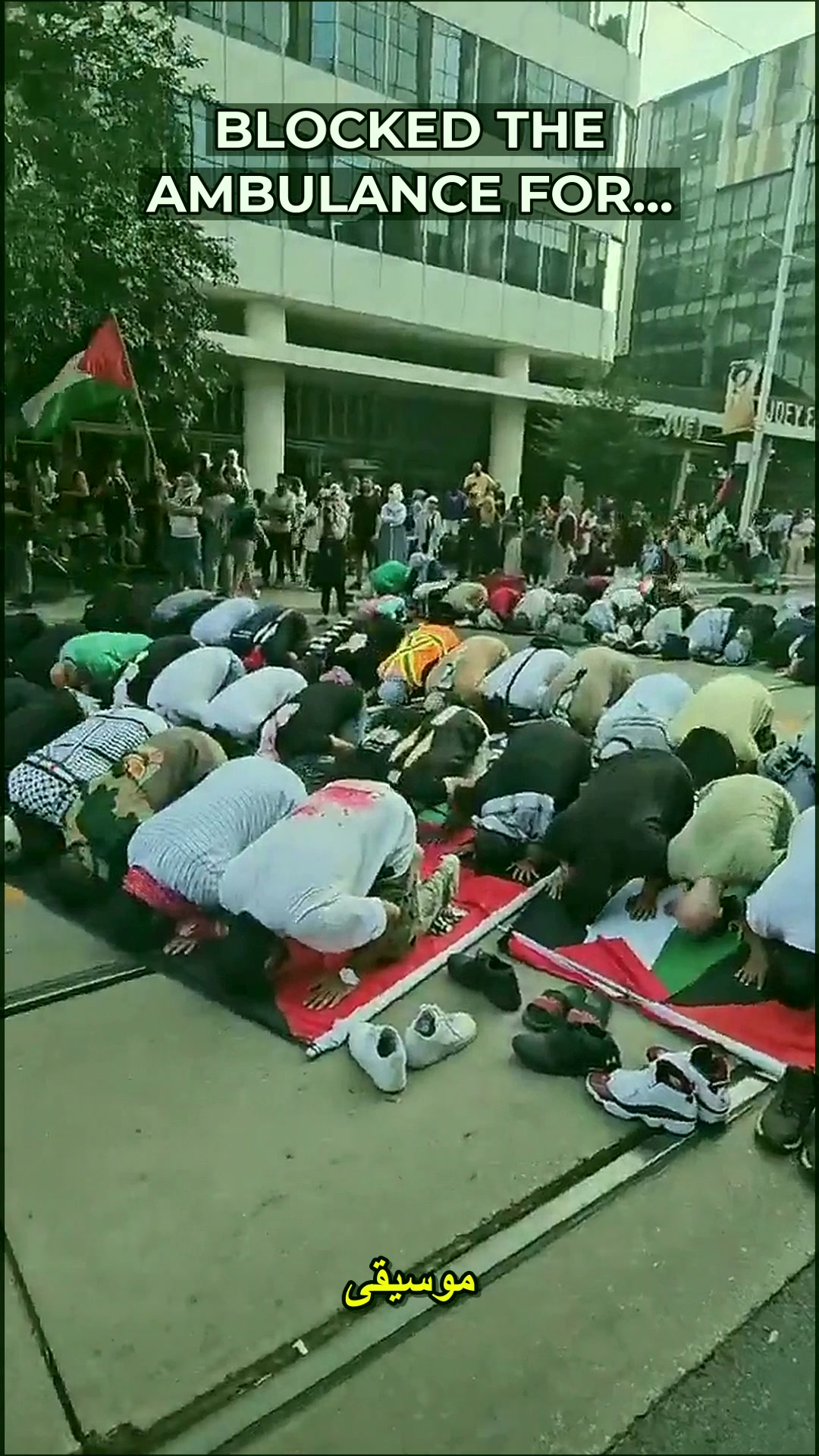
Religious gatherings in public spaces are protected, but what happens when the flow of a city—and access to ambulances—grinds to a halt?
- Congested roadways caused by unsanctioned gatherings can directly delay emergency medical response times, impacting patient survival rates.
- While freedom of worship is absolute, the use of public infrastructure for large events requires permits to ensure safety and access for essential services.
- Every minute an ambulance is stuck in traffic due to an avoidable blockage represents a potential financial and medical cost burden for the patient waiting on the other end.
Picture the scene: you are sitting in the back of an ambulance, chest tight, vision blurring. The paramedics are working frantically, but the vehicle isn’t moving. Outside the window, a sea of people fills the intersection ahead, their backs turned to the blaring siren. This isn’t a scene from a movie; it’s the harsh reality of what happens when a major urban artery is completely blocked by an unsanctioned gathering.
Toronto, a city celebrated for its diversity, finds itself at the center of a heated debate after a large congregation chose the asphalt of a bustling intersection over the dozens of established prayer halls within a short drive. The result? Commuters trapped in gridlock, and more critically, emergency services forced to reroute precious minutes away from those in desperate need.

The Anatomy of a Gridlock Emergency
In the world of emergency medicine, the phrase “golden hour” isn’t just a buzzword. It is the critical sixty-minute window following a traumatic injury where prompt medical treatment is most likely to prevent death. Every single minute of delay in that window increases the risk of complications and long-term health costs exponentially.
When a fire truck or ambulance is blocked on a public road, the ripples are felt far beyond the immediate inconvenience. Hospital staff waiting for a patient who hasn’t arrived yet are running on a clock that doesn’t pause. For the average citizen, this translates into higher insurance premiums, increased tax burdens for emergency infrastructure, and the intangible cost of a community’s safety being compromised.
The frustration isn’t about the act of prayer itself; it is about the logistics of a modern city. It begs a question that makes many uncomfortable: Does the right to public expression outweigh the city’s obligation to keep arteries open for life-saving vehicles?
“We talk about a ‘just in case’ scenario, but when the road is blocked, the ‘just in case’ becomes a ‘too late.’ It’s a matter of public safety, not a matter of opinion.”

The Medical Debt Trap Hidden in Plain Sight
Doctors and financial advisors often warn about the “medical debt trap.” This occurs when a patient survives an emergency but is left with a mountain of bills for the ambulance ride, the ER visit, and the follow-up care. When an emergency response is delayed by congestion, the patient’s condition worsens. A minor issue that could have been treated with a simple procedure becomes a major surgery. A short hospital stay turns into a week in the ICU.
These aren’t just numbers on a spreadsheet; they are the leading cause of bankruptcy filings across North America. When a gathering blocks a street, it isn’t just costing the city money in lost productivity. It is potentially adding thousands of dollars in avoidable medical debt to a family’s life because the response team couldn’t get through the intersection.

Navigating the System: Patient Rights vs. Reality
So, what is the recourse for a patient who suffers because an ambulance was delayed? The legal landscape is murky. Proving causation—that a specific delay directly caused a worse medical outcome—is a legal battleground requiring expert testimony and a mountain of paperwork. For most families, exhausted and overwhelmed by the medical crisis, the fight for accountability is simply too costly to pursue.
Patient advocacy groups argue that the onus is on municipal governments to ensure that proactive measures are in place. This isn’t about restricting religious freedom; it’s about enforcing time, place, and manner restrictions that apply equally to a marathon, a concert, or a protest. When permits are bypassed, the safety net that protects the most vulnerable—those in the back of an ambulance—is torn.
The reality is that common sense and respect for shared infrastructure are the only things preventing these standoffs. The city is a delicate ecosystem of movement. When one part of the system stops, the cost is borne by the person having a heart attack in the lane behind the blockage.
The question remains: in a city of over 100 mosques, why was the street chosen? And more importantly, who is accountable when the system fails the patient who paid the price for that decision? The answer to that second question, for now, remains a terrifying void in the legal system.