The Unpermitted Street Takeover: When Public Gatherings Test the Limits of Order in Chicago
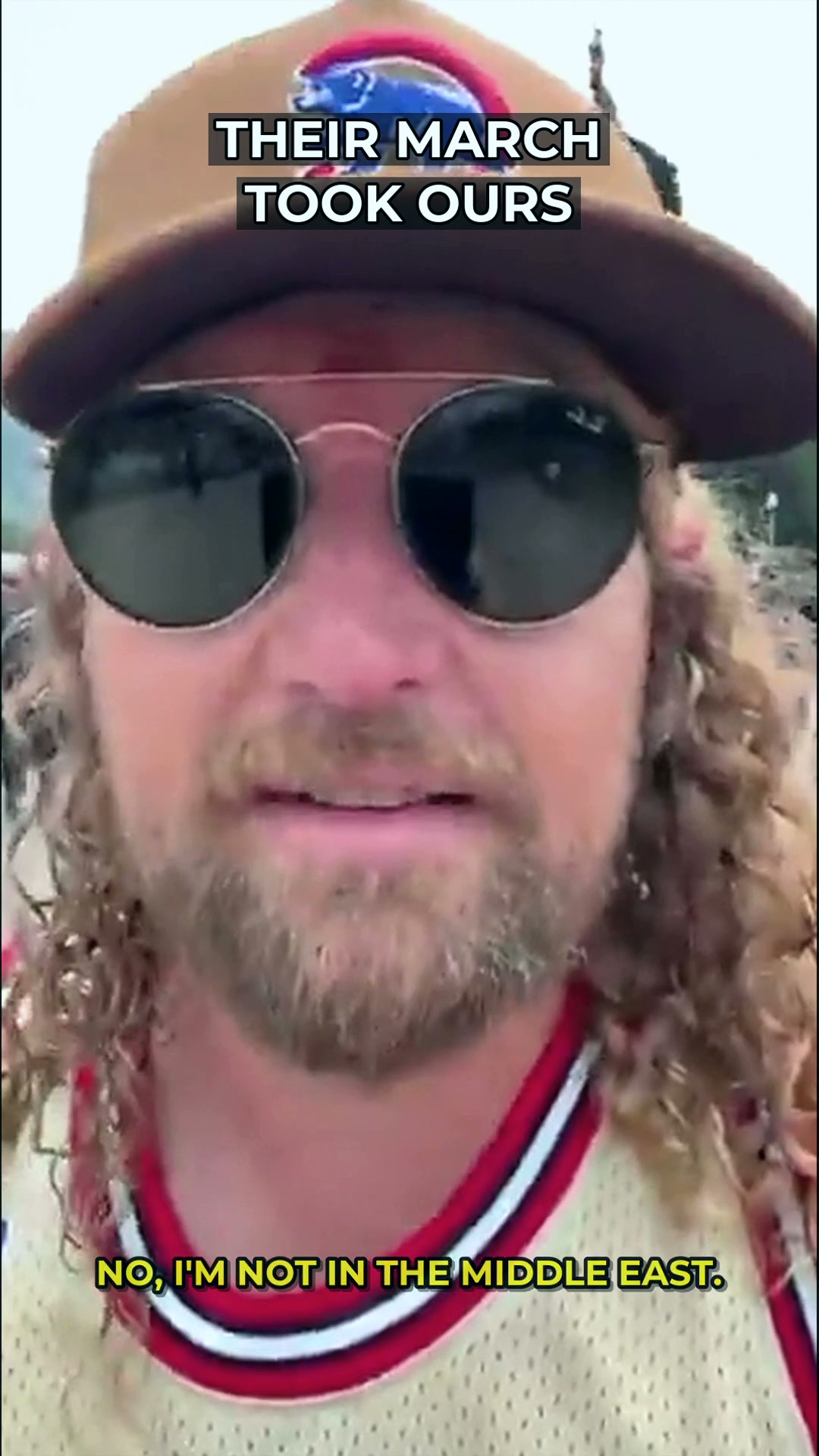
Residents watch as a loud, unsanctioned demonstration takes over a busy corner—raising uncomfortable questions about permits, preferential treatment, and the rules that apply to some but not others.
- City ordinances typically require permits for amplified sound and street closures, yet enforcement appears inconsistent.
- Conflicting public gatherings raise concerns about equal treatment under local laws and the potential for escalation.
- Understanding your local assembly laws is the first step to protecting your own rights to public space.
Imagine standing on a busy Chicago street corner, the city humming with its usual chaos, when suddenly the air is split by a wall of sound. No stage. No barricades. No city-issued permission slip taped to a lamppost. Just a crowd, a microphone, and a message they decided the whole neighborhood was going to hear—whether they liked it or not.
This isn’t a scene from a chaotic city overseas. This is Chicago, Illinois. And the footage, captured by a passerby, shows a large gathering that appears to have materialized out of thin air. No permits. No planning. Just raw, amplified demonstration energy pouring onto a public corner.
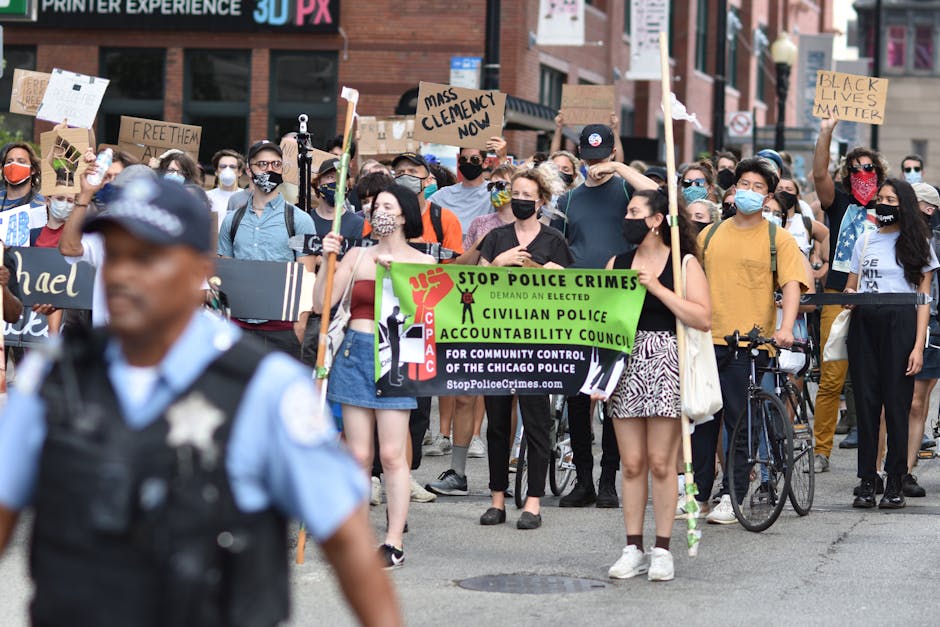
The Scene That Has Locals Talking
The video is jarring not because of the message, but because of the method. The narrator stresses the location repeatedly: Chicago. A major American city where the rules for public assembly are supposed to be clear, codified, and—crucially—enforced equally.
Yet here, the rules seem to bend. The group occupies the space with a confidence that suggests they know something the average resident doesn’t: that the city might look the other way.
It’s a feeling that gnaws at anyone who has ever tried to do things by the book. You know the drill—you apply for the permit, you pay the fee, you wait for approval. You follow the process because that’s what keeps a city of millions from descending into chaos.
So when a group bypasses that entire system—and does so loudly, publicly, and without consequence—it sends a chilling message. It tells everyday citizens that the rules are optional for some and mandatory for others.
“No permits. No planning, they just show up and they’re blasting.”
That single line from the video captures the heart of the frustration. It’s not about the specific faith or the specific message. It’s about the audacity of assuming the public square belongs to you alone.

The Legal Precedent: What the Rules Actually Say
Let’s be clear about one thing: the First Amendment protects the right to assemble peacefully. That right is sacred. But it is not absolute, and it is not without boundaries.
Municipalities across the country, including Chicago, require permits for gatherings that will obstruct traffic, use amplified sound, or occupy a space for an extended period. These rules exist for everyone. They are the great equalizer—the mechanism that ensures a Christian march, a Muslim gathering, a political protest, and a neighborhood block party all play by the same rules.
When one group skips the line, it isn’t just a minor infraction. It’s an erosion of the social contract. It signals that the city’s laws are merely suggestions, and that might—or volume—makes right.
This is where the concept of accountability comes into sharp focus. Without it, resentment festers. Communities that see unequal enforcement begin to distrust not just the groups taking liberties, but the local authorities who allow it to happen.

Why This Matters To You
You might be reading this thinking, “That’s Chicago’s problem, not mine.” But this scene is playing out in cities and towns across the country. The specific players change; the dynamic doesn’t.
It’s the neighbor who hosts a loud party every weekend with no consequences while you got a noise complaint for your barbecue. It’s the business that sets up shop without a license while you paid thousands for yours. It’s the creeping feeling that the system is rigged against the people who follow the rules.
That feeling is corrosive. It undermines the common sense that holds communities together—the unspoken agreement that we all respect the boundaries, because the boundaries protect us all.
What happens when that agreement breaks down? What happens when the corner belongs to whoever shouts loudest?
You don’t need a law degree to know the answer. And you don’t need a permit to see where this road leads.
The video ends without resolution. The crowd is still there, the sound still blasting. And the question hangs in the air, unanswered: who, exactly, is in charge here?