The Ugly Double Standard: When Personal Style Becomes a Public Battleground
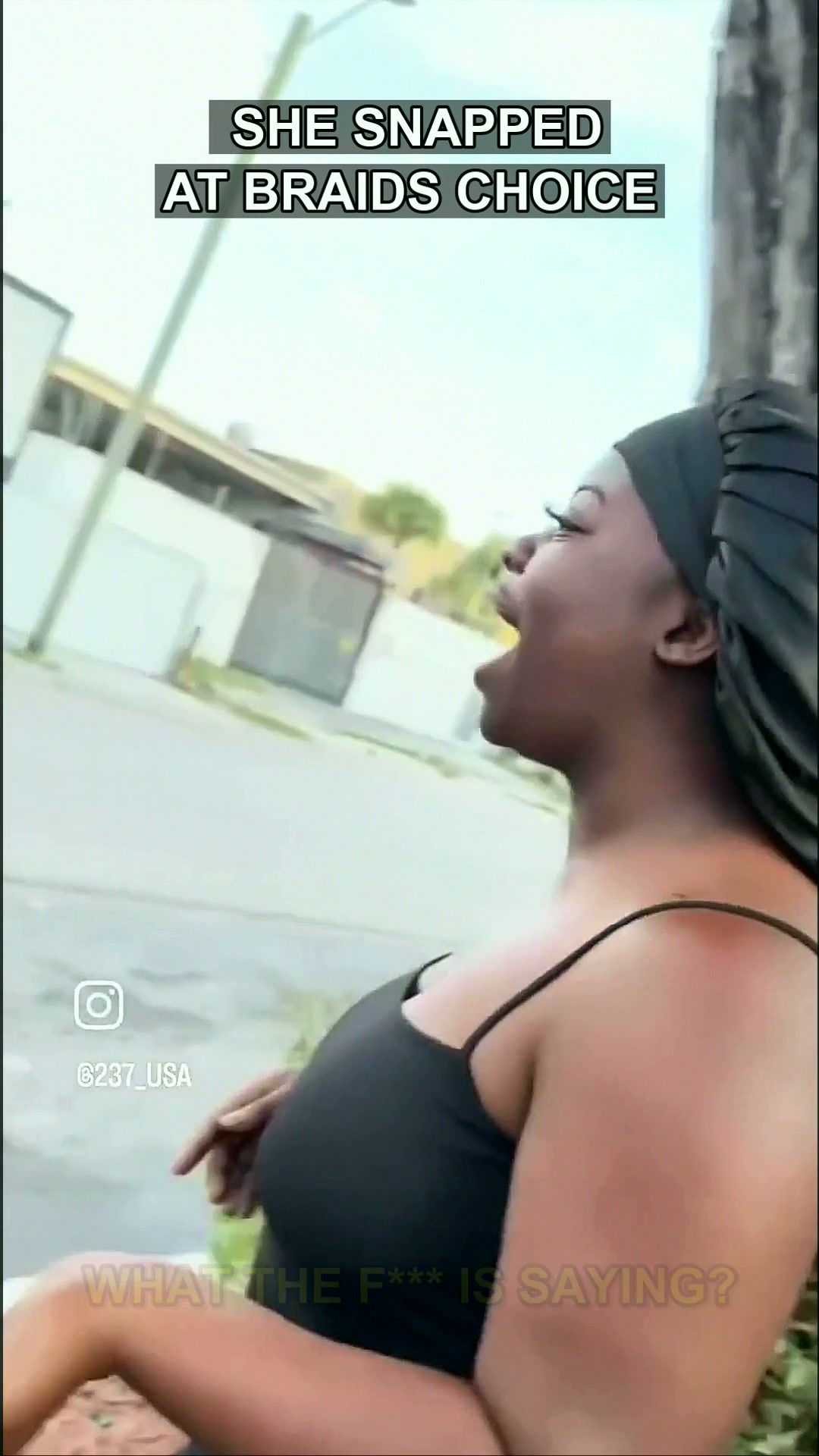
A viral store clash over braids sparks a deeper question—what rights do you actually have when someone tries to police your appearance?
- Workplace dress codes and hair policies are legally risky for employers when they target cultural styles.
- Employees facing appearance-based disputes have more legal protection than they think—but only if they document everything.
- The public debate over braids, locks, and other styles is really about who holds the power to define “professional.”
Picture this: you are standing in a store, minding your own business, when a complete stranger walks up to you and demands you remove your hairstyle. Not because it violates a dress code. Not because you asked for an opinion. Just because she decided your braids are “ugly as fuck” and you need to “take that shit out now.”
That is exactly what happened in a now-viral video that has the internet split down the middle. The footage shows a Black woman confronting a White woman over her braided hair, using language that is as aggressive as it is crude. The White woman, visibly stunned, asks, “What’s your problem?” But the harasser doesn’t back down—she doubles down, repeating her demand like a broken record.
Here is the uncomfortable truth: this is not just a random freak-out. It is a mirror held up to a much larger, uglier pattern in American culture—the selective outrage over who gets to wear what, and who gets to decide if it’s acceptable.
The Real Issue Nobody Wants to Address
Here is what the viral clip misses: the woman in the video is not an employer. She is not HR. She has zero authority over the stranger’s head. But her behavior mirrors a systemic problem that plays out in offices, retail floors, and hiring managers’ offices every single day.
Workplace appearance policies have a long, documented history of targeting Black employees. Natural hairstyles like braids, cornrows, and locks have been banned, ridiculed, and used as grounds for termination. The Crown Act—which stands for “Creating a Respectful and Open World for Natural Hair”—has been enacted in over 20 states specifically to combat this discrimination. Yet the perception persists that these styles are somehow less professional.
“When a style is deemed ‘ugly’ on one person and ‘cultural’ on another, the only consistent variable is the bias of the person judging.”
Now flip the script. When a White woman wears braids, the same style that got Black employees sent home or fired becomes a fashion statement. The outrage in the video is misguided—it targets an individual rather than the system that created this double standard. But the anger underneath it? That anger is real, and it comes from decades of being told your hair is wrong.

Your Rights When Bosses Push Too Far
Here is what every worker needs to understand: if you are fired or disciplined because of your hair—whether you are Black, White, or any other background—you may have legal recourse. The Equal Employment Opportunity Commission (EEOC) has consistently ruled that hair-based discrimination is race-based discrimination when it targets styles associated with a particular racial group.
But there is a catch. The law only protects you if you can prove the policy or action disproportionately harms a protected class. A blanket ban on “messy buns” or “unnatural colors” might pass legal muster. A policy that explicitly or implicitly targets braids, locks, or twists? That is a lawsuit waiting to happen.
For employers, the lesson is simple: your dress code is a legal minefield. For employees, the takeaway is equally clear: document everything. If a manager comments on your hair, write it down. If you are written up for your appearance, save the paperwork. That paper trail is your only defense when the system fails you.

The Legal Precedent
Courts have already weighed in on this issue. In 2016, the 11th Circuit Court of Appeals ruled that banning dreadlocks in the workplace did not constitute discrimination under Title VII—a decision that sparked national outrage and directly led to the Crown Act movement. More recently, a California jury awarded a Black woman $1.5 million after she was told her braids were “not professional” and subsequently lost her job.
These cases send a clear signal: the old rules about what is “professional” are crumbling. But they are only crumbling when someone is brave enough to fight back. The woman in the viral video is not the villain of this story—she is a symptom. The real villain is the arbitrary, inconsistent, and deeply biased way we police appearance in this country.

So what happens now? The video will fade. The outrage will shift to the next controversy. But the underlying tension—over who gets to wear what, who gets to judge, and who gets to enforce those judgments—remains unresolved. And until we have honest conversations about power, privilege, and the ridiculous standards we impose on each other’s bodies, these ugly moments will keep happening.
The braids will stay in. The arguments will continue. And somewhere, a manager is still deciding whether a hairstyle is “professional” enough to keep someone employed.