The Unwritten Rules of Public Space: When Faith, Frustration, and the Law Collide in Sydney
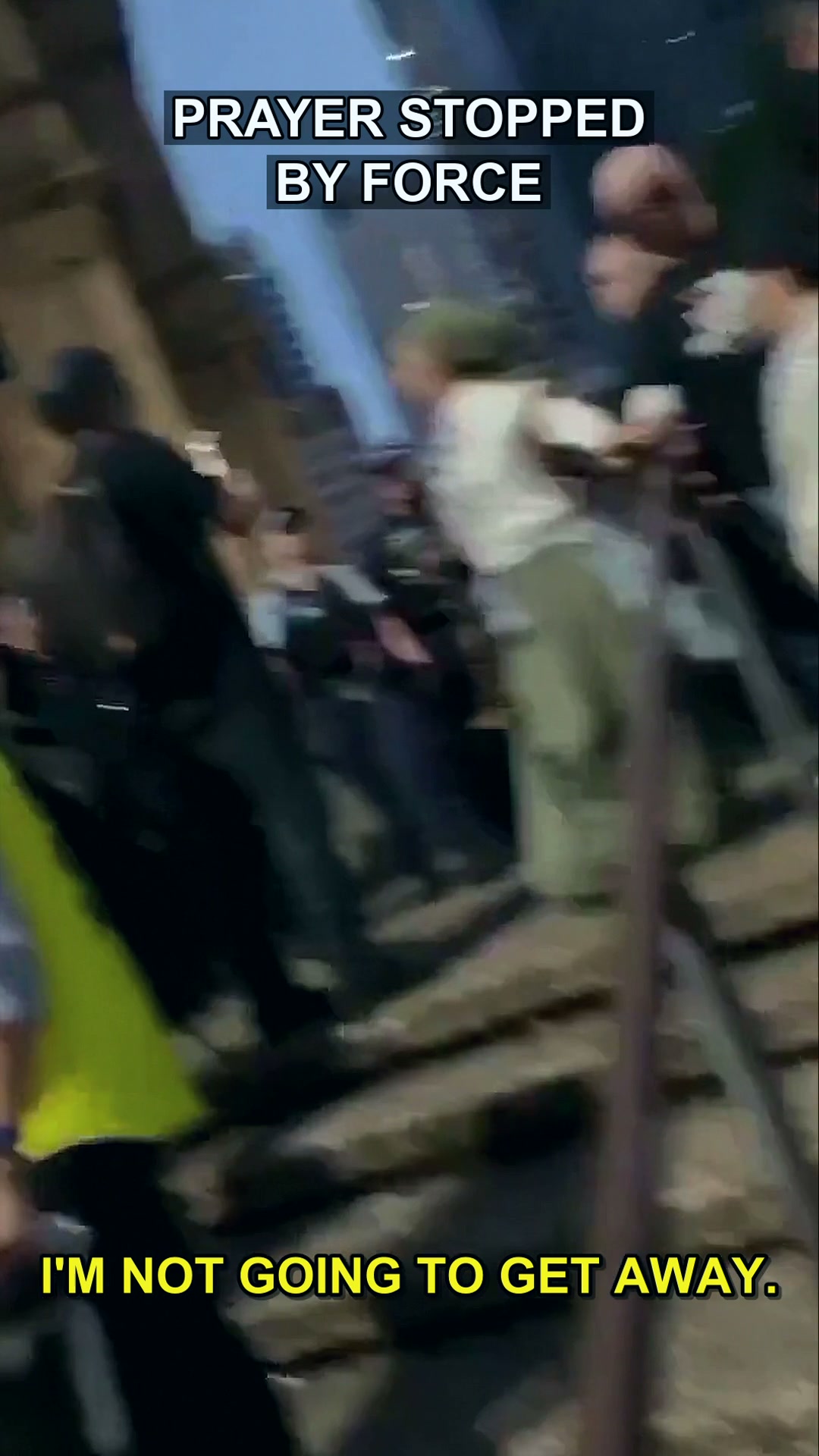
One viral moment on a busy roadway has reignited a fierce debate about respect, order, and what happens when personal conviction meets the letter of the law.
- Public roadways are not designated spaces for private gatherings, regardless of intent.
- The incident highlights the delicate balance between religious freedom and civic responsibility.
- Community accountability relies on transparent legal follow-through, not just viral outrage.
Imagine the chaos of a busy city street. Cars honking, pedestrians rushing, the symphony of urban life. Now, imagine that flow grinding to a sudden halt as a group kneels down, right in the middle of the asphalt, to pray. That is the exact scene that has set social media ablaze, originating from the heart of Sydney, Australia.
The footage, now viewed by millions, shows a group of men bowing in prayer on a public road. A local authority figure approaches, gesturing for them to move to the sidewalk. The tension is palpable. The men refuse, citing their religious duty. The authority insists, citing traffic laws and public safety. It is a classic standoff between the unseen rules of faith and the very visible rules of the state.
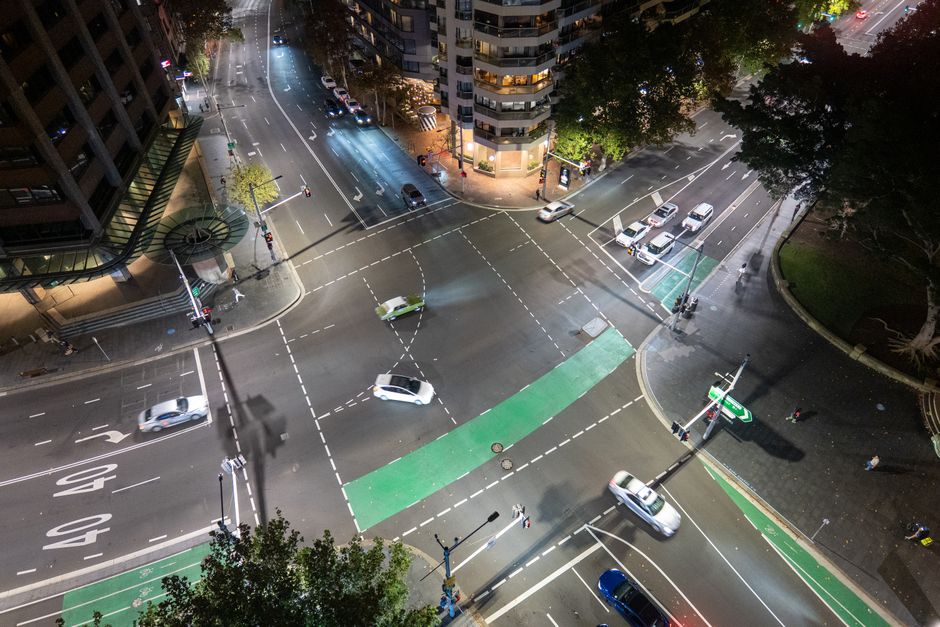
The Core of the Conflict: Public Space vs. Private Devotion
This isn’t just about a prayer. It is about the unspoken social contract we all share. We agree to stop at red lights, walk on the left side of the hallway, and not block the grocery aisle. These are the tiny sacrifices we make for the greater good of order. When a group decides that their personal ritual supersedes the flow of the entire community, it breeds resentment.
For the average Australian watching this unfold, the question isn’t about the existence of God. It is about the existence of common sense. A sidewalk is a place for pedestrians. A park is a place for gatherings. A street is for traffic. The distinction is not complicated; it is a matter of basic respect for shared infrastructure.
The Legal Precedent
Across democratic nations, the law is clear on one point: the right to religious freedom is not absolute. It is subject to “reasonable limitations” that are necessary to protect public safety, order, health, or morals. This is a legal standard enshrined in international human rights covenants, which Australia is a signatory to. Blocking a road is rarely considered a “reasonable” exercise of that freedom when a safe alternative exists just a few feet away.
Legal experts often point to similar cases where protests or gatherings have been moved from roadways to designated areas. The principle is simple: your rights end where the public’s ability to move freely begins. The authority figure on the scene was not infringing on the right to pray; they were enforcing the right of the public to use the road as intended.

The Road to Accountability
What happens after the cameras stop rolling? This is where the true measure of a community lies. The viral clip ends with the group moving on, but the consequences are just beginning. For the individuals involved, the incident serves as a public record. For the authorities, it is a test of their ability to enforce rules without escalating tension.
The real accountability here is not about punishment. It is about the conversation that follows. Are there designated spaces for such gatherings? Could the community leaders have communicated better? The silence from the group involved is deafening. There has been no public statement of apology for the disruption, nor an explanation as to why a nearby mosque or park was not used.
“This is exactly why our community needs to stay vigilant. If we allow one group to block a road for a prayer, we set a precedent that anyone can block a road for any reason. That is not a society; that is a jungle.”
The frustration from the public is palpable. Many are asking why a group of men cannot see the logic of moving two meters to the left to continue their worship without inconveniencing thousands. The answer, perhaps, lies in a rigid interpretation of faith that ignores the practical realities of a secular world. But the law does not bend to rigidity.
For the local authorities, the follow-through is critical. The incident must be documented, reviewed, and, if necessary, addressed through proper channels to ensure it does not become a weekly occurrence. This is the unglamorous work of justice—ensuring that a single moment of disruption does not become a permanent fixture of the urban landscape.

What Justice Looks Like
Justice in this scenario is not about retribution. It is about clarity. The community needs to hear from the local council or religious leaders to clarify the rules of engagement for public gatherings. There must be a clear, public statement that roadways are for traffic, and that while faith is respected, it must be practiced in appropriate venues.
Victim support in this case extends to the commuters and residents who were delayed and disrespected. Their time is valuable. Their right to a functioning city is paramount. The system works when it protects the majority from the disruption of the few, while still allowing the few to practice their beliefs in a safe, legal manner.
The silence from the group is the loudest part of this story. An apology for the disruption, or even a simple explanation, would go a long way toward healing the divide. Without that, the resentment will fester, and the next time this happens, the public reaction may not be as polite as the authority figure in the video.
The video ends, but the question remains unresolved. Will the group return to the street next Friday? Or will the quiet hand of accountability guide them to a more appropriate location? The answer lies in the unseen decisions made in the coming days, far from the glare of the camera lens. The community watches, waits, and holds its breath. The next move will determine whether this was an isolated lapse in judgment or a worrying new pattern.